Benjamin Franklin — "A man of words and not of deeds, is like a garden full of weeds."
A man of words and not of deeds, is like a garden full of weeds.
A man of words and not of deeds, is like a garden full of weeds.
Click any product to generate a realistic preview. Up to 3 at a time.
* Initial load can take up to 90 seconds — revising the preview in another color is nearly instant.
"Half a truth is often a great lie."
"I should have no objection to a repetition of the same life from its beginning, only asking the advantages authors have in a second edition to correct some faults of the first."
"By failing to prepare, you are preparing to fail."
"Never ruin an apology with an excuse."
"Justice will not be served until those who are unaffected are as outraged as those who are."
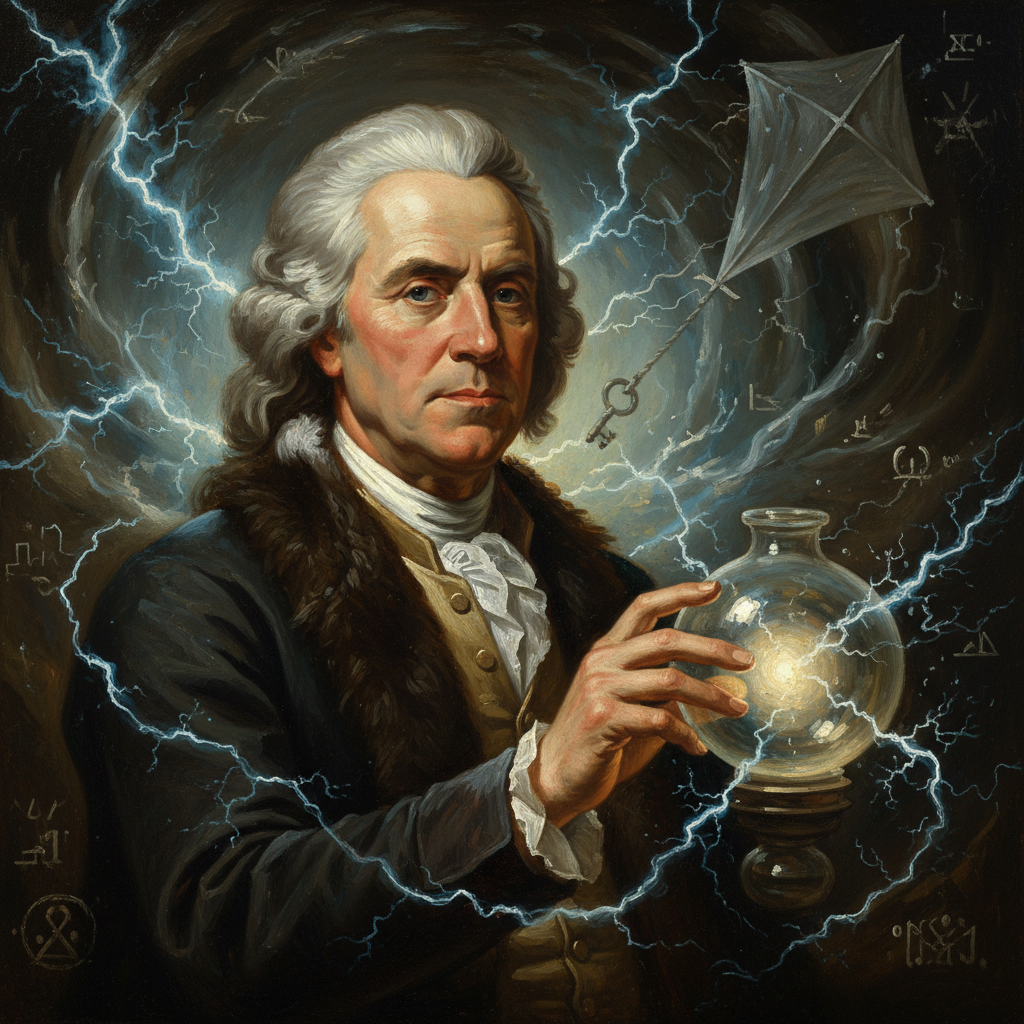
Polymath Founding Father, diplomat, and Poor Richard's Almanack author who helped draft the Declaration of Independence and the Constitution. Closely associated with John Adams (fellow Founder, Massachusetts statesman) and Thomas Jefferson (fellow Declaration drafter). For an intellectual contrast, see Thomas Hutchinson, last royal governor of colonial Massachusetts — Franklin leaked Hutchinson's loyalist correspondence to Boston in 1772 to inflame revolutionary sentiment — Hutchinson represented the colonial-aristocrat crown-loyalty that Franklin's revolution was organized to dismantle.
Found in 1 providers: gemini
1 source checked
Talking without acting is worthless. Someone who makes plans, promises, or speeches but never follows through produces nothing useful — just like a garden choked with weeds instead of food or flowers. True value comes from doing, not merely saying. Words without action are noise that crowds out real progress and leaves nothing of substance behind.
Franklin embodied relentless productivity — he invented the lightning rod, bifocals, and the Franklin stove, founded libraries and fire departments, and negotiated the French alliance that won American independence. He famously filled Poor Richard's Almanack with proverbs urging practical action. A self-made man who rose from printer's apprentice to statesman, he had zero patience for idle talkers.
Colonial America demanded tangible contribution — survival required clearing land, building homes, and feeding communities. The Enlightenment prized reason expressed through practical improvement, not abstract theorizing. Franklin's era celebrated 'useful knowledge.' Political independence itself required men willing to act on dangerous convictions, not just voice grievances. Empty rhetoric from politicians and preachers was a recognized social problem Franklin consistently mocked.
AI-generated insights based on extensive research and information for context. Factual errors? Email [email protected].
Your cart is empty