What it means
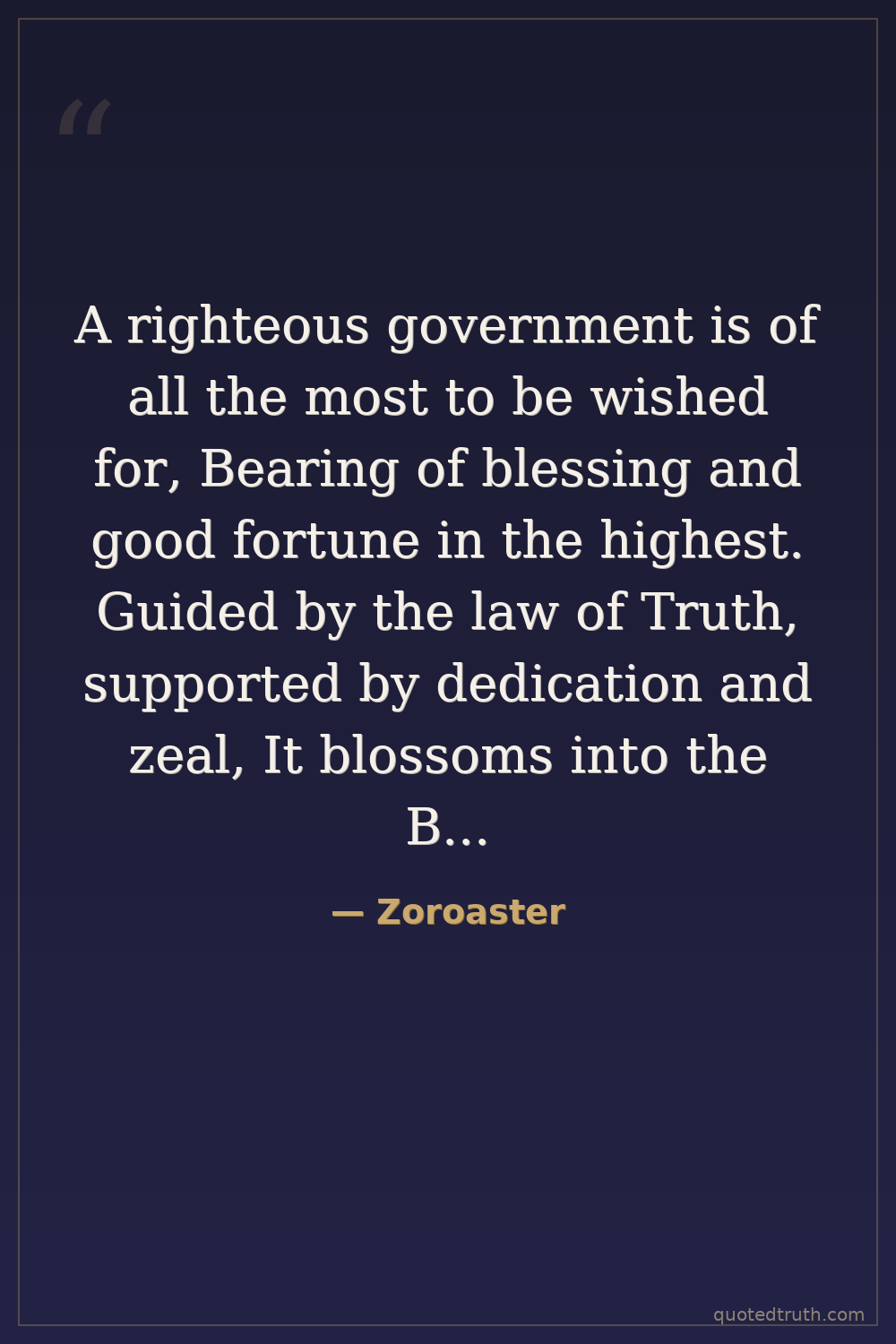
Good governance is the most valuable thing a society can pursue because it produces widespread prosperity and wellbeing. When leaders govern by honesty rather than self-interest, backed by committed citizens willing to put in real effort, the result is an ideal, harmonious society. The speaker personally commits to spending the rest of his life working toward that goal, treating political and moral reform as a lifelong duty rather than an abstract ideal.
Relevance to Zoroaster
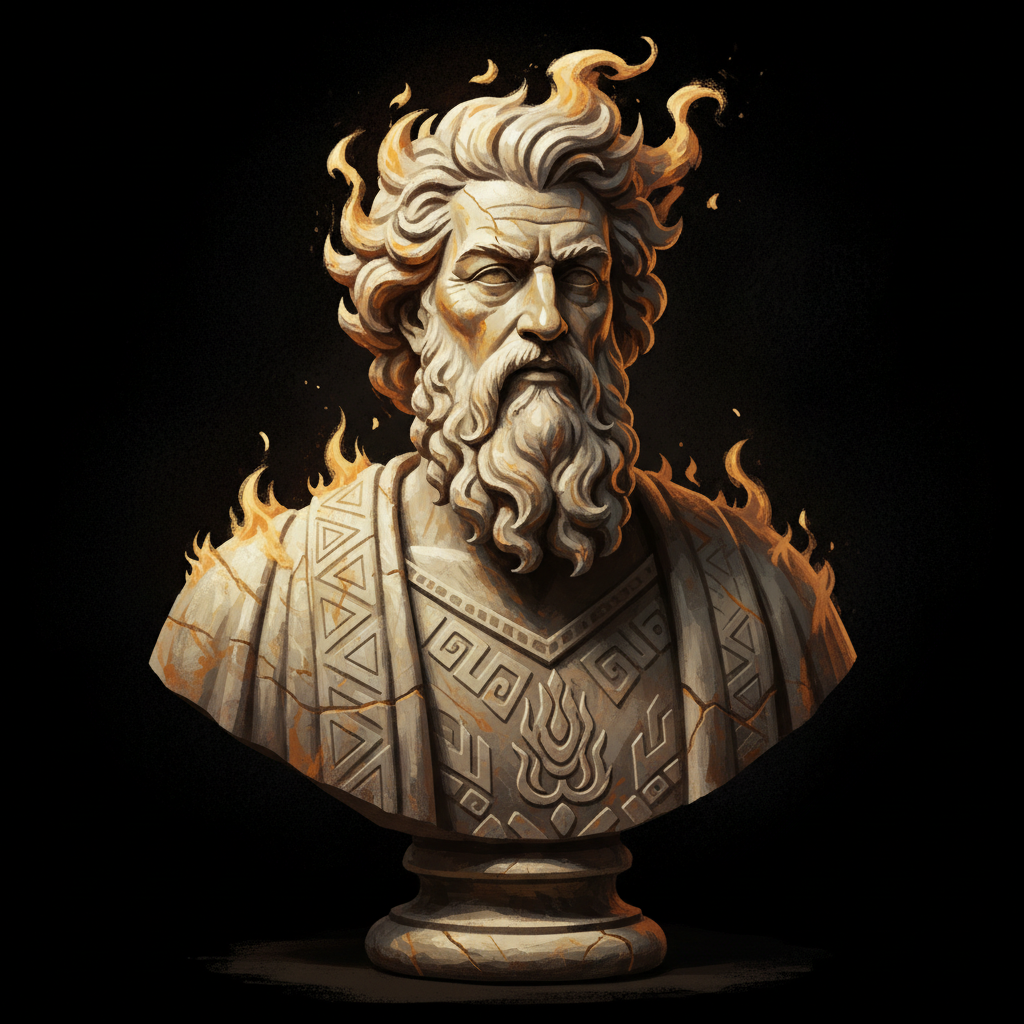
Zoroaster framed ethics as a cosmic battle between Asha (Truth/Order) and Druj (the Lie), and this quote puts that dualism into political terms. As a reforming priest-prophet who rejected the chaotic, blood-sacrifice polytheism of his tribal society, he taught that humans were active partners with Ahura Mazda in building a just world. His personal vow to 'work now and ever more' mirrors his real-life mission preaching for years before winning King Vishtaspa's patronage.
The era
Zoroaster lived in Bronze/early Iron Age Iran (roughly 1500–1000 BCE), among semi-nomadic Indo-Iranian tribes ruled by warrior chieftains and priests who legitimized cattle-raiding and ecstatic sacrifice. Kingship was tribal and often predatory, with no concept of a moral state. Proposing that a government should be judged by Truth and righteousness, and tying salvation to civic order rather than ritual, was radical; it later shaped Achaemenid Persian ideals of just rule under Cyrus and Darius.
AI-generated insights based on extensive research and information for context. Factual errors? Email [email protected].