What it means
Franklin argues marriage is humanity's natural condition—not mere social convention but essential to wholeness. A bachelor, however capable alone, remains like a single scissor blade: functional in theory but nearly useless without its pair. The quote frames partnership as completing a person and multiplying their effectiveness. It's a pragmatic, even mechanical take on love—about utility and completeness rather than romance or sentiment.
Relevance to Benjamin Franklin
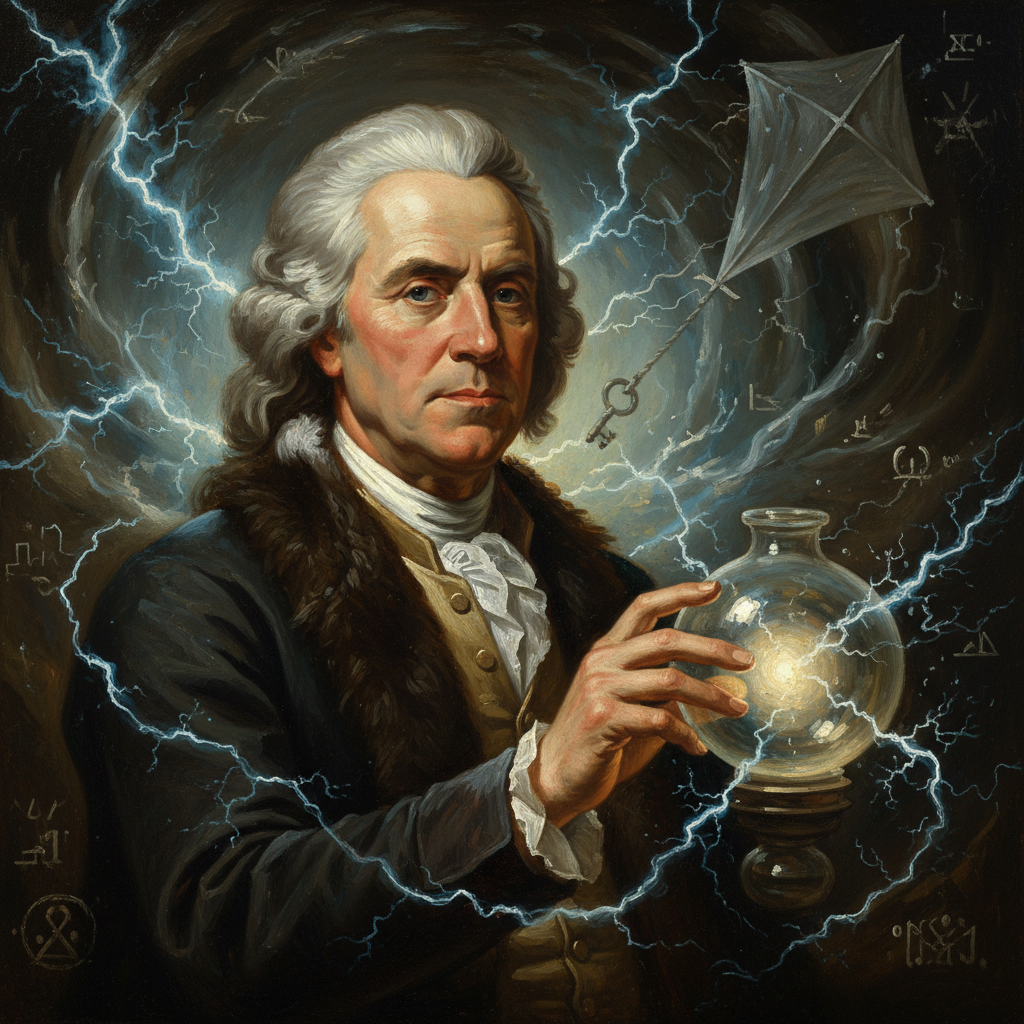
The scissors metaphor is quintessentially Franklinian—grounding emotion in a concrete, mechanical image. Franklin married Deborah Read in 1730 and relied heavily on her to manage his print shop during his long absences abroad. Known for Poor Richard's Almanack, he consistently framed life choices through practicality and utility. The quote reflects his core belief: people, like tools, perform best when properly paired and purposefully applied.
The era
In 18th-century colonial America, marriage was fundamentally an economic institution as much as a romantic one. Some colonies taxed bachelors, viewing unmarried men as social liabilities. Household survival depended on divided labor—men and women filling complementary roles. Life expectancy was short, children essential to family labor, and social standing tied to family formation. Franklin's framing of marriage as practical completion perfectly matched an era where partnership was a survival strategy.
AI-generated insights based on extensive research and information for context. Factual errors? Email [email protected].