What it means
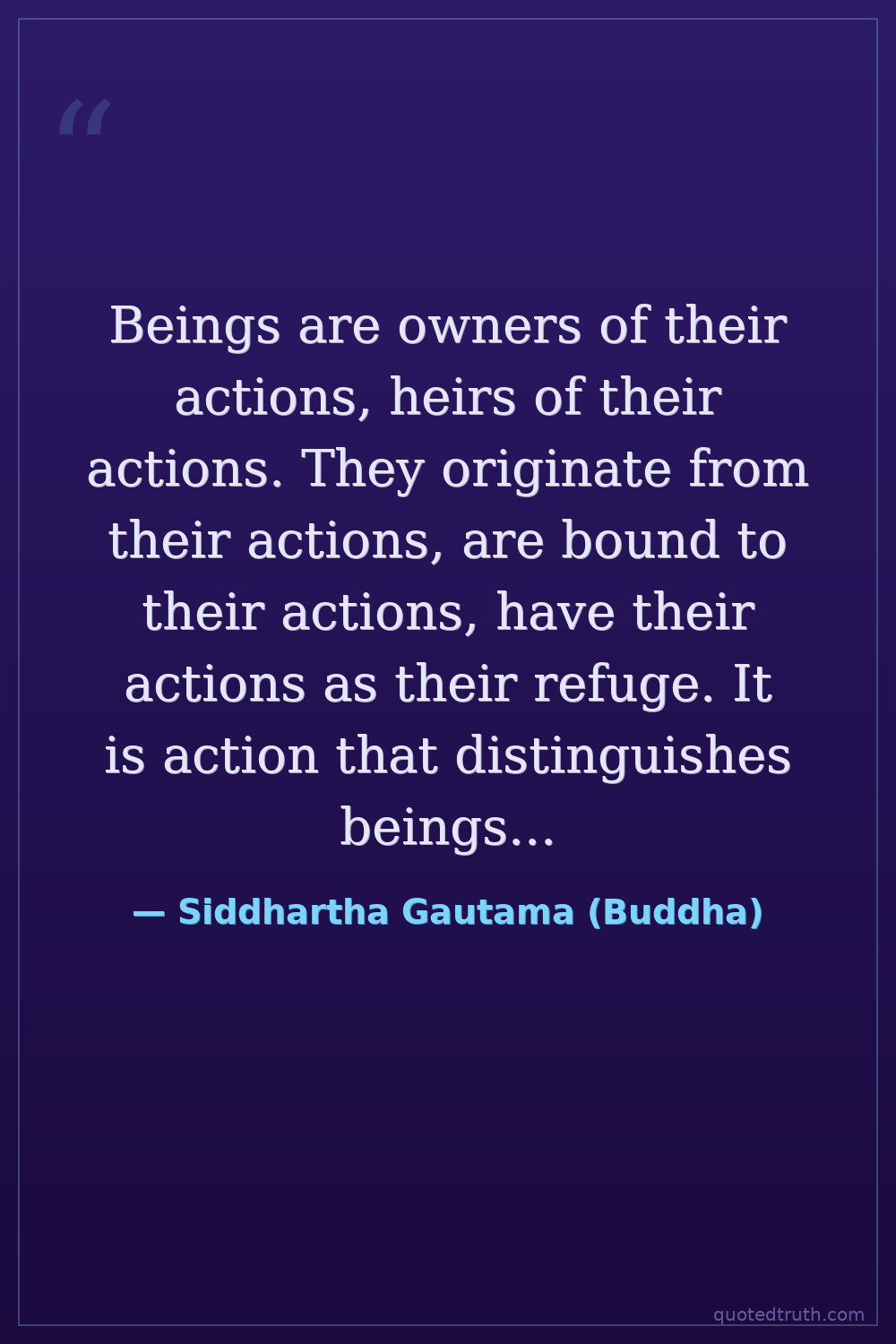
Your choices define who you are. Every action you take belongs to you, shapes your future, and follows you wherever you go. You cannot inherit virtue from family, buy status through wealth, or escape consequences through privilege. What separates a good person from a bad one is not birth, caste, or luck, but the sum of what they actually do. Actions are the only true measure of a person's worth.
Relevance to Siddhartha Gautama (Buddha)
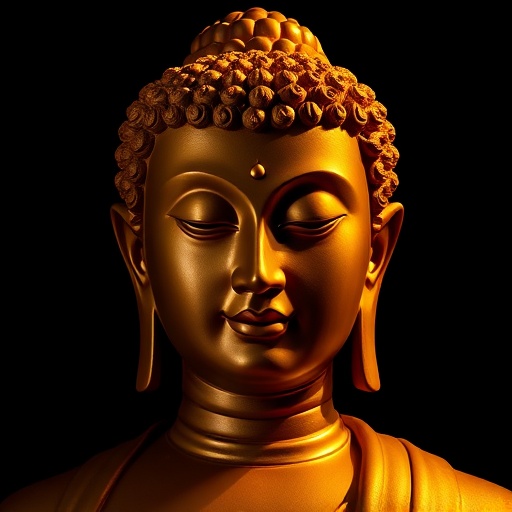
Buddha abandoned royal privilege as a Shakya prince to seek truth, directly rejecting the idea that birth determined worth. This teaching is central to his doctrine of karma, which he reframed from ritual action into ethical intention. By declaring action the true distinguisher of beings, he challenged the Brahmin priesthood's claim that caste birth determined spiritual status, making liberation accessible to anyone regardless of background through disciplined moral conduct.
The era
In 5th-century BCE India, the rigid Vedic caste system taught that birth into Brahmin, Kshatriya, Vaishya, or Shudra varnas fixed one's spiritual rank. Brahmin priests monopolized ritual access to the divine, and karma was understood ritualistically. The Shramana movement, including Buddha and Mahavira, challenged this hierarchy. By grounding superiority in action rather than lineage, Buddha's teaching was radically egalitarian, opening his sangha to outcastes, women, and foreigners alike.
AI-generated insights based on extensive research and information for context. Factual errors? Email [email protected].