What it means
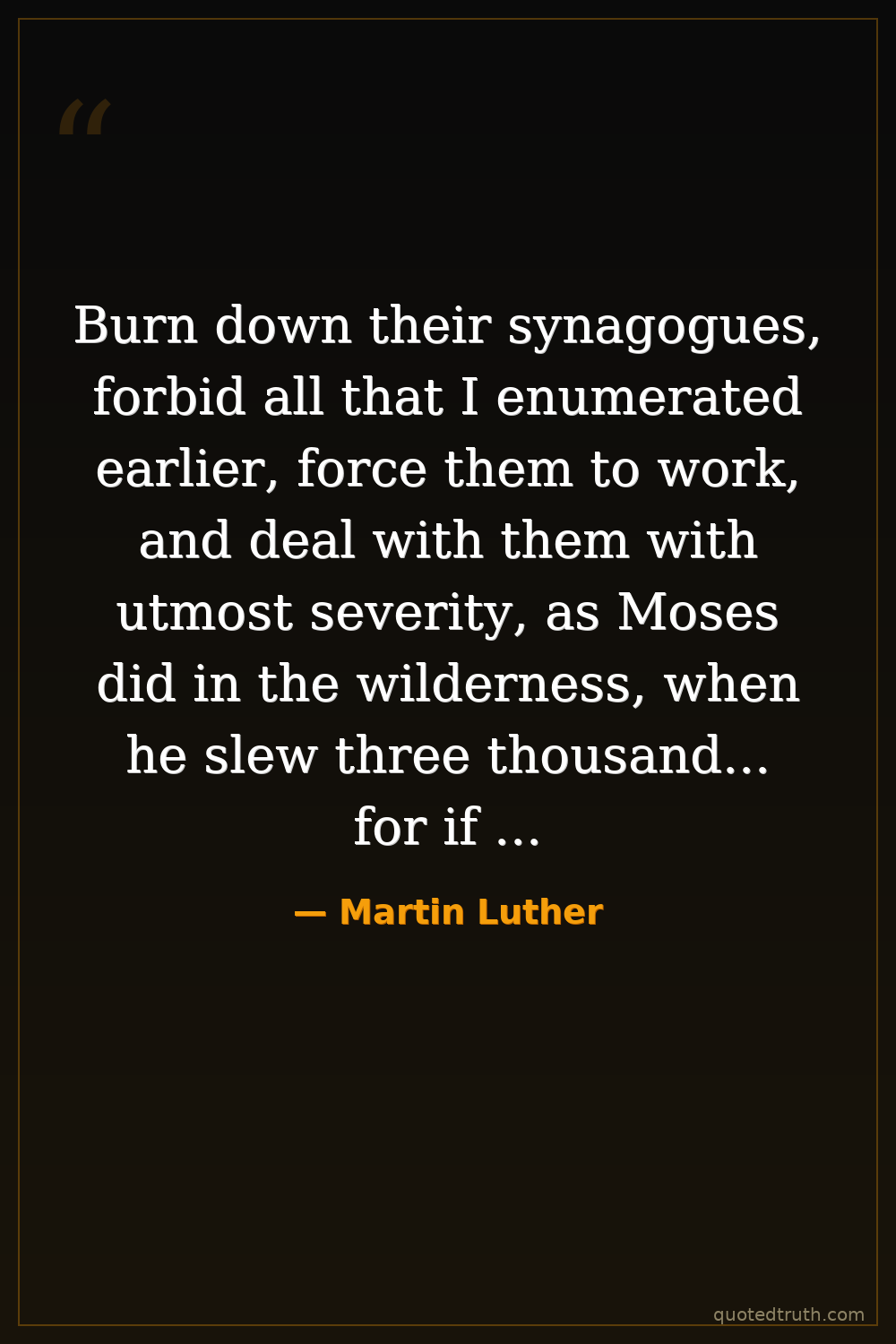
This passage calls for violent, state-enforced persecution of Jewish people: destroying their places of worship, banning their religious practices, forcing them into hard labor, and punishing them harshly. The speaker invokes a biblical massacre as justification, arguing that failing to take such brutal action makes bystanders morally complicit in what he frames as Jewish wrongdoing. It is an explicit incitement to collective punishment grounded in religious rationalization.
Relevance to Martin Luther
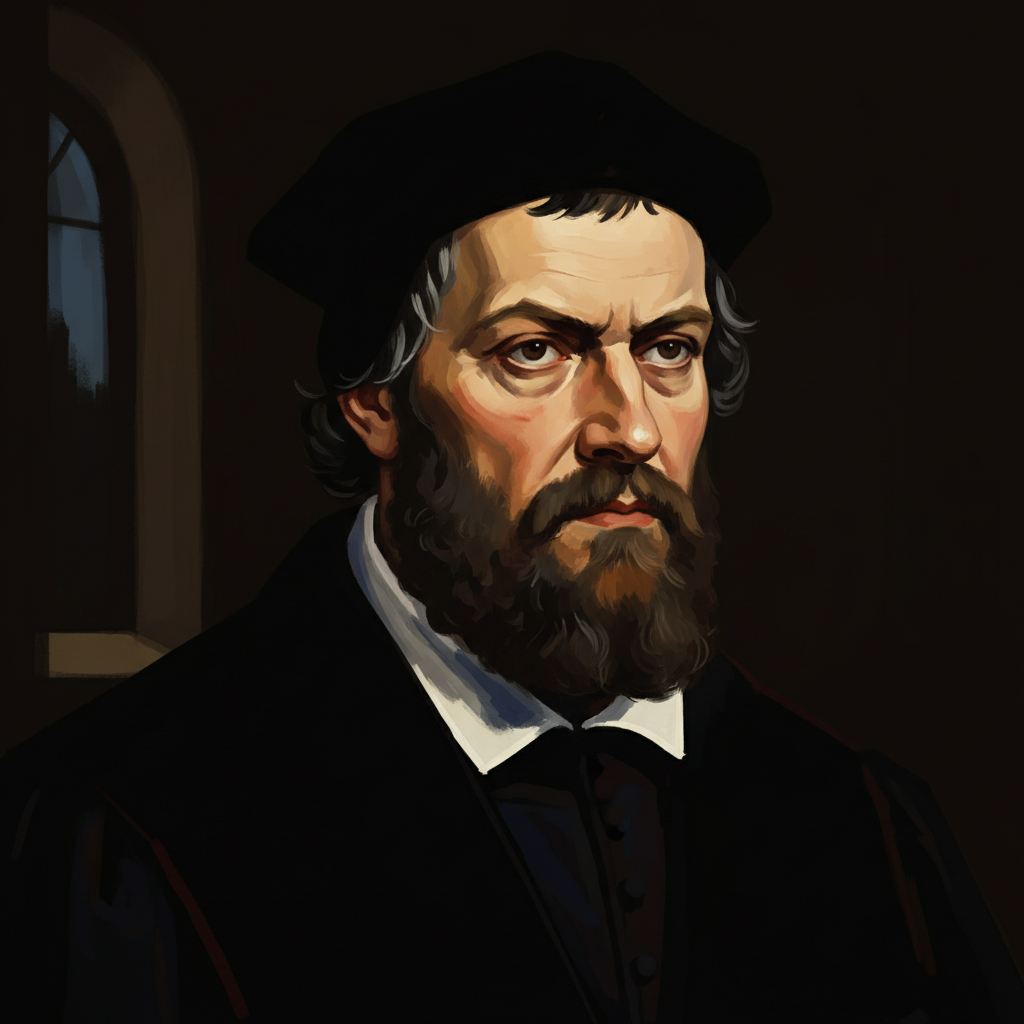
Luther wrote this in his 1543 treatise On the Jews and Their Lies, late in life after Jewish communities rejected his expectation that Reformation theology would convert them. Though celebrated for challenging papal authority and translating the Bible into German, Luther's antisemitic writings became a darker part of his legacy, later weaponized by Nazi propagandists. It reveals how his combative polemical style extended beyond Rome to religious minorities.
The era
Early modern Europe was convulsed by the Reformation Luther launched in 1517, fracturing Western Christianity and fueling confessional violence. Jewish communities lived precariously under expulsion edicts, ghettoization, and blood libel accusations across German lands. Religious identity was inseparable from political authority, and dissent was often met with force. Luther's 1543 tract appeared as aging reformers hardened positions, and German princes increasingly used his writings to justify expelling Jews from their territories.
AI-generated insights based on extensive research and information for context. Factual errors? Email [email protected].