What it means
Electrical energy exists naturally throughout the environment in vast, untapped abundance. If properly harnessed, it could power all human industry and transportation without burning coal, oil, or gas. Nature itself provides limitless power—humanity simply needs the right technology to capture and distribute it. This vision anticipates modern renewable energy thinking and the urgent drive to eliminate dependence on finite, polluting fossil fuels before they run out.
Relevance to Nikola Tesla
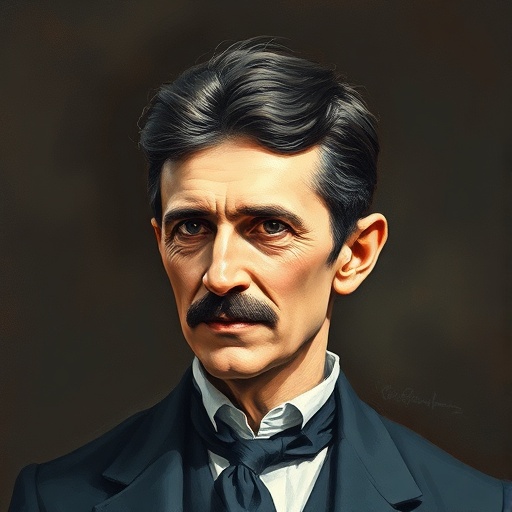
Tesla devoted his later career to proving this vision achievable. His Wardenclyffe Tower project aimed to transmit electrical power wirelessly across the globe using the Earth's own conductivity. He believed electricity was a natural force as inexhaustible as sunlight. His AC system democratized electrical distribution, yet he consistently prioritized humanity's long-term energy freedom over commercial profit, a conviction that ultimately drove him to financial ruin.
The era
Tesla lived during the height of the fossil fuel age—coal powered factories, steam engines, and early electrical plants. Oil was becoming a dominant industrial force, with monopolies like Standard Oil controlling energy supply chains. The idea that ambient electrical energy could replace all of this was radical. Meanwhile, rapid electrification made Tesla's vision feel both urgent and plausible to those witnessing electricity transform everyday life.
AI-generated insights based on extensive research and information for context. Factual errors? Email [email protected].