What it means
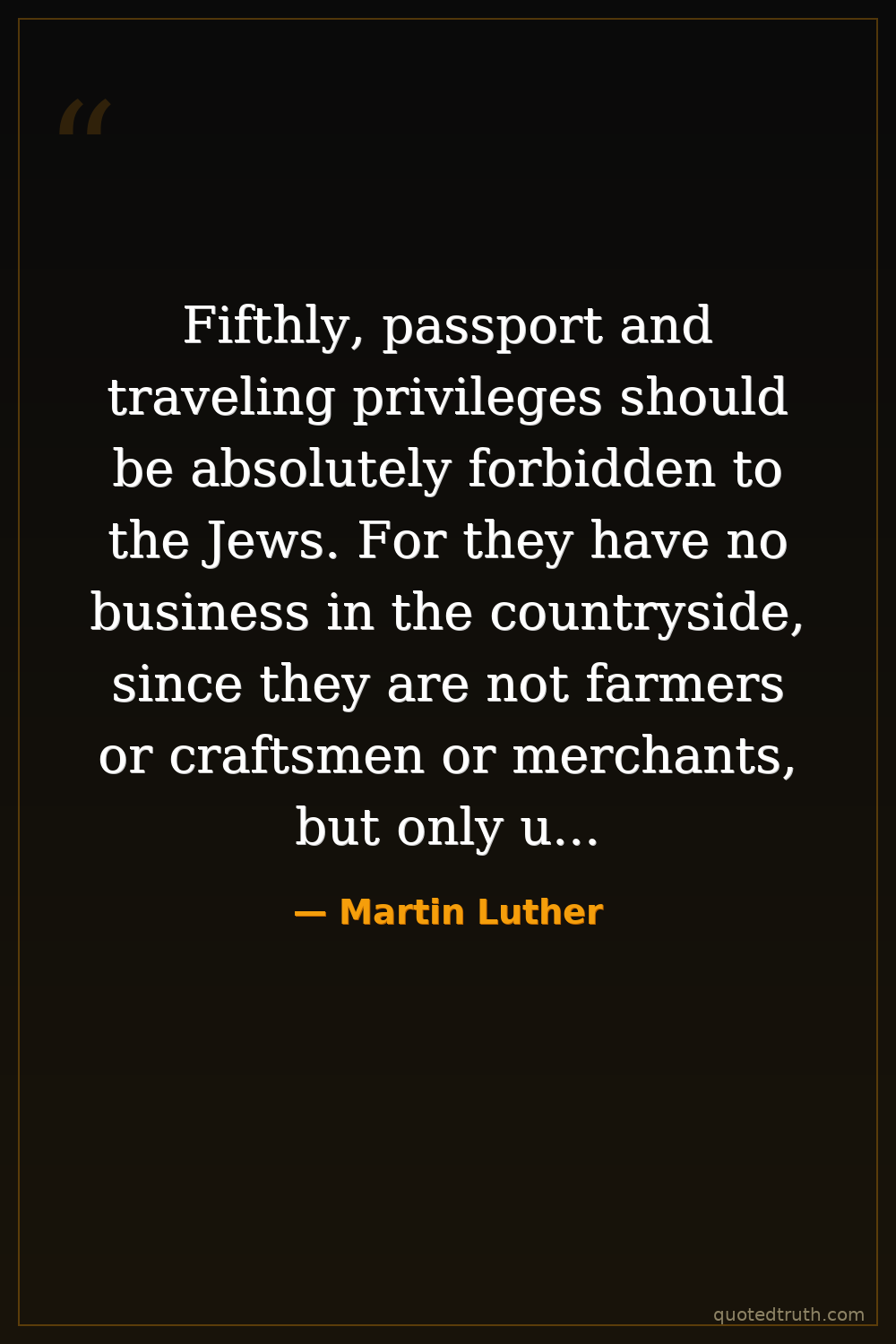
The speaker demands that Jews be banned from travel and denied passports. He claims they contribute nothing useful to rural economies because they are not farmers, artisans, or legitimate traders, only moneylenders charging interest. Therefore, he argues, they should be confined to their homes. It is a call for forced restriction of movement rooted in economic stereotyping and religious hostility, treating an entire people as parasitic and undeserving of free participation in society.
Relevance to Martin Luther
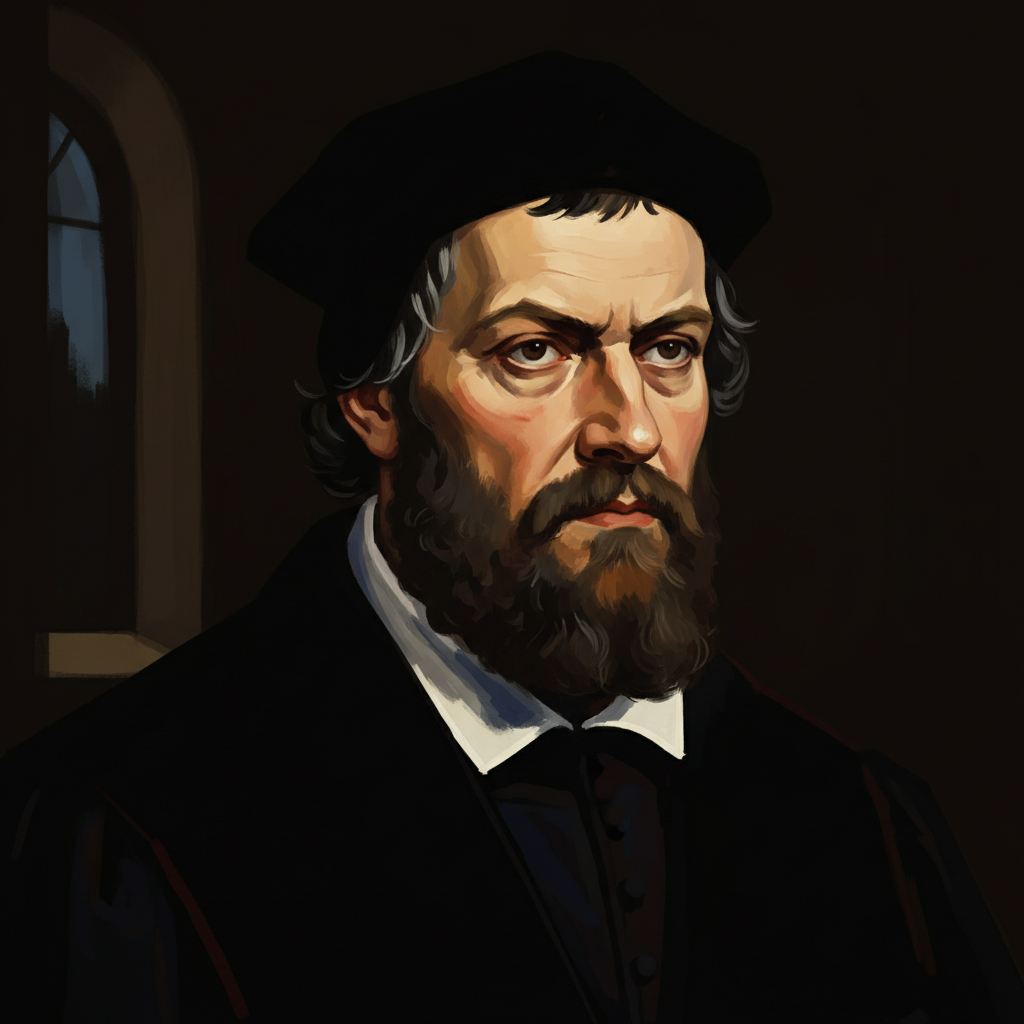
Late in life, Luther turned viciously against Jews after they refused to convert to his reformed Christianity. His 1543 treatise On the Jews and Their Lies proposed seven harsh measures, including burning synagogues, destroying homes, and banning travel, quoted here verbatim. Once a reformer who challenged Catholic authority on scriptural grounds, Luther applied the same absolutist certainty to condemn Jewish communities, leaving a dark legacy later exploited by antisemitic movements including the Nazi regime.
The era
In 1540s Germany, Jews were already confined to ghettos, barred from most guilds, and restricted to moneylending because Christians were forbidden usury. Charles V ruled a fracturing Holy Roman Empire where Protestant princes were codifying new religious laws. Expulsions from Spain (1492), Portugal, and various German cities had displaced Jewish populations repeatedly. Luther's writings gave theological cover for territorial rulers to impose fresh restrictions, reinforcing a centuries-old pattern of scapegoating during economic anxiety and religious upheaval.
AI-generated insights based on extensive research and information for context. Factual errors? Email [email protected].