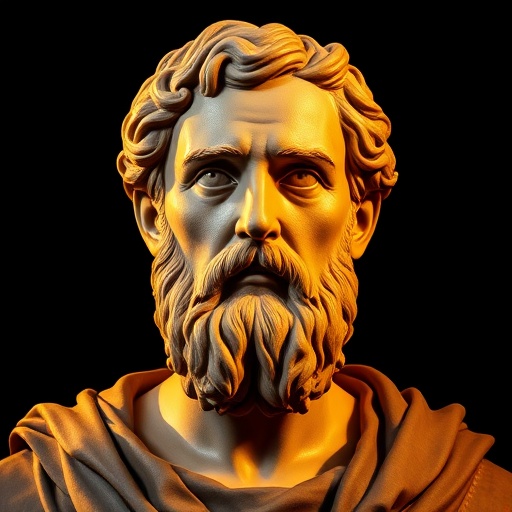
Saint Paul — "For a man indeed ought not to cover his head, forasmuch as he is the image and g…"
For a man indeed ought not to cover his head, forasmuch as he is the image and glory of God: but the woman is the glory of the man.
For a man indeed ought not to cover his head, forasmuch as he is the image and glory of God: but the woman is the glory of the man.
Click any product to generate a realistic preview. Up to 3 at a time.
* Initial load can take up to 90 seconds — revising the preview in another color is nearly instant.
"My grace is sufficient for you, for My strength is made perfect in weakness."
"If in this life only we have hope in Christ, we are of all men most miserable."
"But I keep under my body, and bring it into subjection: lest that by any means, when I have preached to others, I myself should be a castaway."
"For I bear in my body the marks of the Lord Jesus."
"Let your women keep silence in the churches: for it is not permitted unto them to speak; but they are commanded to be under obedience, as also saith the law."
Found in 1 providers: gemini
1 source checked
Paul argues that men should worship with heads uncovered because they directly reflect God's image and honor, while women reflect and honor men. He frames a gender hierarchy in worship practice, assigning different head-covering customs based on each gender's perceived role in the created order. Men answer to God; women, in this view, derive their standing through men.
Paul, a trained Pharisee steeped in Jewish scripture and Greco-Roman culture, frequently addressed congregational order in his letters to young churches. Writing to the Corinthians, he applied Genesis creation logic to practical worship disputes. His tentmaking trade kept him embedded in mixed urban communities where cultural norms around modesty, honor, and public appearance collided across Jewish, Greek, and Roman lines.
In first-century Corinth, head coverings signaled social status, marital standing, and sexual propriety across Roman and Jewish society. Respectable married women veiled in public; uncovered hair suggested shame or availability. Men prayed bareheaded in Greco-Roman custom but covered in Jewish tradition. Paul navigated these clashing conventions as Christianity spread through cosmopolitan port cities where honor-shame codes governed daily life and gathering decorum.
AI-generated insights based on extensive research and information for context. Factual errors? Email [email protected].
Your cart is empty