What it means
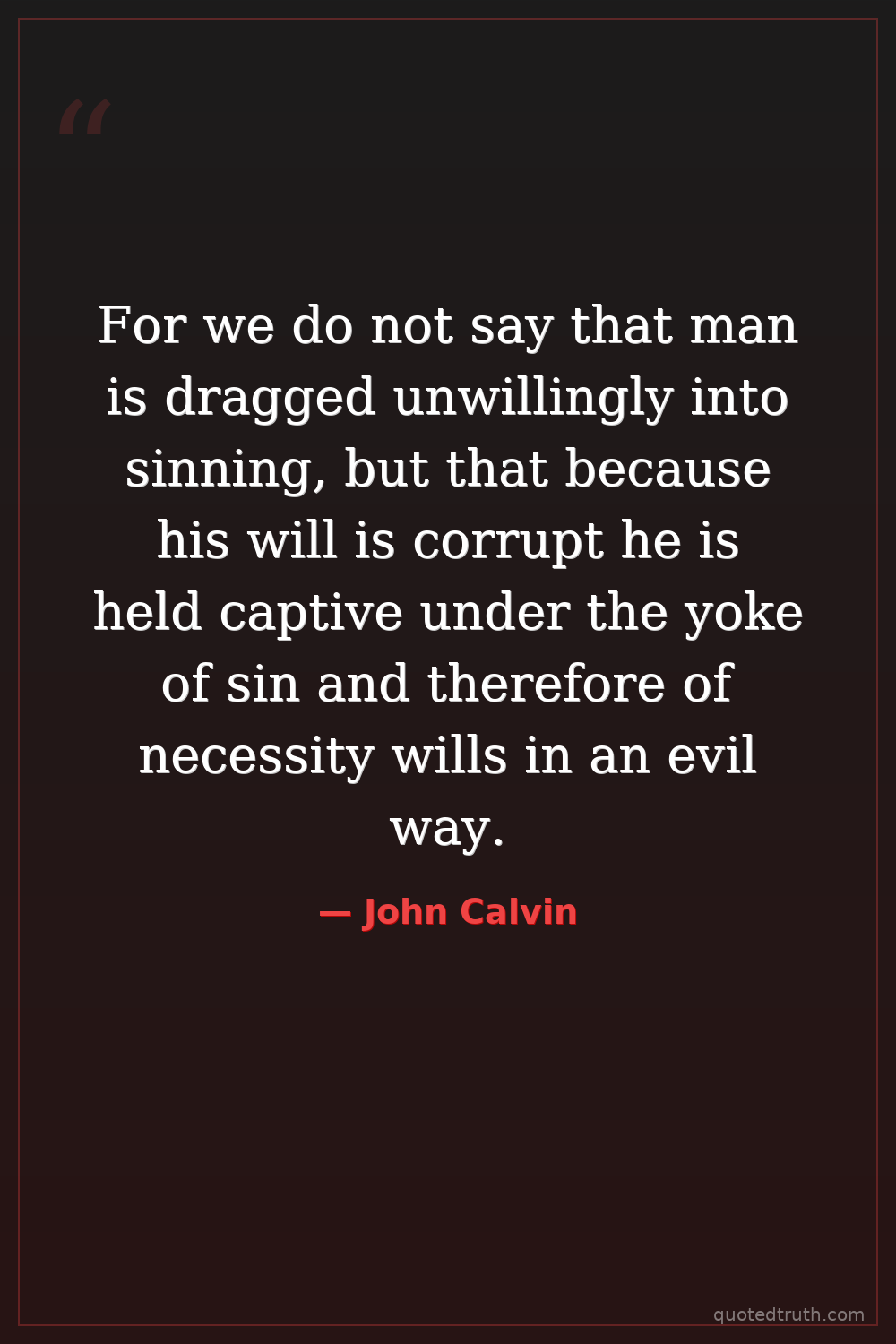
Humans are not forced into sin against their wishes — the problem runs deeper. The will itself became corrupt through the Fall, so people sin voluntarily yet inevitably. They want what is sinful because their desires are disordered. This distinction matters: sinners are morally responsible because they choose willingly, yet they cannot choose otherwise because their nature is fundamentally broken. Sin is a captivity of desire, not merely external compulsion.
Relevance to John Calvin
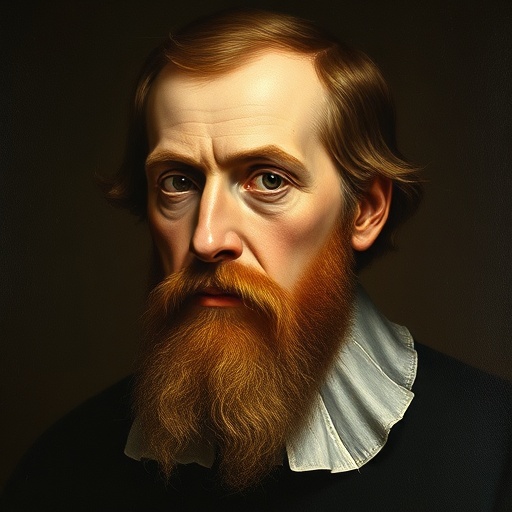
Calvin systematized the doctrine of the will's bondage in his Institutes of the Christian Religion, the defining text of Reformed theology. As Geneva's chief pastor and theologian, he built his entire soteriology on total depravity — if the will is so corrupt it cannot choose good, only sovereign divine election can save anyone. This quote reflects Calvin's lifelong project of grounding human inability in corrupted nature rather than external force, justifying predestination.
The era
The 16th-century Reformation erupted partly over free will and grace. Luther's De Servo Arbitrio had attacked Erasmus's defense of human freedom, and Calvin inherited that battle. The Council of Trent simultaneously defended Catholic teaching that human will, though weakened, retains some capacity for good. Calvin's articulation of the will's captivity was a frontline theological declaration distinguishing Protestant anthropology — total depravity — from Rome's more optimistic view of fallen human nature.
AI-generated insights based on extensive research and information for context. Factual errors? Email [email protected].