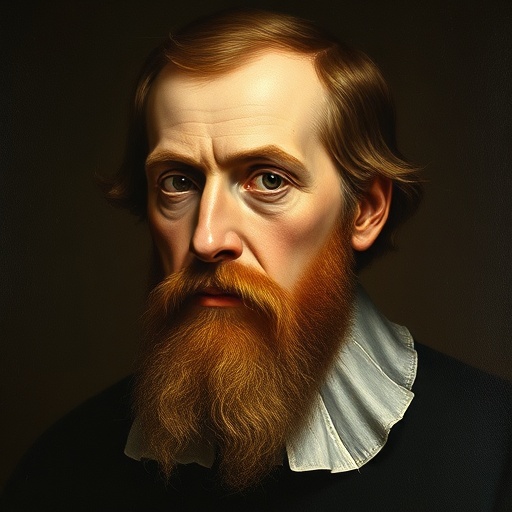
John Calvin — "God has decreed to save some and to destroy others, and this decree is just."
God has decreed to save some and to destroy others, and this decree is just.
God has decreed to save some and to destroy others, and this decree is just.
Click any product to generate a realistic preview. Up to 3 at a time.
* Initial load can take up to 90 seconds — revising the preview in another color is nearly instant.
"We shall never be clearly persuaded, as we ought to be, that our salvation flows from the wellspring of God's free mercy until we come to know his eternal election, which illumines God's grace by this…"
"Without knowledge of self there is no knowledge of God."
"Servetus suffered the penalty due his heresies, but was it by my will. Certainly his arrogance destroyed him not less than his impiety."
"The greater the sinner, the greater the need for God's grace."
"Though the will of God is the highest rule of justice, and all that he wills is to be held for righteous, yet he has not deemed it sufficient for us to acquiesce in his bare will, but has added reason…"
French theologian whose Institutes of the Christian Religion (1536) systematized Protestant Reformed doctrine, including predestination. Closely associated with Martin Luther (Reformation founder, Calvin's predecessor). For an intellectual contrast, see Jacobus Arminius, Dutch Reformed theologian (1560-1609) — Arminius's rejection of strict double-predestination founded Arminianism — the theological tradition modern Methodism, most evangelicalism, and Pentecostalism descend from. The Calvinist-Arminian debate has divided Protestantism for 400 years.
Found in 1 providers: grok
1 source checked
God has permanently decided, before time, which individuals will receive salvation and which will face eternal punishment — not based on their choices or merit, but purely on His sovereign will. This doctrine, called double predestination, insists God's decree cannot be unjust because God himself defines justice. Human effort, virtue, or free will plays no role in determining one's ultimate spiritual fate.
Calvin, trained as a lawyer before his religious conversion, brought rigorous logical discipline to Reformed theology in Geneva. His landmark Institutes of the Christian Religion (1536–1559) made predestination theology's cornerstone. As Geneva's dominant religious authority, he enforced strict moral codes while insisting human will was powerless against divine sovereignty. This quote encapsulates his lifelong conviction: God's absolute authority over salvation is not cruelty but the foundation of all justice.
The 16th-century Reformation shattered Catholic teaching that sacraments and good works contribute to salvation. Luther had emphasized faith alone; Calvin pushed further, insisting God's sovereignty was total and predestined. Amid religious wars, the Inquisition, and political fragmentation across Europe, predestination doctrine polarized Christians. The Council of Trent (1545–1563) directly countered Calvin by reaffirming human free will in salvation, making his decree theology a defining battleground of the era.
AI-generated insights based on extensive research and information for context. Factual errors? Email [email protected].
Your cart is empty