What it means
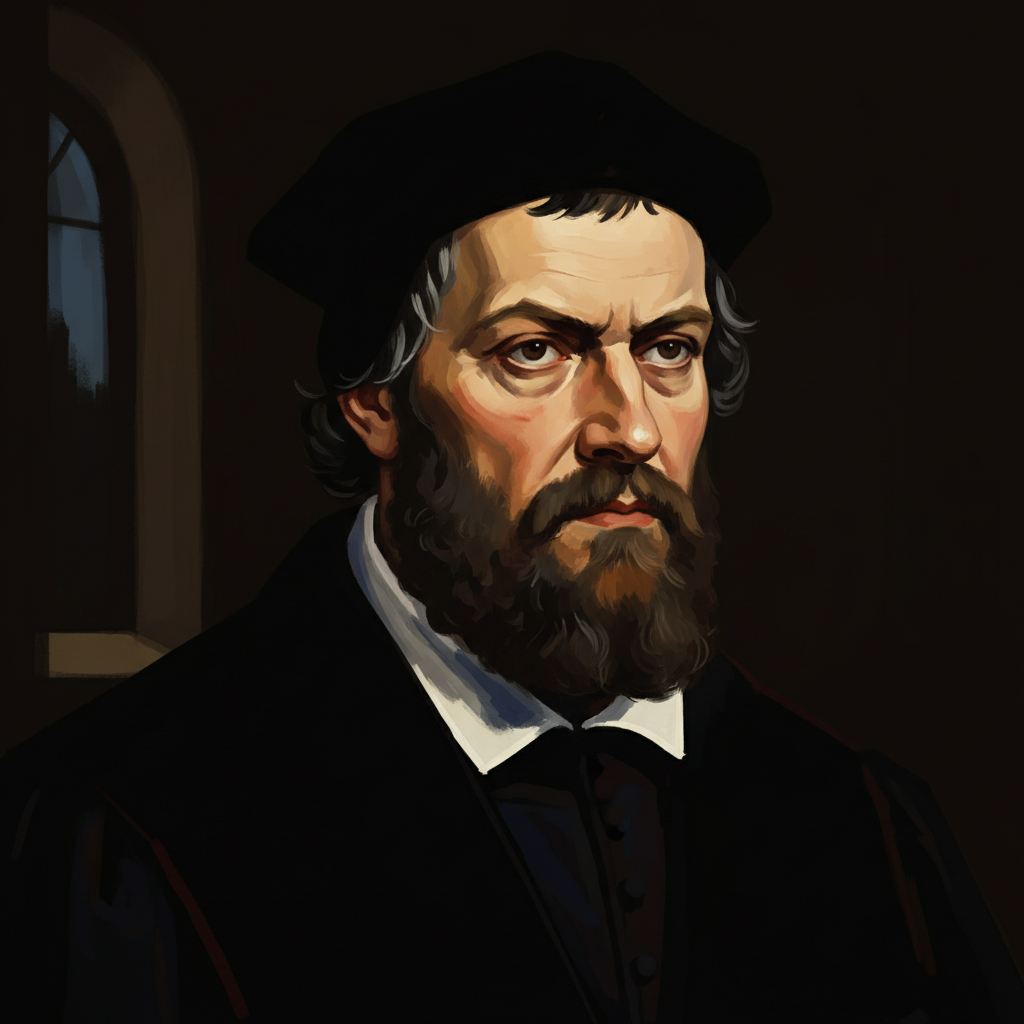
Luther says guilt comes from two sources: sin itself and the nagging inner voice that accuses us of it. Grace wipes out the sin, and peace calms that anxious conscience. He argues Christ already defeated both burdens permanently, so believers don't have to keep fighting them. This confident awareness, he claims, belongs only to Christians who trust that victory rather than trying to earn relief through their own efforts.
Relevance to Martin Luther
Luther personally wrestled with a tormented conscience as a young Augustinian monk, using fasting, confession, and self-punishment to feel forgiven, yet never finding peace. His breakthrough reading of Romans convinced him righteousness is a gift, not earned. That discovery fueled his 1517 Ninety-Five Theses attacking indulgences. This quote distills his signature doctrine of justification by grace alone, which became the engine of the Reformation.
The era
In early-modern Europe around 1517-1546, the Catholic Church sold indulgences promising reduced purgatory time, exploiting widespread fear of damnation and scrupulous consciences. Printing presses spread Luther's German Bible and pamphlets faster than authorities could suppress them. Peasants, princes, and scholars were questioning papal authority, and religious anxiety dominated daily life. A message that Christ alone conquered sin, bypassing priestly machinery and payments, struck directly at the Church's spiritual and financial power.
AI-generated insights based on extensive research and information for context. Factual errors? Email [email protected].