What it means
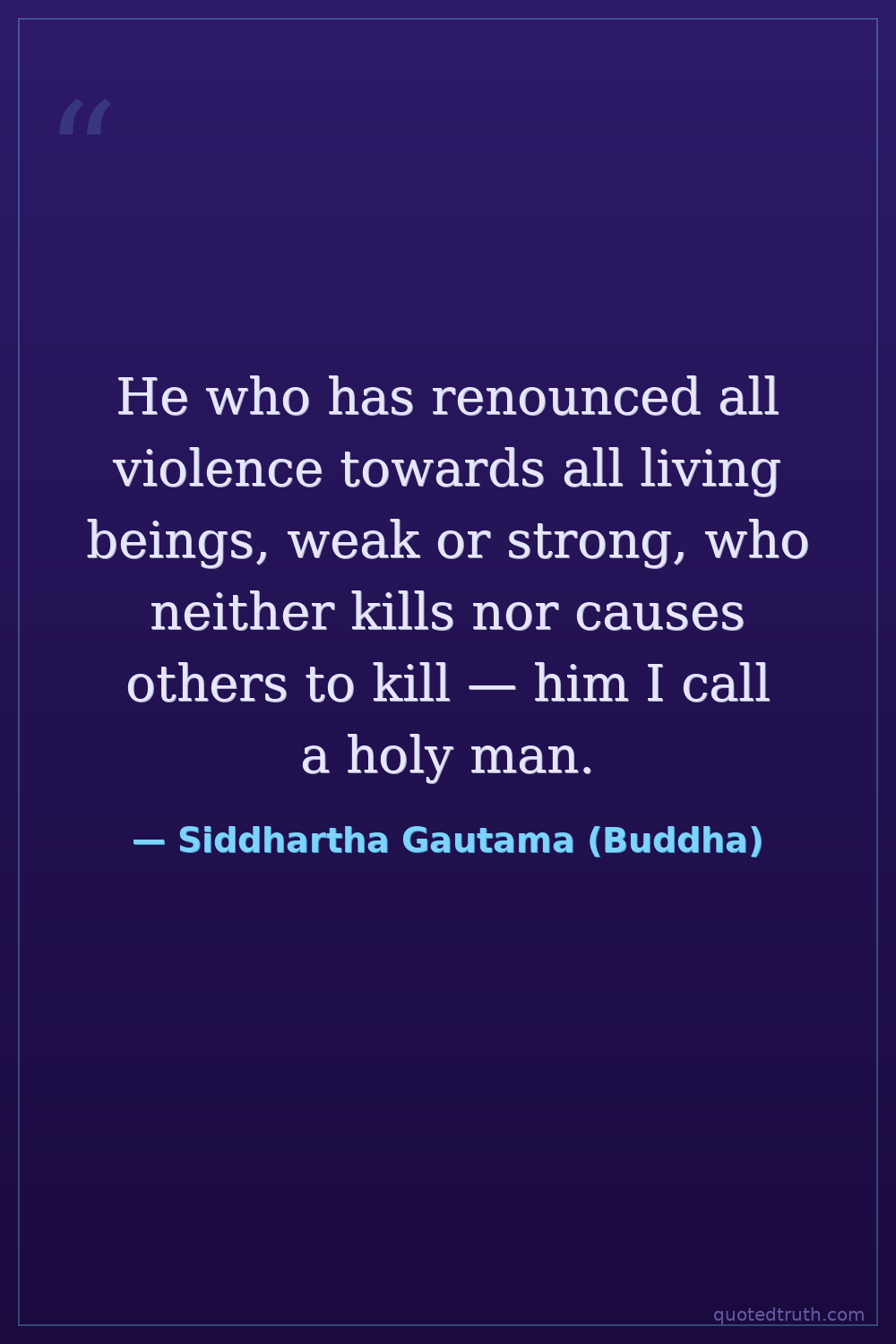
A truly spiritual person refuses to harm any living creature, regardless of whether that being is powerful or defenseless. Holiness is not measured by rituals, status, or birth, but by a complete commitment to nonviolence in thought and deed. This includes not personally killing and not directing, encouraging, or enabling others to kill on your behalf. Moral purity means taking full responsibility for the suffering your choices cause anywhere in the chain of action.
Relevance to Siddhartha Gautama (Buddha)
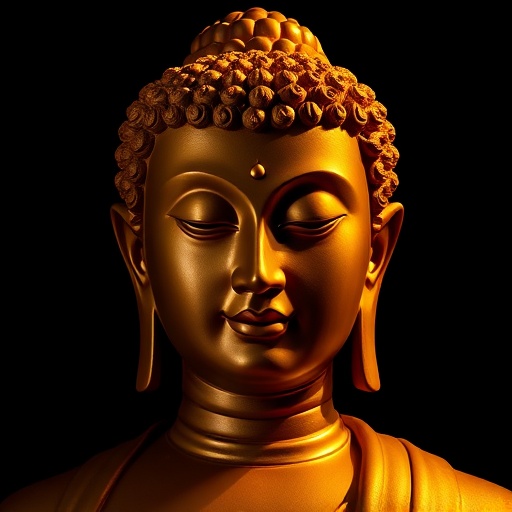
Buddha abandoned royal privilege in the Shakya clan to seek liberation from suffering, making compassion for all beings central to his teaching. Ahimsa (nonharming) is the first precept he gave monks and laypeople alike. By redefining the 'holy man' through conduct rather than Brahmin birth, he directly challenged the hereditary priesthood. His insistence on not causing others to kill reflects the Eightfold Path's Right Livelihood, which forbade trades like butchery and weapons-dealing.
The era
In 5th-century BCE northern India, animal sacrifice was central to Vedic Brahmanical religion, and caste determined spiritual worth. Rival shramana movements, including Mahavira's Jains, were rejecting ritual slaughter and emphasizing ahimsa. Kingdoms like Magadha and Kosala waged frequent wars, and the kshatriya warrior ethic glorified killing. Buddha's redefinition of holiness around nonviolence toward every creature, weak or strong, pushed back against both priestly sacrifice and royal militarism, offering an ethical alternative rooted in conduct rather than birth.
AI-generated insights based on extensive research and information for context. Factual errors? Email [email protected].