What it means
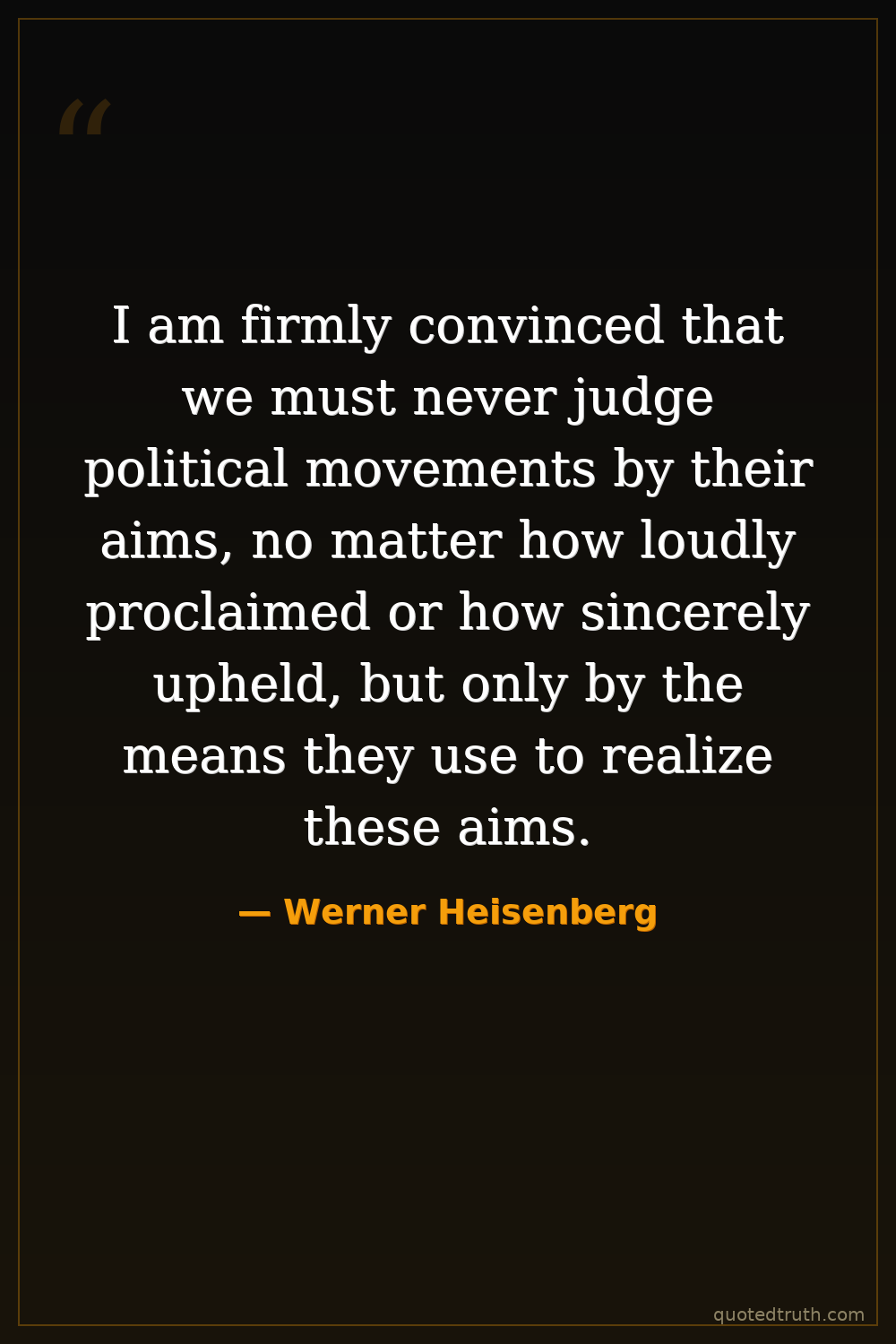
Don't trust political movements based on their stated goals, however noble-sounding or genuinely believed. Judge them instead by the methods they actually use to pursue those goals. Beautiful ideals can mask ugly tactics, and the ends rarely justify the means. A movement that employs coercion, violence, or deception reveals its true nature through those actions, regardless of what utopia it promises to deliver.
Relevance to Werner Heisenberg
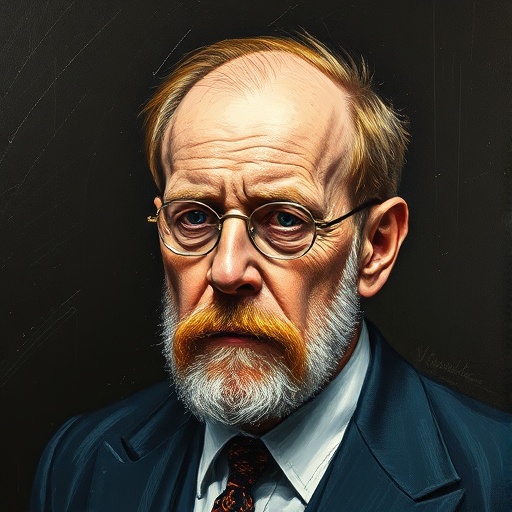
Heisenberg lived this principle in reverse during WWII, working on Nazi Germany's nuclear program while claiming post-war he deliberately slowed it. Having watched National Socialism rise on proclaimed goals of national renewal while using terror and genocide, he learned firsthand that lofty aims mean nothing against brutal means. His moral ambiguity around wartime choices gave him deep personal stake in this distinction between proclaimed ideals and actual methods.
The era
Writing after WWII, Heisenberg witnessed fascism, Stalinism, and Cold War ideologies all promising liberation, justice, or prosperity while employing purges, camps, and mass surveillance. Postwar Germans grappled with how ordinary citizens had embraced Nazism's stated aims while ignoring its methods. This era forced Western intellectuals to reckon with political evil dressed in idealistic language, making the aim-versus-means distinction urgent moral philosophy rather than abstract theory.
AI-generated insights based on extensive research and information for context. Factual errors? Email [email protected].