What it means
The speaker chooses not to catalog every case he witnessed, but presents a carefully selected set of the most compelling examples. Quality of evidence matters more than volume — a few well-chosen, clearly stated facts are sufficient to establish truth for any fair-minded reader. It's an assertion that honest, targeted evidence speaks for itself without requiring exhaustive enumeration to be credible or persuasive.
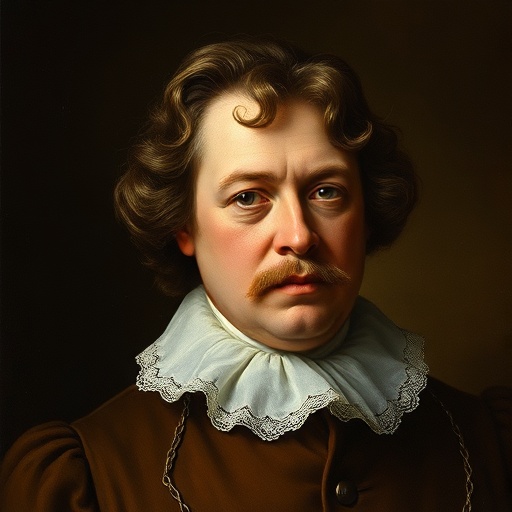
Relevance to Edward Jenner
Jenner spent years in Berkeley, Gloucestershire, observing that milkmaids exposed to cowpox rarely contracted smallpox. His 1798 paper 'An Inquiry into the Causes and Effects of the Variolae Vaccinae' compiled select case studies rather than exhaustive records. Facing fierce medical skepticism, his appeal to 'candid minds' reflects a patient, evidence-driven temperament — he trusted careful observation over authority, knowing extraordinary claims required compelling, not merely voluminous, documentation.
The era
In 1790s Britain, experimental medicine lacked formal standards — no peer review, clinical trials, or germ theory existed. The dominant inoculation practice was variolation: deliberately infecting patients with live smallpox, carrying real mortality risk. Religious and medical establishments fiercely resisted Jenner's claims. Demonstrating cowpox as a safer alternative required persuading skeptical physicians trained in tradition rather than experiment, making his careful, case-based argumentation strategically essential for acceptance.
AI-generated insights based on extensive research and information for context. Factual errors? Email [email protected].