What it means
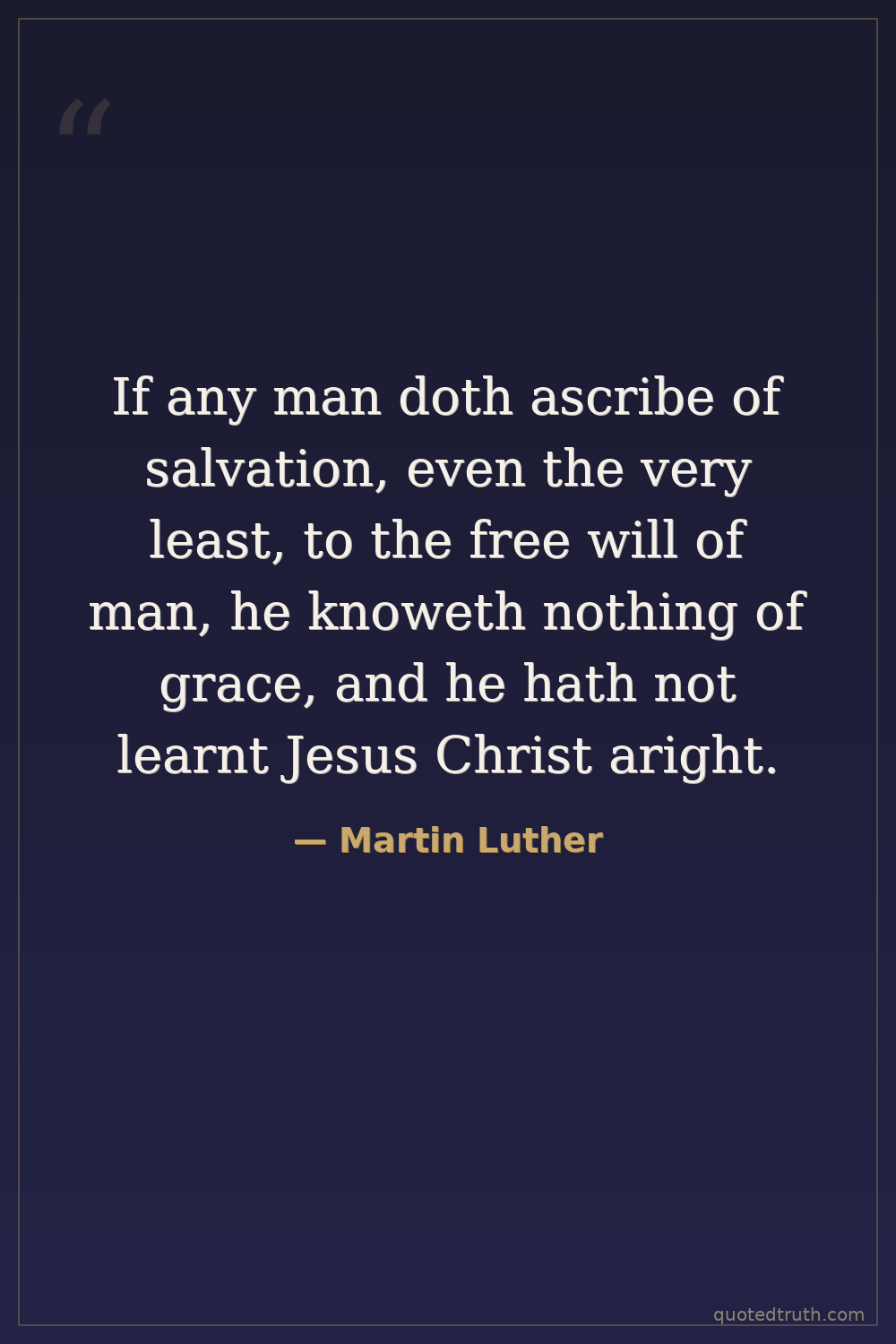
Luther argues that salvation is entirely God's gift, not something humans earn or choose through their own willpower. If you believe even a tiny fraction of being saved depends on your personal decision or moral effort, you've fundamentally misunderstood what grace means. Grace, by definition, is unearned. Anyone claiming partial credit for their salvation hasn't truly grasped who Jesus is or what he accomplished on the cross.
Relevance to Martin Luther
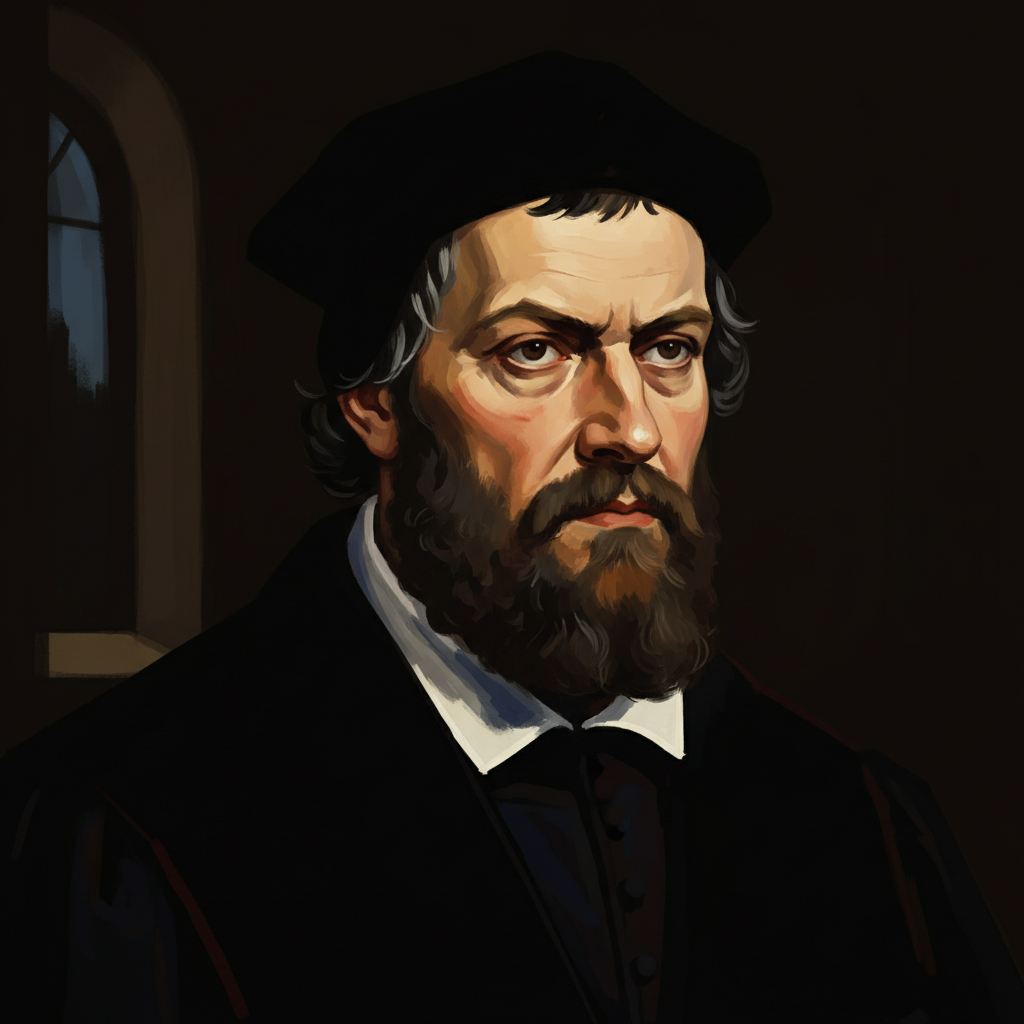
This cuts to the heart of Luther's theology. A former Augustinian monk tormented by scrupulous guilt, Luther found peace only by concluding works-righteousness was futile. His doctrine of sola gratia—grace alone—drove his 1517 break with Rome over indulgences, which he saw as selling what God gives freely. He later debated Erasmus directly on free will in Bondage of the Will (1525), his most personally treasured work.
The era
In early 16th-century Europe, the Catholic Church taught salvation required faith plus meritorious works, sacraments, and penance—including purchased indulgences funding St. Peter's Basilica. Humanists like Erasmus emphasized human moral capacity and free cooperation with grace. Luther's insistence on total divine initiative detonated this framework, fracturing Western Christianity. Princes seized the theological rebellion for political autonomy from Rome, sparking decades of religious warfare and reshaping European identity, literacy, and statecraft.
AI-generated insights based on extensive research and information for context. Factual errors? Email [email protected].