What it means
Every person you encounter has something to teach you, whether through their virtues or their flaws. Watch what good people do and copy it. Watch what bad people do and check yourself for the same faults. Learning does not require a formal teacher or a classroom. Ordinary companions, observed honestly, become mirrors and models. Growth comes from constant attention to the behavior around you, not from waiting for special instruction.
Relevance to Confucius
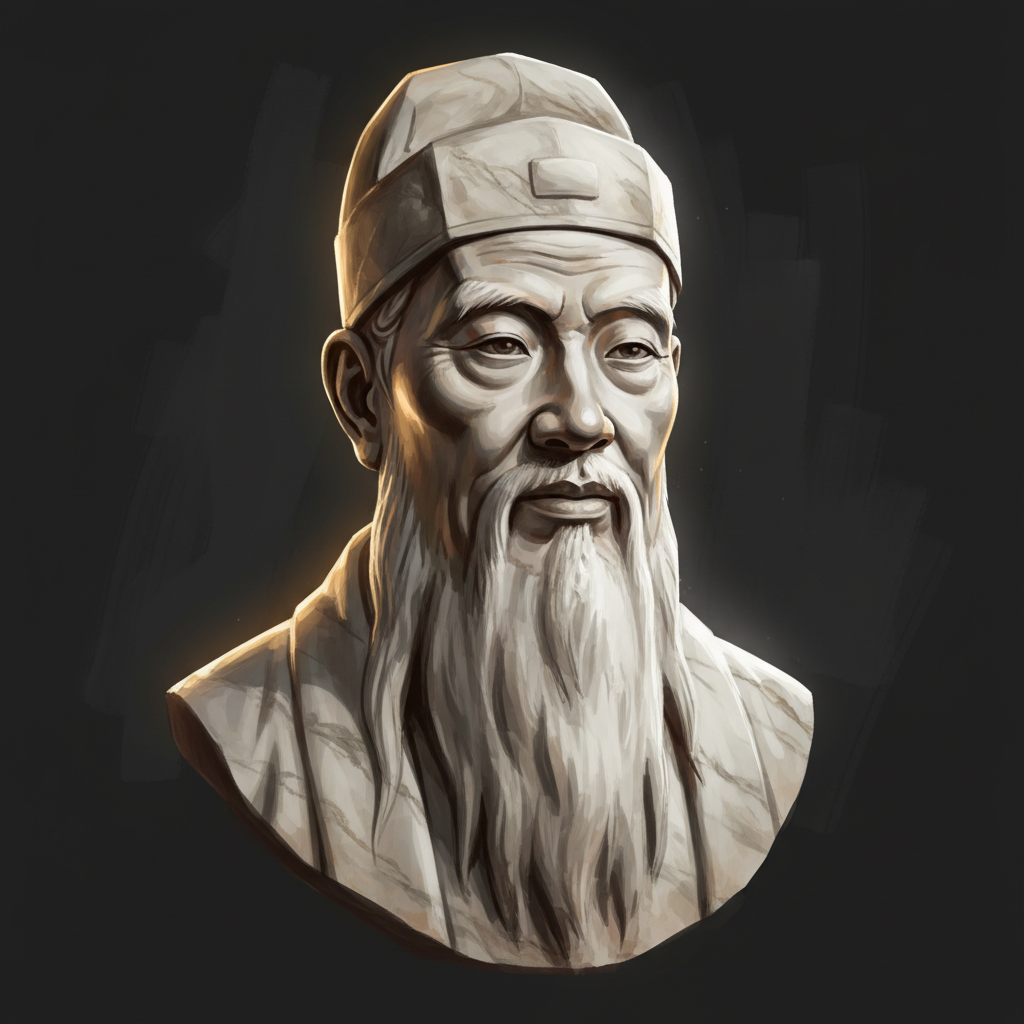
Confucius built his entire teaching around self-cultivation through observation and imitation of moral exemplars. He traveled widely with disciples, treating daily conversation as the main classroom. He famously said he was not born wise but loved learning, and he rejected the idea that wisdom belonged only to aristocrats or official tutors. This saying captures his democratic conviction that any encounter, handled with humility, can refine one's character.
The era
Confucius lived during the late Spring and Autumn period, roughly 551 to 479 BCE, when the Zhou dynasty's authority was collapsing and rival states fought constantly. Formal education was reserved for nobility, and moral order felt broken. Confucius opened teaching to commoners and argued that society could be repaired only by cultivating virtuous individuals. Framing ordinary travelers as teachers was radical in an age that tied wisdom to rank, ritual office, and inherited status.
AI-generated insights based on extensive research and information for context. Factual errors? Email [email protected].