What it means
Luther says he fights off the devil's temptations with crude humor, literally mocking him with flatulence. When the devil tries to shame him over trivial sins, Luther refuses to take the accusation seriously. By reducing spiritual warfare to a joke about breaking wind, he argues that scrupulous guilt over minor faults gives evil more power than it deserves. Laughter and contempt, not anxious piety, are his weapons.
Relevance to Martin Luther
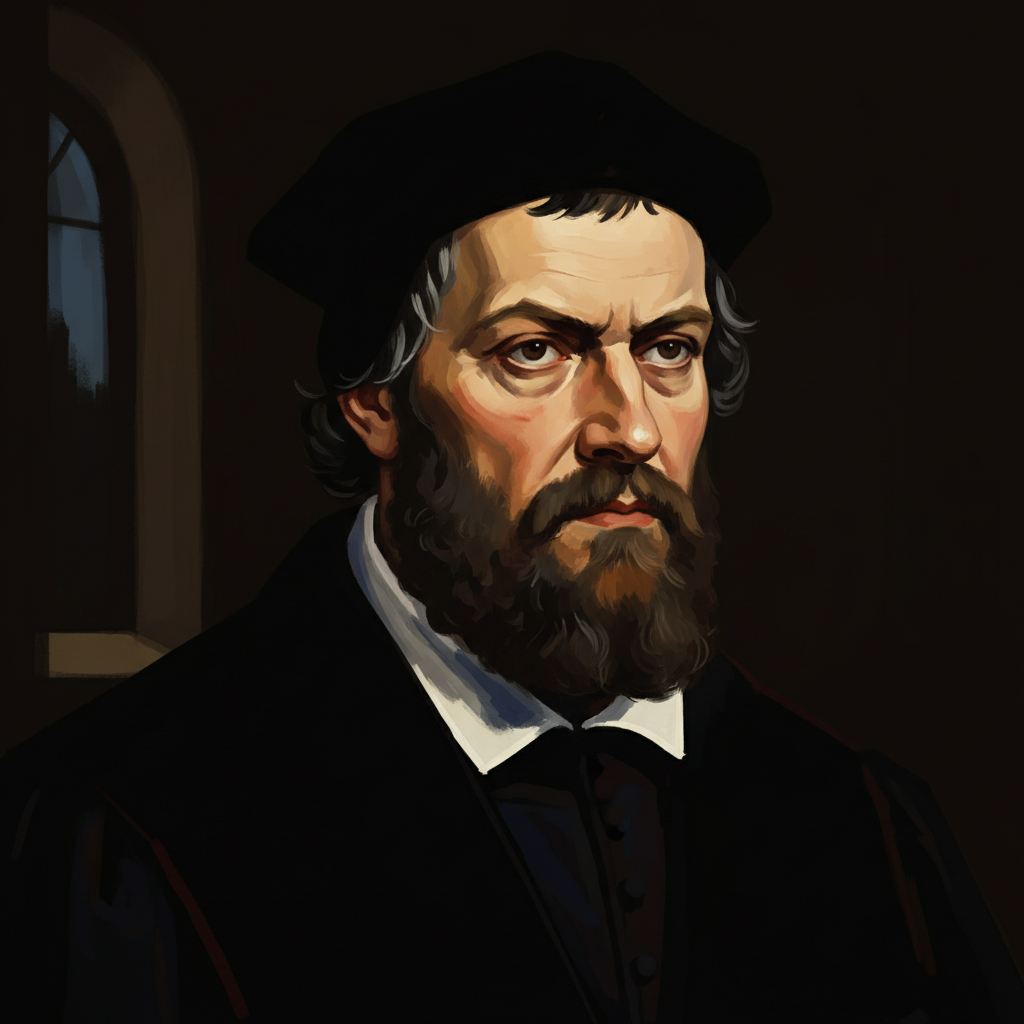
Luther was famously earthy, blunt, and fond of scatological humor, traits that fill his Table Talk and polemical writings. His theology of grace insisted believers were freed from obsessive guilt over small sins, since salvation came by faith, not scrupulous accounting. He also reported literal encounters with the devil at the Wartburg. Mocking Satan with a fart perfectly fuses his peasant tongue, his doctrine of Christian freedom, and his combative personality.
The era
In the early sixteenth century, Europeans took the devil as a literal, prowling presence, and the medieval Church cultivated meticulous guilt through confession manuals cataloguing every sin. Luther's Reformation, launched in 1517, attacked this machinery, including indulgences sold to offset such faults. Bawdy, bodily humor was also common in Reformation pamphlet warfare, where reformers and Catholics traded gross insults. Luther's joke fits that combative print culture and his campaign against anxious, transactional piety.
AI-generated insights based on extensive research and information for context. Factual errors? Email [email protected].