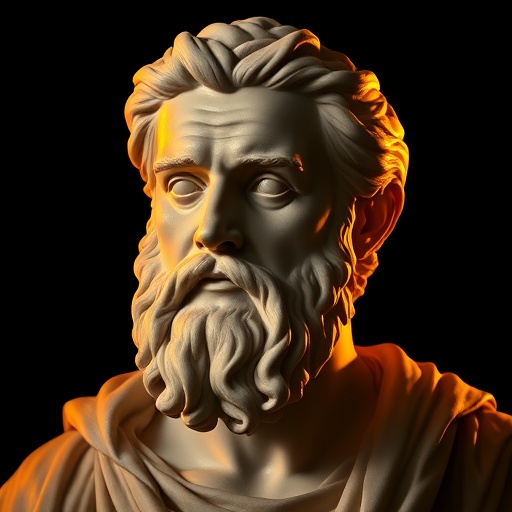
Hippocrates — "If you are in a bad mood, go for a walk. If you are still in a bad mood, go for …"
If you are in a bad mood, go for a walk. If you are still in a bad mood, go for another walk.
If you are in a bad mood, go for a walk. If you are still in a bad mood, go for another walk.
Click any product to generate a realistic preview. Up to 3 at a time.
* Initial load can take up to 90 seconds — revising the preview in another color is nearly instant.
"Diseases which are advanced, and those which are of long standing, are difficult to cure."
"The art of healing comes from nature, not from the physician."
"Leave your drugs in the chemist's pot if you can cure the patient with food."
"Those diseases which medicines do not cure, iron cures; those which iron does not cure, fire cures; and those which fire does not cure, are to be reckoned wholly incurable."
"The art of medicine is to restore health, not to take life."
Found in 2 providers: deepseek,gemini
2 sources checked
When emotions spiral downward, physical movement interrupts the cycle. Walking forces the body into rhythmic action, shifts attention outward, and triggers neurochemical changes that ease distress. The doubled instruction acknowledges that one attempt may not suffice — persistence matters. It's a practical, zero-cost prescription that bypasses the need for diagnosis or treatment: nature itself, accessed through simple locomotion, is the remedy. Modern neuroscience confirms exercise reduces cortisol and boosts endorphins.
Hippocrates (~460–370 BCE) rejected supernatural explanations for illness, insisting disease arose from natural causes — diet, environment, and lifestyle. His Hippocratic Corpus prescribes exercise as medicine, and he believed walking specifically aided digestion and mental clarity. This quote reflects his foundational conviction that the body heals itself when given proper conditions, and his pragmatic, patient-centered approach: simple, repeatable interventions over complex treatments.
In 5th-century BCE Greece, illness was typically blamed on divine punishment or demonic forces, treated through prayer and ritual at temples of Asclepius. Hippocrates's radical contribution was insisting disease had physical, observable causes. Greek culture simultaneously celebrated physical excellence through athletics and the gymnasium. Recommending walking as medicine was both a philosophical break from superstition and an extension of the culture's deep reverence for the trained, active body.
AI-generated insights based on extensive research and information for context. Factual errors? Email [email protected].
Your cart is empty