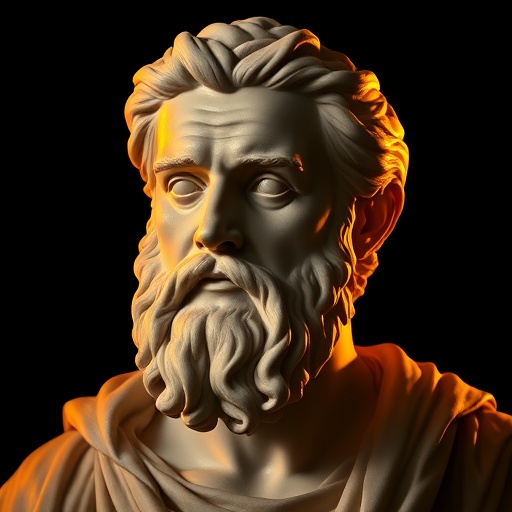
Hippocrates — "The art of healing comes from nature, not from the physician."
The art of healing comes from nature, not from the physician.
The art of healing comes from nature, not from the physician.
Click any product to generate a realistic preview. Up to 3 at a time.
* Initial load can take up to 90 seconds — revising the preview in another color is nearly instant.
"The physician treats, but nature heals."
"Those diseases which medicines do not cure, iron cures; those which iron does not cure, fire cures; and those which fire does not cure, are to be reckoned wholly incurable."
"The healthy man does not think about his health."
"The art of medicine is to heal, not to kill."
"Illnesses do not come upon us out of the blue. They are developed from small daily sins against Nature. When enough sins have accumulated, illnesses will suddenly appear."
Found in 1 providers: gemini
1 source checked
True healing is not something doctors manufacture or invent — it originates in the body's own natural processes and the world around us. A physician's role is to support and guide those natural forces, not to claim credit for recovery. The body heals itself; medicine simply removes obstacles or creates conditions that allow that process to unfold.
Hippocrates founded Western medicine by rejecting supernatural explanations for disease, insisting illness had natural causes. This quote embodies his empirical philosophy — he observed patients carefully, trusted bodily processes, and saw physicians as facilitators rather than miracle workers. His Hippocratic Corpus consistently emphasizes diet, environment, and natural constitution over physician intervention.
In ancient Greece, illness was widely attributed to divine punishment or demonic forces, and healing was performed by priests at temples like those of Asclepius. Hippocrates revolutionized this by arguing disease followed natural laws. His assertion that nature heals was a direct cultural challenge to religious medical authority, shifting medicine toward observation and rational inquiry in the 5th–4th centuries BCE.
AI-generated insights based on extensive research and information for context. Factual errors? Email [email protected].
Your cart is empty