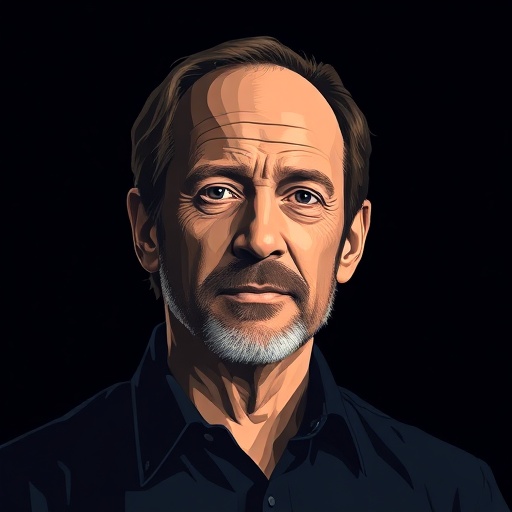
Tim Berners-Lee — "I'm optimistic that Solid can help to fix the web and make it a better place for…"
I'm optimistic that Solid can help to fix the web and make it a better place for everyone.
I'm optimistic that Solid can help to fix the web and make it a better place for everyone.
Click any product to generate a realistic preview. Up to 3 at a time.
* Initial load can take up to 90 seconds — revising the preview in another color is nearly instant.
"The biggest challenge for the web is to keep it neutral and fair."
"I actually thought for a while that the internet would just be for physicists. Then I realized it could be for everybody."
"I believe in the power of the web to transform lives."
"The web is a platform for humanity, and we need to fight for it."
"We need to protect the web from censorship and surveillance. It's a vital tool for freedom of expression."
British computer scientist who invented the World Wide Web at CERN in 1989 and founded the W3C, championing open web standards. Closely associated with Vint Cerf (TCP/IP co-creator and 'father of the internet') and Marc Andreessen (Mosaic browser creator and Netscape co-founder). For an intellectual contrast, see Mark Zuckerberg, Facebook (Meta) founder — Zuckerberg's walled-garden Facebook is the canonical contemporary opposite of Berners-Lee's open-web vision; Berners-Lee's Solid project and 'recapture the web' essays are explicitly written as a rebuttal to the platform-monopoly model Facebook pioneered.
Found in 1 providers: grok
1 source checked
The quote expresses confidence that Solid—a decentralized data protocol—can reverse the web's drift toward corporate data monopolies and surveillance. Rather than surrendering personal data to platforms, Solid lets individuals own and control their own data pods, sharing access selectively. Berners-Lee sees this as restoring the web's original promise: an open, empowering, universally accessible system rather than a fragmented landscape of walled gardens controlled by a handful of technology giants.
Berners-Lee invented the World Wide Web in 1989 at CERN, intending it as a free, open information space. Watching it become dominated by surveillance capitalism and data-harvesting platforms deeply troubled him. He launched the Solid project at MIT around 2016 as a direct response—his personal attempt to reclaim the web's founding ideals. His optimism here isn't naive; it's the conviction of someone who built the system and believes it can be rebuilt better.
This quote emerged during the late 2010s techlash—public and regulatory revolt against Big Tech. The 2018 Cambridge Analytica scandal revealed Facebook harvested millions of profiles without consent; GDPR took effect in Europe; calls for antitrust action against Google and Amazon intensified. Users increasingly felt exploited rather than served by platforms they relied on daily. Against this backdrop, Solid represented a structural answer to who should ultimately own the web's data.
AI-generated insights based on extensive research and information for context. Factual errors? Email [email protected].
Your cart is empty