What it means
Scientists cannot pick ideas based on personal taste, elegance, or what feels right. The only valid test is whether a theory matches what experiments actually show. Even a beautiful or intuitive explanation must be abandoned if evidence contradicts it, and an ugly or counterintuitive one must be accepted if data supports it. Truth in science is decided by reality, not by preference, authority, or aesthetic appeal.
Relevance to Dmitri Mendeleev
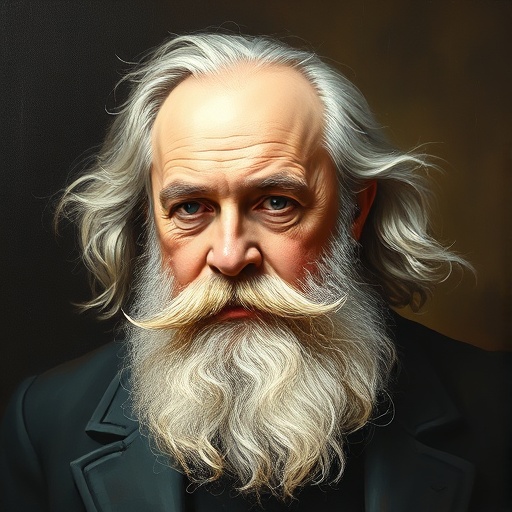
Mendeleev built the periodic table by trusting patterns in measured atomic weights, even leaving gaps for undiscovered elements like gallium and germanium. When experiments later confirmed their predicted properties, his system was validated. He repeatedly corrected accepted atomic weights when data demanded it, showing he valued empirical agreement over established opinion. This quote captures the disciplined humility that let him see order where contemporaries saw chaos.
The era
Mendeleev worked in late 19th-century Russia during a chemistry boom, when dozens of new elements were being isolated and chemists debated how to classify them. Rival systems competed, often built on theoretical preferences. Meanwhile, physics was shifting toward rigorous experimental standards, and thermodynamics was maturing. Mendeleev's insistence on theory-experiment agreement reflected a broader scientific culture pushing back against speculative natural philosophy, demanding that grand frameworks earn their place through measurable, reproducible evidence.
AI-generated insights based on extensive research and information for context. Factual errors? Email [email protected].