What it means
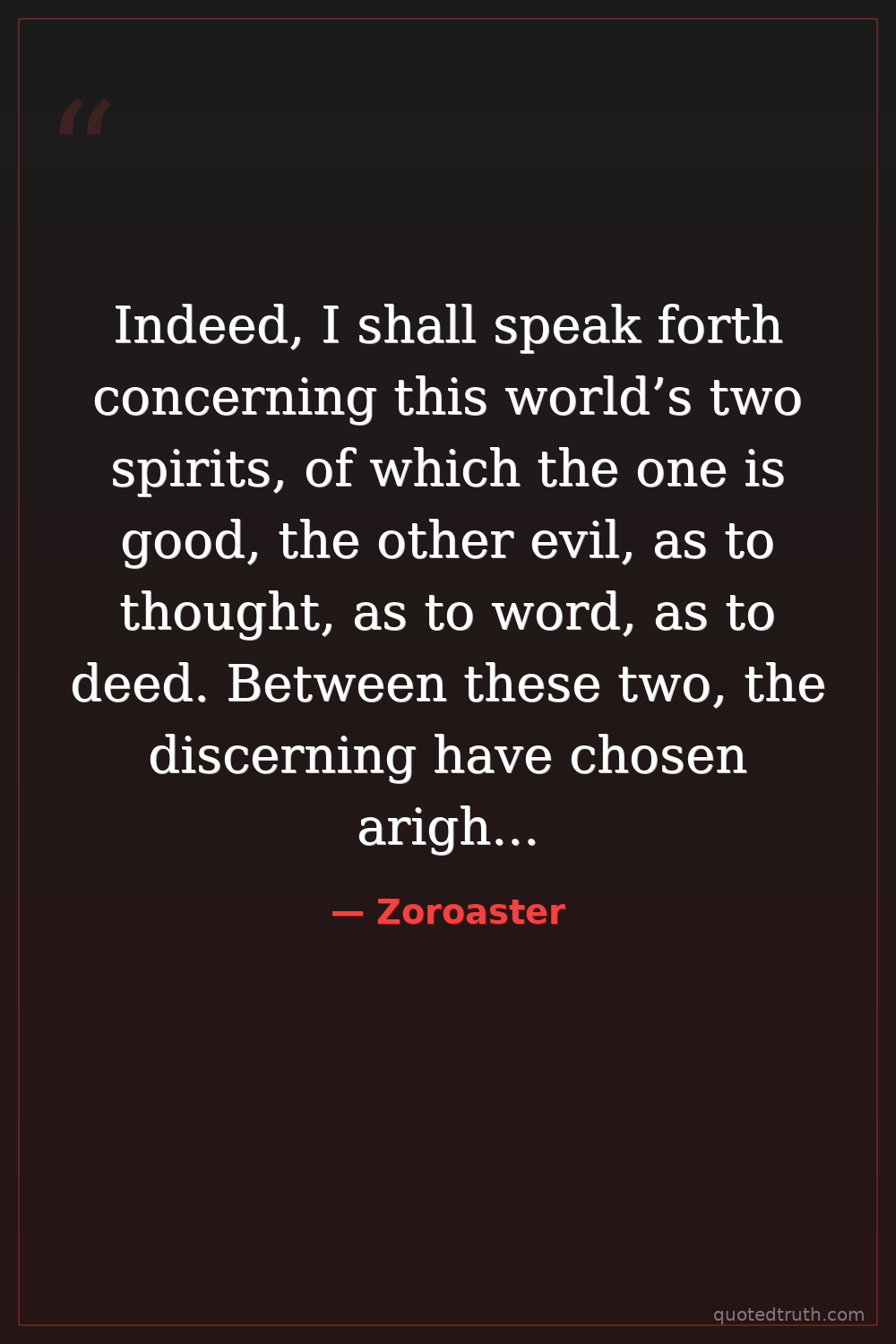
There are two fundamental forces operating in the world, one good and one evil, and they show up in everything we think, say, and do. People who think clearly recognize the difference and choose the good side, while those who lack judgment fail to see the distinction and end up making the wrong choice. Moral clarity depends on honest discernment, and indifference or confusion effectively aligns a person with harm.
Relevance to Zoroaster
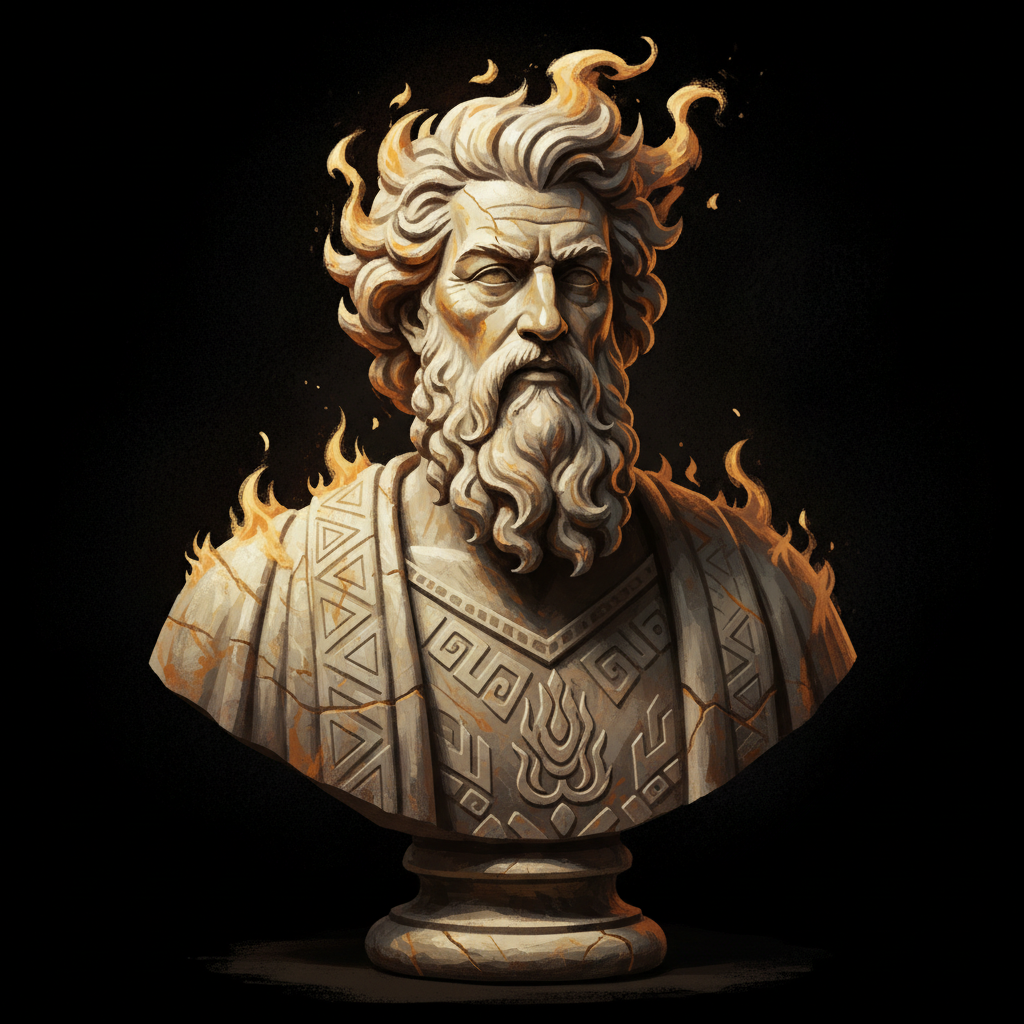
Zoroaster founded a religion built entirely on this dualism between Ahura Mazda, the wise lord of truth, and Angra Mainyu, the destructive spirit of the lie. As a reforming priest, he rejected the older polytheism of his region and taught that each person must actively choose truth over deception through good thoughts, good words, and good deeds, the triad that still defines Zoroastrian ethics.
The era
Zoroaster likely lived in ancient eastern Iran roughly between 1500 and 1000 BCE, among pastoral Indo-Iranian tribes that worshipped many nature gods and practiced ritual cattle sacrifice. His teaching of a single supreme god locked in cosmic struggle with evil was radical for its time and later shaped Persian imperial religion under the Achaemenids, influencing Jewish, Christian, and Islamic ideas about heaven, hell, judgment, and a final battle between good and evil.
AI-generated insights based on extensive research and information for context. Factual errors? Email [email protected].