What it means
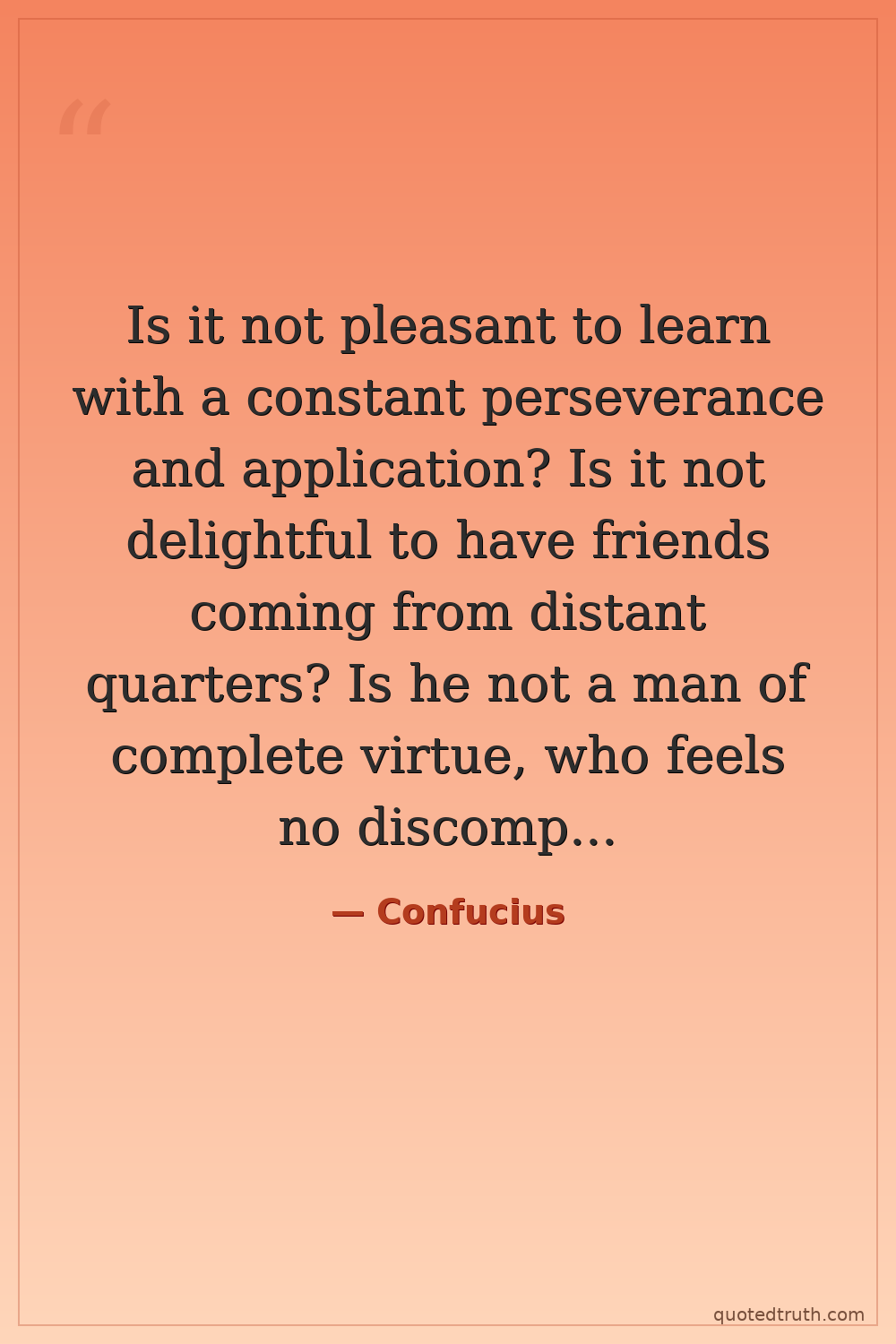
Three sources of genuine happiness: the steady joy of continuous learning and practice, the warmth of reconnecting with friends who travel far to see you, and the inner peace of staying composed when the world overlooks your worth. Together they sketch a life where fulfillment comes from disciplined study, loyal friendship, and self-contained dignity, not from recognition, fame, or external validation by others.
Relevance to Confucius
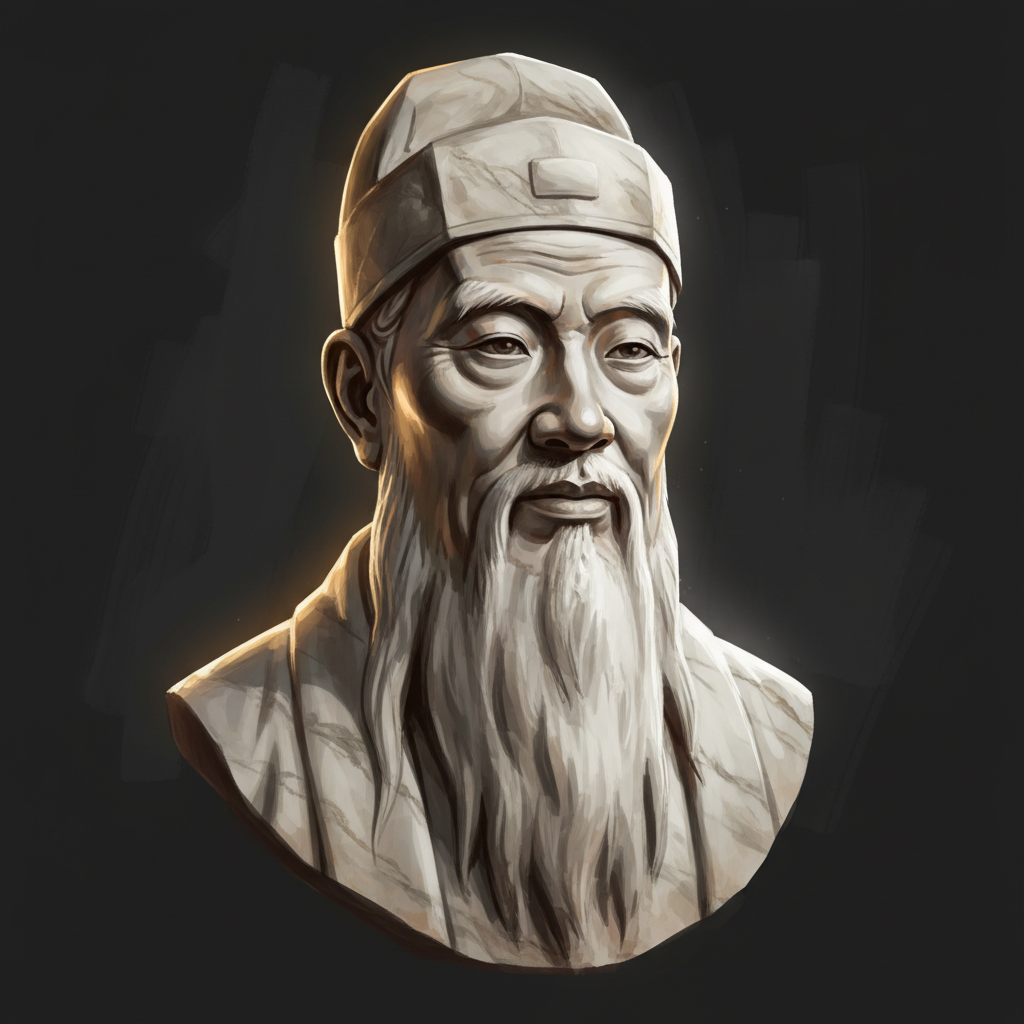
Confucius spent his life as a teacher, often traveling between states seeking a ruler who would adopt his ethical vision, mostly without success. Disciples followed him across great distances, mirroring the 'friends from distant quarters.' His emphasis on lifelong self-cultivation, ren (humaneness), and remaining virtuous despite obscurity reflects his own experience of being undervalued by princes yet revered by students who preserved his sayings in the Analects.
The era
Confucius lived during the late Spring and Autumn period (551-479 BCE), an era of collapsing Zhou authority, warring feudal states, and social upheaval. Aristocratic bloodlines were losing ground to shifting alliances and ambitious ministers. In this chaos, Confucius proposed that moral cultivation, ritual propriety, and learning, not birth or conquest, defined the true gentleman, offering scholars a dignified identity independent of court favor or political recognition.
AI-generated insights based on extensive research and information for context. Factual errors? Email [email protected].