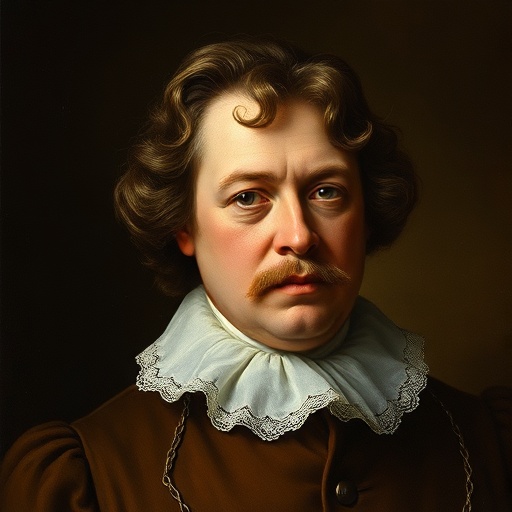
Edward Jenner — "My greatest ambition has always been to be useful to mankind."
My greatest ambition has always been to be useful to mankind.
My greatest ambition has always been to be useful to mankind.
Click any product to generate a realistic preview. Up to 3 at a time.
* Initial load can take up to 90 seconds — revising the preview in another color is nearly instant.
"I have often wished that I had more time to devote to my favourite studies."
"The most important discoveries have often been made by accident."
"I shall endeavor still further to prosecute this inquiry, an inquiry I trust not merely speculative, but of sufficient moment to inspire the pleasing hope of its becoming essentially beneficial to man…"
"The most difficult task is often the most rewarding."
"The disease has hitherto been confined to particular districts; and it has been observed, that where the Cow Pox has prevailed, the Small Pox has been much less frequent, and much less fatal."
Found in 1 providers: grok
1 source checked
A person driven not by personal glory or wealth, but by the desire to make a genuine difference in human lives. Usefulness here means practical, tangible benefit — solving real problems for real people. The speaker subordinates ego to purpose, measuring success not by status or reward but by how much suffering was reduced or life improved for others. A life built around contribution rather than recognition.
Jenner spent decades studying cowpox immunity among milkmaids before risking his reputation to vaccinate young James Phipps in 1796. Rather than patent his smallpox vaccine or move to lucrative London practice, he distributed the formula freely and remained a country doctor in Berkeley. Parliament eventually granted him £30,000, but his life choices consistently prioritized public benefit over personal fortune or prestige.
In the 1790s, smallpox was Europe's deadliest disease, killing hundreds of thousands annually and disfiguring survivors. Germ theory hadn't been conceived — physicians debated miasma versus contagion. The Enlightenment had elevated science as a tool for human progress, and improving public welfare was newly seen as a moral imperative. Jenner's claim that a cow disease could prevent a human plague seemed absurd to many contemporaries.
AI-generated insights based on extensive research and information for context. Factual errors? Email [email protected].
Your cart is empty