What it means
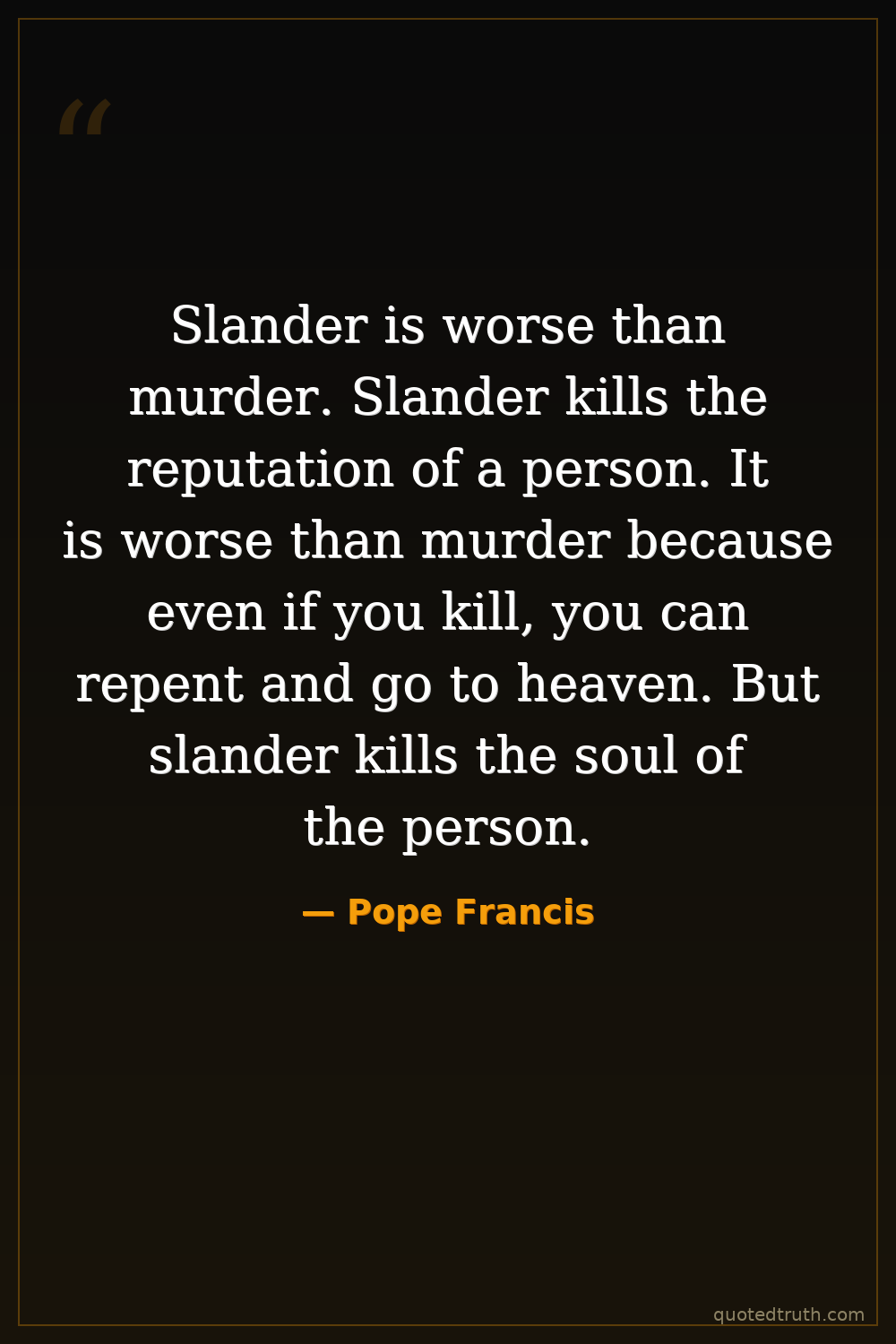
Damaging someone's reputation through false or malicious speech is a profound moral evil—worse than physical killing. When you murder someone's good name, you destroy how others perceive their soul and character, stripping them of dignity and social existence. Even physical murder allows the killer a path to genuine repentance, but the slanderer attacks something intangible and harder to restore: a person's standing before their community and God.
Relevance to Pope Francis
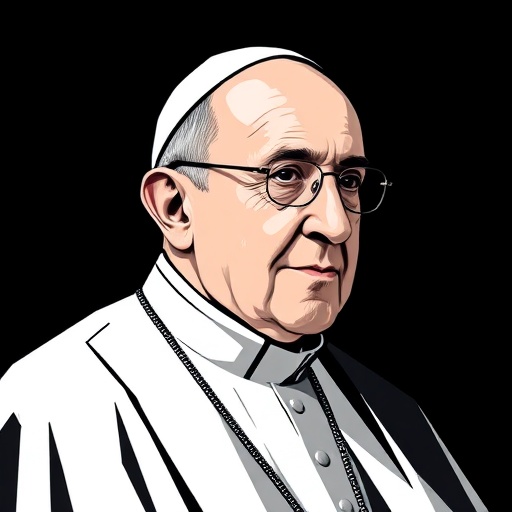
Pope Francis has consistently championed human dignity as sacred. As head of the Catholic Church navigating fierce internal criticism and media scrutiny, he has personally experienced character attacks. His Jesuit background emphasizes discernment and careful speech. He has repeatedly condemned gossip within Vatican walls, calling it a 'plague,' and tied reputational harm directly to spiritual damage—reflecting his pastoral concern for both victim and perpetrator.
The era
Francis spoke into a social media era where slander spreads globally within seconds, destroying reputations before any correction is possible. Cancel culture, viral misinformation, and anonymous online attacks have made reputational murder effortless and widespread. His pontificate coincides with an unprecedented collapse of institutional trust, where accusations—true or false—carry devastating weight, making his warning about slander's irreversibility acutely relevant to contemporary digital life.
AI-generated insights based on extensive research and information for context. Factual errors? Email [email protected].