What it means
Your life is like a farm you're actively working. Your physical self is the land, your mind does the actual labor of tending it, the kind and honest things you do are what you plant, and meditating on the divine is what keeps everything alive. Put in consistent effort on all four, and what eventually grows is spiritual freedom. Salvation isn't handed to you, it's harvested from work you do on yourself daily.
Relevance to Guru Nanak
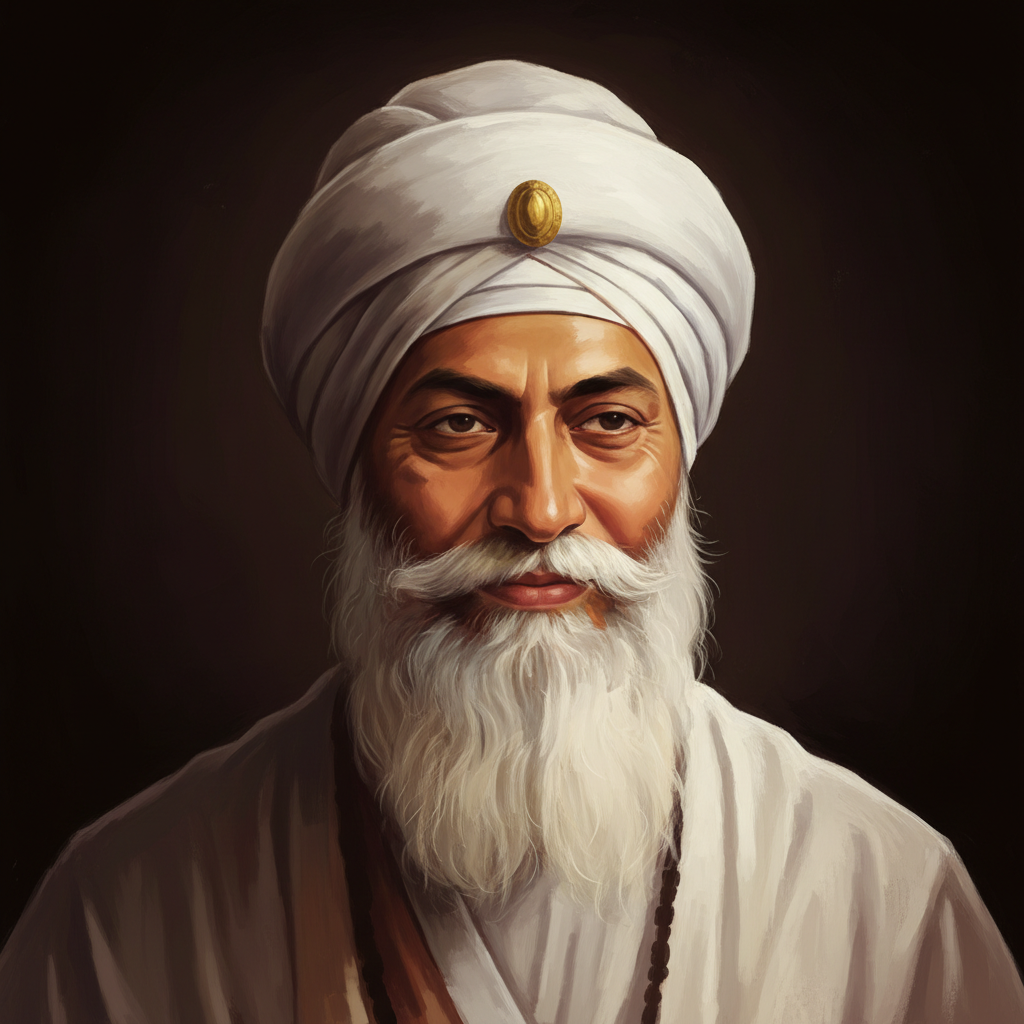
Nanak grew up in a farming village in Punjab and spent years as an accountant managing grain stores for a local governor, so agricultural imagery was literal daily vocabulary for him. He rejected ritual and caste-based shortcuts to God, teaching instead that honest labor (kirat karni), meditation on the divine name (naam japna), and ethical action were the path. This farming metaphor compresses his entire householder theology into one image peasants could grasp.
The era
In early 16th-century Punjab under the late Delhi Sultanate and early Mughal arrival, most people were illiterate farmers crushed between Hindu caste priests and Muslim clerics, both of whom sold salvation through ritual, pilgrimage, and fees. Nanak's crops-and-water metaphor deliberately bypassed temple and mosque, telling peasants they already owned the field of their own liberation. It was radical populism dressed as farming advice, during a period of intense religious friction and social stratification.
AI-generated insights based on extensive research and information for context. Factual errors? Email [email protected].