What it means
Complacency and spiritual laziness are more dangerous to the soul than active wrongdoing. When people settle into comfortable routines and stop challenging themselves morally, they grow indifferent to injustice and the suffering of others. True spiritual peril lies not in falling but in never rising — choosing ease over engagement, self-satisfaction over transformation, and personal tranquility over the difficult work of living an examined, purposeful life.
Relevance to Pope Francis
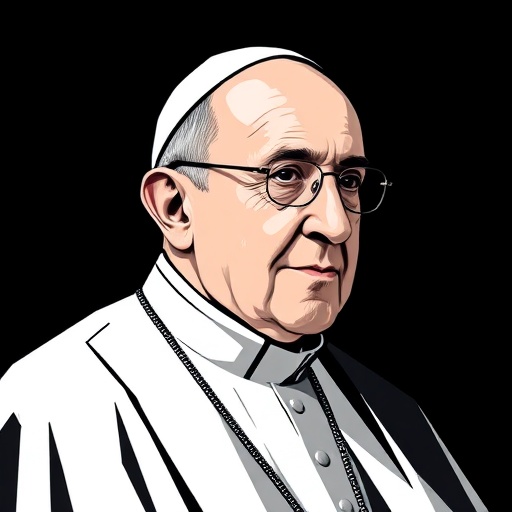
Born Jorge Mario Bergoglio in Buenos Aires, Francis took the name of the poverty-embracing Saint Francis of Assisi. He rejected papal luxury, lived simply, and washed prisoners' feet. Trained as a Jesuit in active discernment and worldly engagement, his papacy consistently challenged comfortable, affluent Catholics to serve migrants, the poor, and the marginalized rather than retreat into self-satisfied, orderly religiosity disconnected from human suffering.
The era
Francis became Pope in 2013 amid rising global inequality, mass refugee crises, and declining religious practice in wealthy Western nations. The Catholic Church faced institutional abuse scandals and shrinking congregations in prosperous countries, even as it grew in the Global South. His warning targeted a middle-class Christianity grown politically cautious and culturally settled, echoing liberation theology's call to prioritize the vulnerable over institutional comfort and social respectability.
AI-generated insights based on extensive research and information for context. Factual errors? Email [email protected].