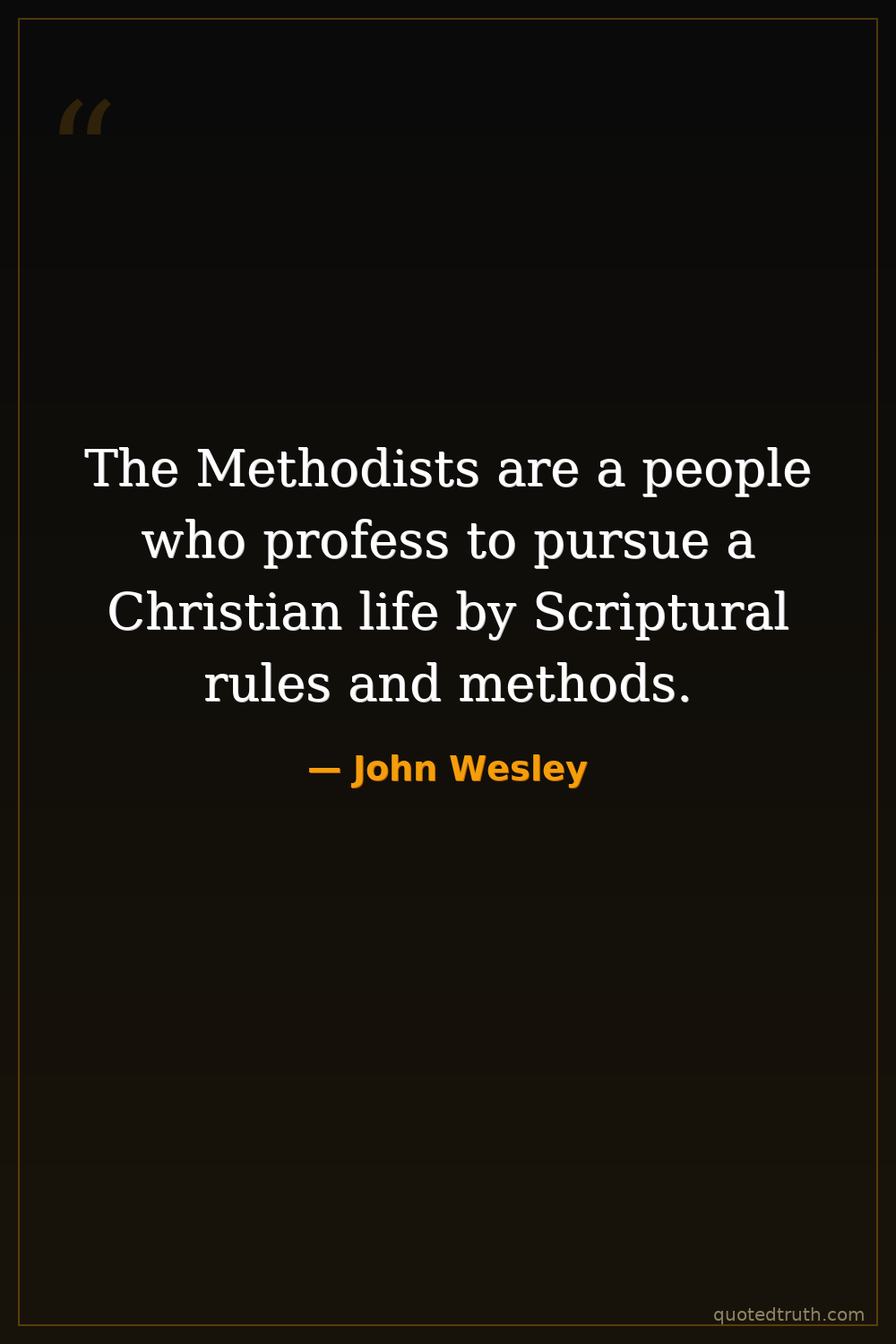
John Wesley — "The Methodists are a people who profess to pursue a Christian life by Scriptural…"
The Methodists are a people who profess to pursue a Christian life by Scriptural rules and methods.
The Methodists are a people who profess to pursue a Christian life by Scriptural rules and methods.
Click any product to generate a realistic preview. Up to 3 at a time.
* Initial load can take up to 90 seconds — revising the preview in another color is nearly instant.
"I look upon all the world as my parish."
"Sing lustily and with a good courage. Beware of singing as if you were half dead, or half asleep; but lift up your voice with strength."
"I have often thought that the greatest comfort in life, is to have a friend."
"I found myself much out of order, and apprehended that my end was near. I had no fear of death, but I was concerned for the cause of God, which I apprehended would suffer by my removal."
"The Gospel of Christ knows of no religion but social; no holiness but social holiness."
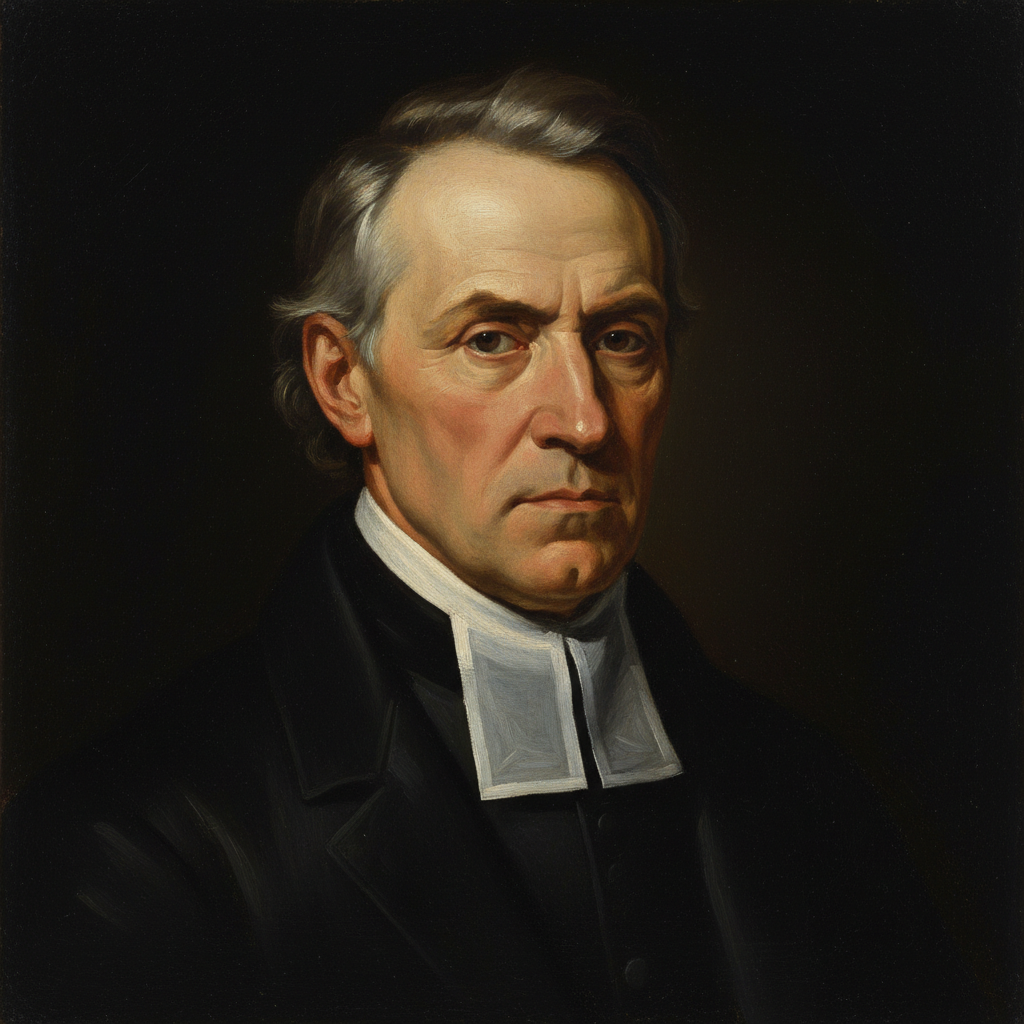
English Anglican cleric and founder of Methodism, whose open-air preaching and class-meeting structure created the largest 18th-century evangelical revival. Closely associated with Charles Wesley (his hymn-writing brother) and George Whitefield (early co-revivalist, later doctrinal opponent). For an intellectual contrast, see George Whitefield, Calvinist evangelical revivalist — Whitefield's predestinarian Calvinism vs Wesley's free-grace Arminian theology split the early Methodist movement permanently in the 1739-41 break. The founding evangelical Calvinist-Arminian schism — the two parallel evangelical traditions American Christianity descends from.
Found in 1 providers: grok
1 source checked
Wesley is defining Methodists as people who don't just claim Christianity but actively structure their lives around specific biblical practices and disciplines. The emphasis falls on pursuit and method — Christianity as something you do systematically, not merely believe abstractly. It's a declaration that spiritual growth requires intentional, rule-guided effort rather than passive faith or inherited church membership.
Wesley founded Methodism precisely because he believed the Church of England had grown lax and nominal. He organized his followers into 'classes' and 'bands' with strict accountability structures, regular meeting schedules, fasting regimens, and service requirements. The word 'method' was originally mocking slang his Oxford peers coined — Wesley embraced and redefined it as a badge of disciplined, structured devotion.
18th-century England saw widespread nominal Christianity where church attendance was social obligation rather than sincere practice. The Industrial Revolution was displacing rural populations into chaotic urban poverty. Enlightenment rationalism challenged faith's foundations. Wesley's insistence on scriptural method and structured piety was a direct counter-movement, offering working-class people a disciplined spiritual framework amid social upheaval and religious indifference.
AI-generated insights based on extensive research and information for context. Factual errors? Email [email protected].
Your cart is empty