Benjamin Franklin — "The noblest question in the world is, What good may I do in it?"
The noblest question in the world is, What good may I do in it?
The noblest question in the world is, What good may I do in it?
Click any product to generate a realistic preview. Up to 3 at a time.
* Initial load can take up to 90 seconds — revising the preview in another color is nearly instant.
"In wine there is wisdom, in beer there is strength, in water there is bacteria."
"He that has a wife and children, has given hostages to fortune."
"Pardoning the Bad, is injuring the Good."
"An investment in knowledge always pays the best interest."
"A man's own manner of living is a perpetual sermon."
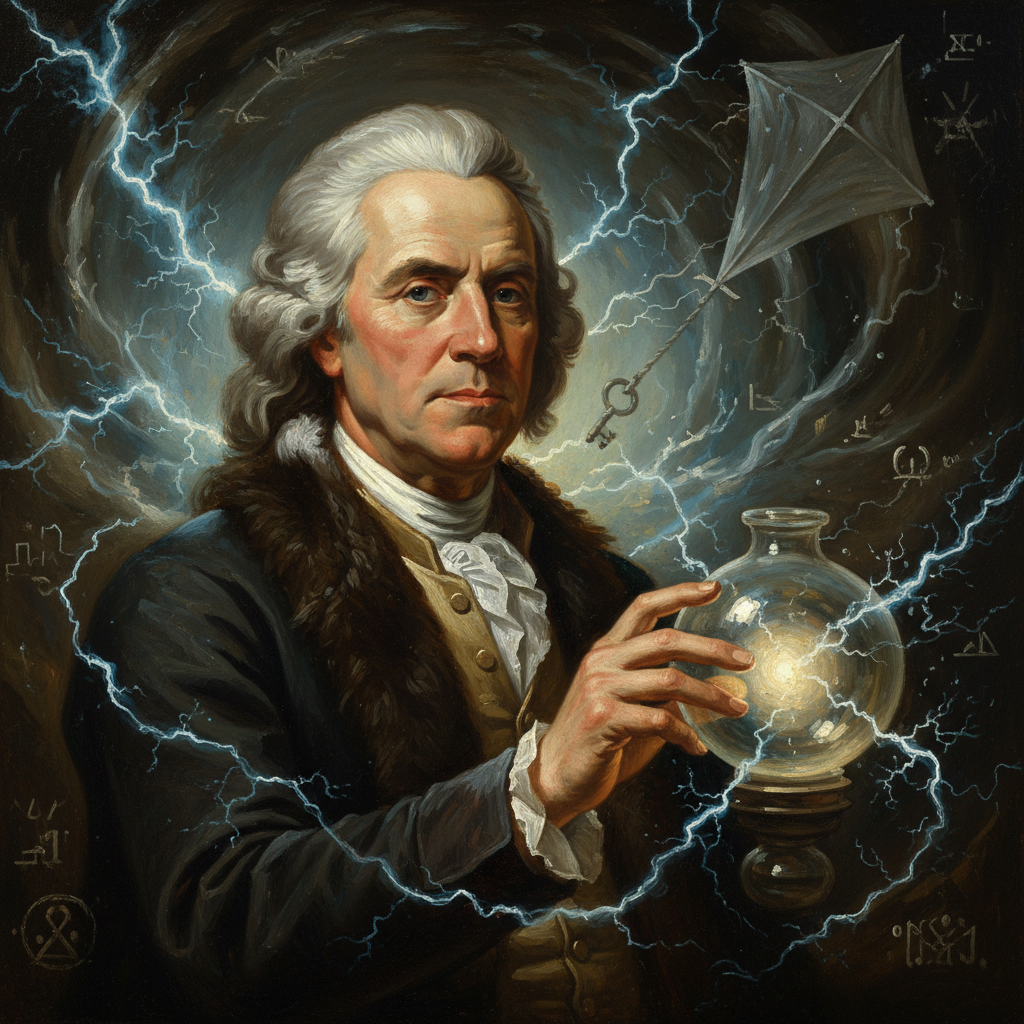
Polymath Founding Father, diplomat, and Poor Richard's Almanack author who helped draft the Declaration of Independence and the Constitution. Closely associated with John Adams (fellow Founder, Massachusetts statesman) and Thomas Jefferson (fellow Declaration drafter). For an intellectual contrast, see Thomas Hutchinson, last royal governor of colonial Massachusetts — Franklin leaked Hutchinson's loyalist correspondence to Boston in 1772 to inflame revolutionary sentiment — Hutchinson represented the colonial-aristocrat crown-loyalty that Franklin's revolution was organized to dismantle.
Found in 2 providers: grok,gemini
2 sources checked
The most important question anyone can ask is how they can contribute positively to the world. It dismisses self-serving pursuits—wealth, status, fame—as lesser concerns and elevates civic purpose above personal gain. In modern terms, this is a call to intentional living: measure your life not by what you accumulate but by what you improve, build, or give to others around you.
Franklin lived this question literally. He founded Philadelphia's first public library, a volunteer fire company, a hospital, and what became the University of Pennsylvania—none for profit. He gave away his lightning rod invention freely, refusing patents, believing useful discoveries belonged to humanity. His Poor Richard's Almanack linked personal virtue to community benefit. Public service defined him as much as any experiment.
Franklin's era was the Enlightenment and early American republic—a moment when thinkers rejected aristocratic hierarchy and asked what rational, moral individuals owe society. Colonial survival required collective action: roads, defense, fire response, schooling depended on voluntary civic effort. Founding a democratic republic made the question existential—self-governance only works if citizens actively contribute rather than merely consume what institutions provide.
AI-generated insights based on extensive research and information for context. Factual errors? Email [email protected].
Your cart is empty