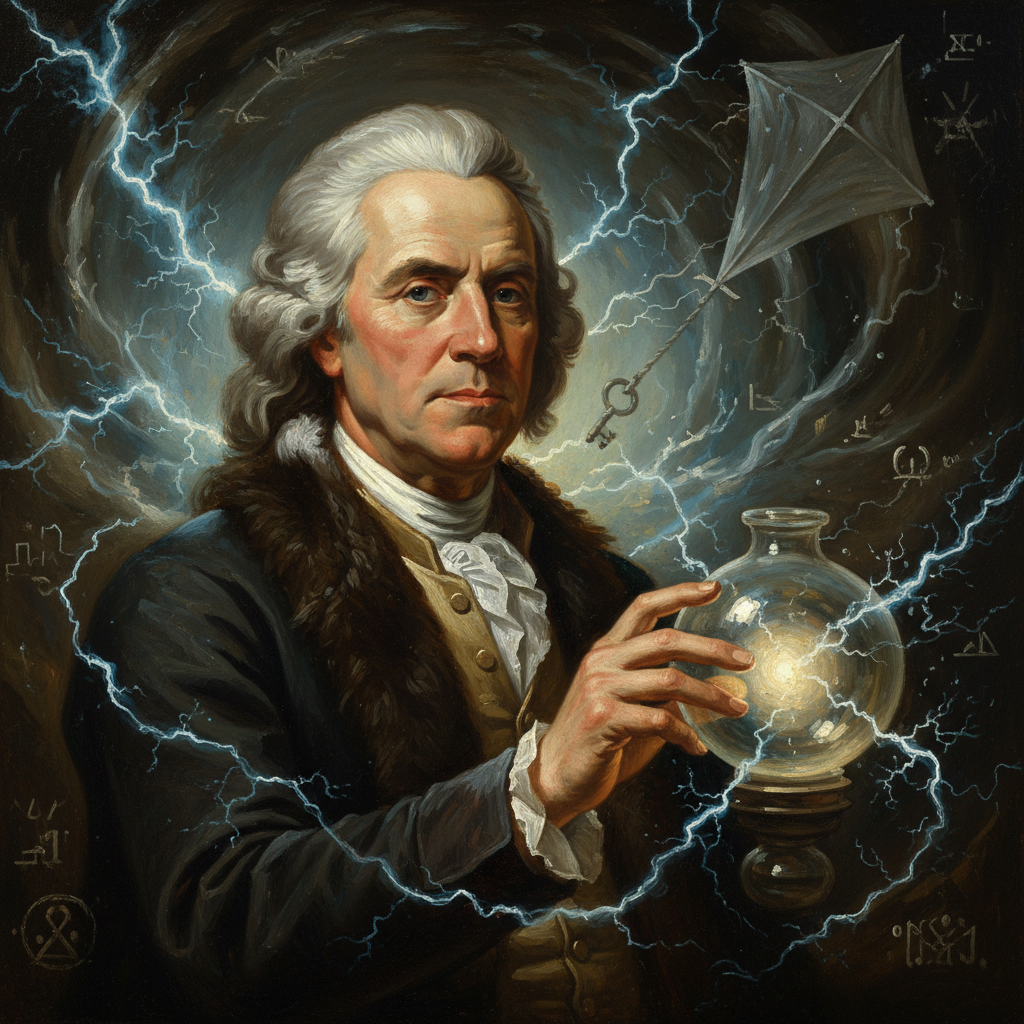
Benjamin Franklin — "He that is rich, has many friends."
He that is rich, has many friends.
He that is rich, has many friends.
Click any product to generate a realistic preview. Up to 3 at a time.
* Initial load can take up to 90 seconds — revising the preview in another color is nearly instant.
"An old young man will be a young old man."
"He that doth much at once, doth little well."
"Without vanity, without an ostentatious display of learning, and without any other object than the good of the public, he is always ready to communicate his knowledge to others."
"He that can have patience can have what he will."
"Tell me and I forget, teach me and I may remember, involve me and I learn."
Polymath Founding Father, diplomat, and Poor Richard's Almanack author who helped draft the Declaration of Independence and the Constitution. Closely associated with John Adams (fellow Founder, Massachusetts statesman) and Thomas Jefferson (fellow Declaration drafter). For an intellectual contrast, see Thomas Hutchinson, last royal governor of colonial Massachusetts — Franklin leaked Hutchinson's loyalist correspondence to Boston in 1772 to inflame revolutionary sentiment — Hutchinson represented the colonial-aristocrat crown-loyalty that Franklin's revolution was organized to dismantle.
Found in 1 providers: grok
1 source checked
Wealth attracts company. This cynical observation notes that people gravitate toward the prosperous — not out of genuine affection, but because the rich can offer material benefit, social advancement, or security. When money is present, companions multiply; when it disappears, so do they. It is a quiet warning to distinguish authentic friendship from the flattery and convenience that follow a full purse rather than real character.
Franklin rose from Boston printer's apprentice to one of colonial America's wealthiest and most connected men, building his fortune through the Pennsylvania Gazette and Poor Richard's Almanack. He understood social dynamics from both poverty and prosperity. His Almanack repeatedly warned readers about fair-weather acquaintances, and Franklin himself navigated courts, salons, and legislatures where wealth and influence were inseparable, giving him firsthand knowledge of how money shapes human loyalty.
Colonial America's 18th-century economy was shifting from landed gentry toward a rising merchant and professional class. With no formal banking safety nets, attaching oneself to a wealthy patron was a genuine survival strategy. Patronage networks governed business contracts, political appointments, and civic status. Philadelphia's coffeehouses and social clubs blurred the line between commerce and friendship, making Franklin's sharp observation about wealth-driven loyalty both pragmatic wisdom and a pointed social critique of his era.
AI-generated insights based on extensive research and information for context. Factual errors? Email [email protected].
Your cart is empty