Laozi — "The people are hungry: it is because those in authority eat up too much in taxes…"
The people are hungry: it is because those in authority eat up too much in taxes.
The people are hungry: it is because those in authority eat up too much in taxes.
Click any product to generate a realistic preview. Up to 3 at a time.
* Initial load can take up to 90 seconds — revising the preview in another color is nearly instant.
"The world is a sacred vessel. It cannot be controlled. Those who try to control it will ruin it. Those who try to grasp it will lose it."
"Govern a state by justice, wage war by surprise, and take the world by doing nothing."
"Govern a great nation as you would cook a small fish. (Do not overdo it.)"
"The Tao is always nameless. When it is carved, it becomes names. As soon as there are names, know that it is time to stop. Knowing when to stop, one can be free from danger."
"Great acts are made up of small deeds."
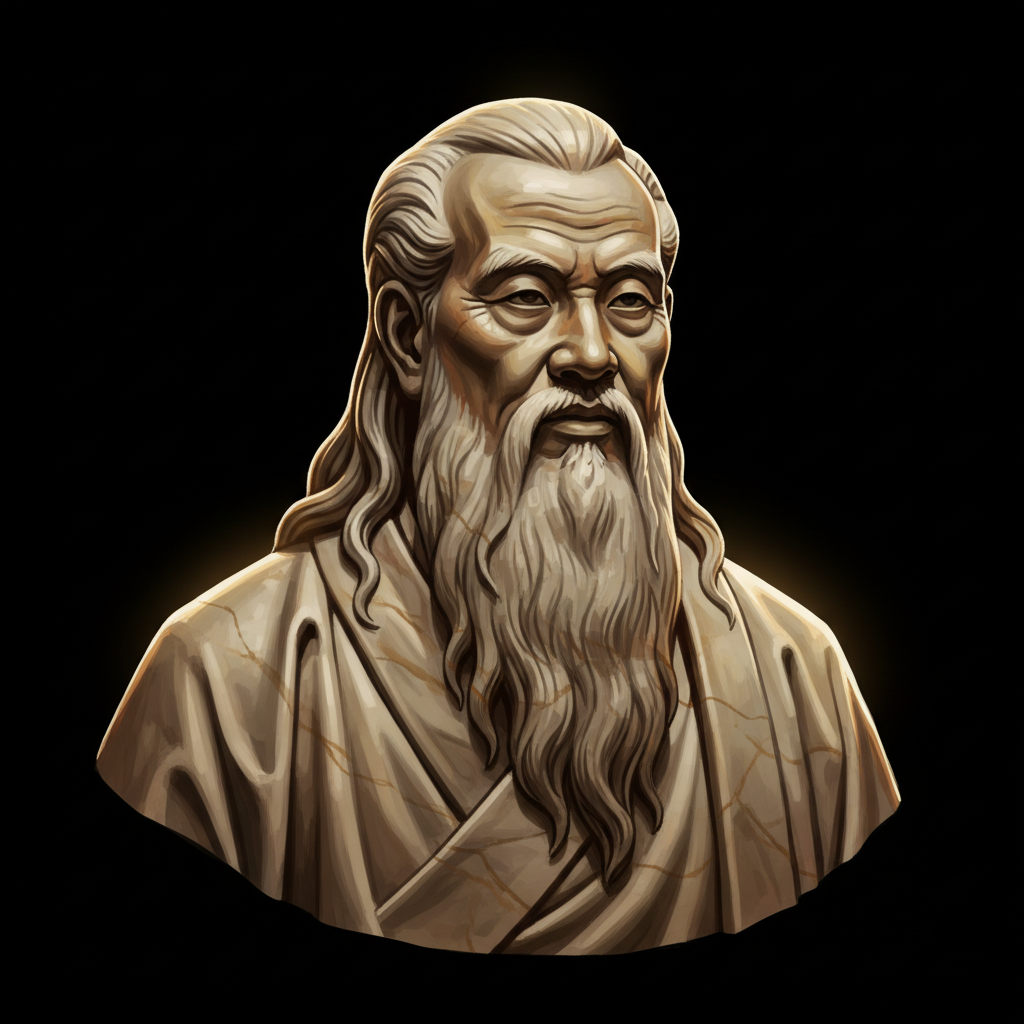
Reputed founder of Taoism and author of the Tao Te Ching, whose wu wei (effortless action) shaped East Asian philosophy. Closely associated with Zhuangzi (later Taoist who extended Laozi's framework). For an intellectual contrast, see Confucius, near-contemporary Chinese sage of social ritual and duty — Confucius systematized social order through ritual and hierarchy; Laozi argued that all such systems were the disease, not the cure — the two founding poles of Chinese moral philosophy.
Found in 1 providers: deepseek
1 source checked
Widespread poverty and hunger among ordinary people are not accidents of nature or personal failings but the direct result of rulers extracting excessive wealth through heavy taxation. When those in power consume too much of what the population produces, there is simply not enough left for the workers who produced it. Economic suffering at the bottom traces back to greed at the top, and reducing the burden imposed by authority is the remedy.
Laozi served as a keeper of royal archives in the Zhou court, giving him a firsthand view of bureaucratic excess and the daily workings of government. Disillusioned by corruption and decline, he reportedly left civilization on a water buffalo. His Taoist philosophy champions wu wei, non-interference, and minimal governance, holding that rulers should act sparingly and trust natural order. This saying distills his conviction that heavy-handed authority creates the very suffering it claims to manage.
Laozi lived during the late Zhou dynasty, around the 6th century BCE, as centralized royal power fractured into warring feudal states. Lords levied crushing taxes and conscripted peasants for armies and construction, while famine and displacement spread across the countryside. Competing schools like Confucianism and Legalism debated how rulers should govern. Against this backdrop of exploitation and political experimentation, Laozi's critique of predatory taxation spoke directly to the lived misery of farmers funding endless aristocratic warfare.
AI-generated insights based on extensive research and information for context. Factual errors? Email [email protected].
Your cart is empty