What it means
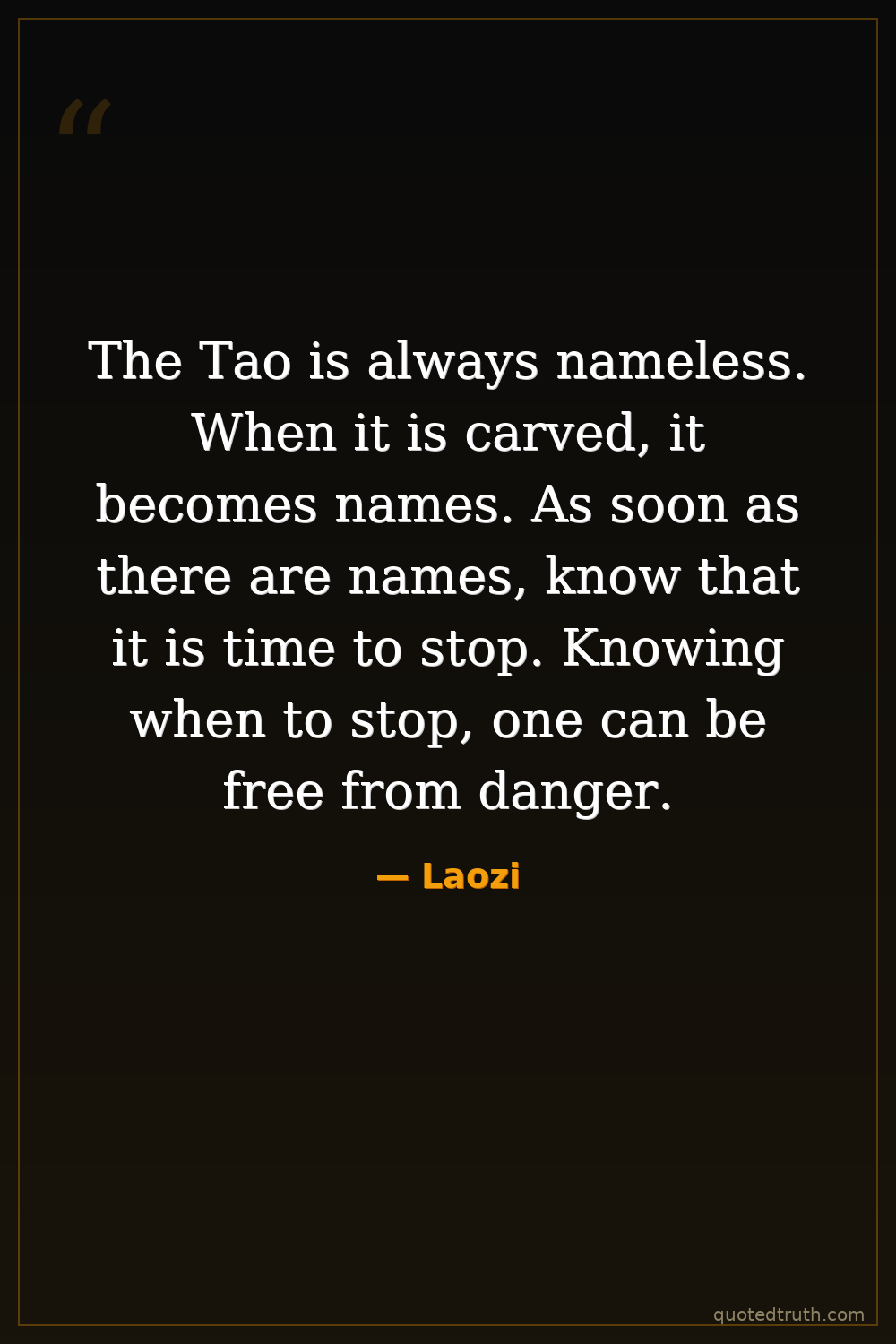
Reality in its raw form has no labels. The moment we name things, we carve the seamless whole into categories, rules, and identities. Names are useful tools, but they are not the thing itself, and chasing them endlessly creates conflict and confusion. Wisdom is recognizing when naming and classifying have gone far enough. Stop before the distinctions harden into rigid systems, and you avoid the trouble that comes from mistaking labels for truth.
Relevance to Laozi
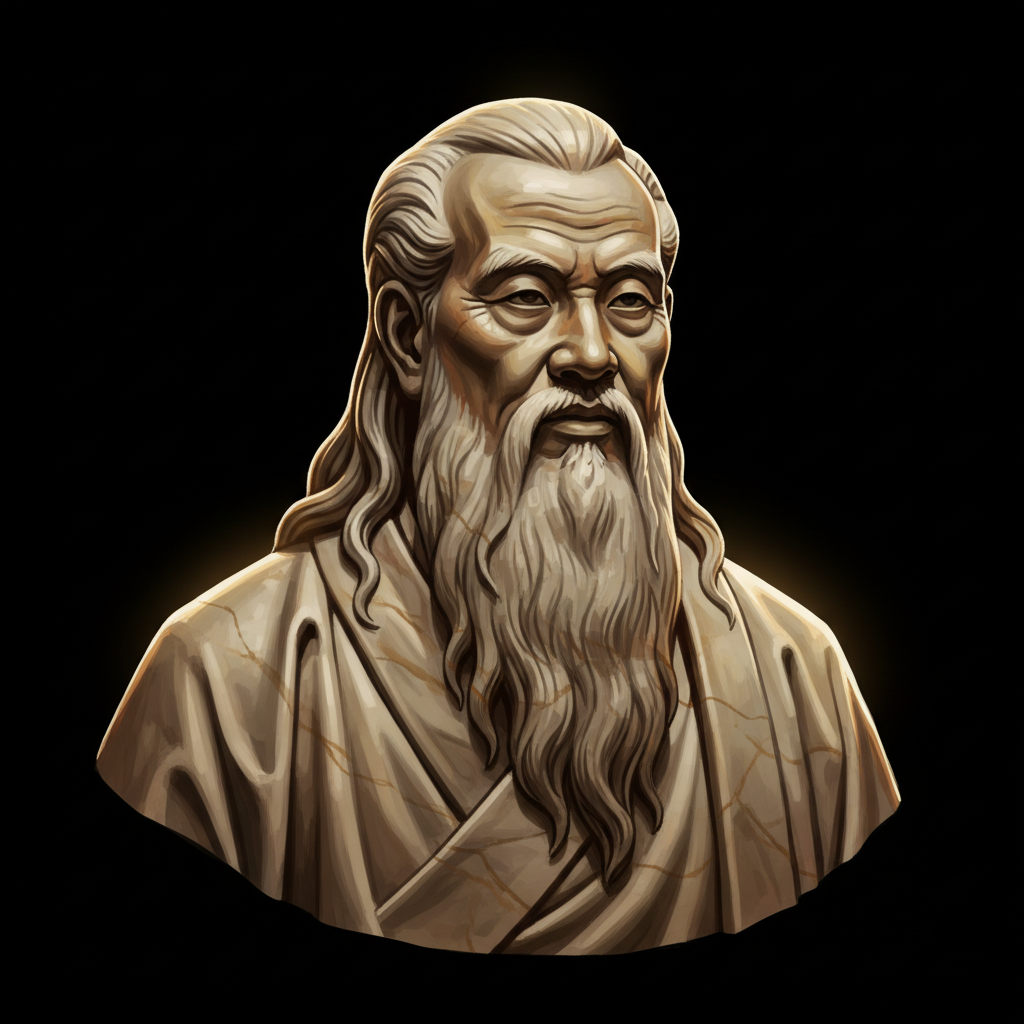
Laozi, credited founder of Taoism, famously opened the Tao Te Ching by declaring the true Tao cannot be named. As a reclusive archivist in the Zhou royal library, he watched scholars and officials drown in titles, rituals, and bureaucratic categories. His response was to champion the nameless, uncarved block as the source of all things, and to teach that knowing limits, zhi zhi, protects life. This saying distills his core conviction.
The era
Laozi lived during the late Zhou dynasty around the 6th century BCE, as centralized authority crumbled and the Warring States era loomed. Rival schools, especially Confucians, pushed elaborate naming systems, ranks, rites, and titles, to restore order. Legalists would soon codify even harsher categories. Against this flood of definitions, Taoism offered a counterweight, urging rulers and sages to stop carving the world into names and return to the simple, flowing nature beneath them.
AI-generated insights based on extensive research and information for context. Factual errors? Email [email protected].