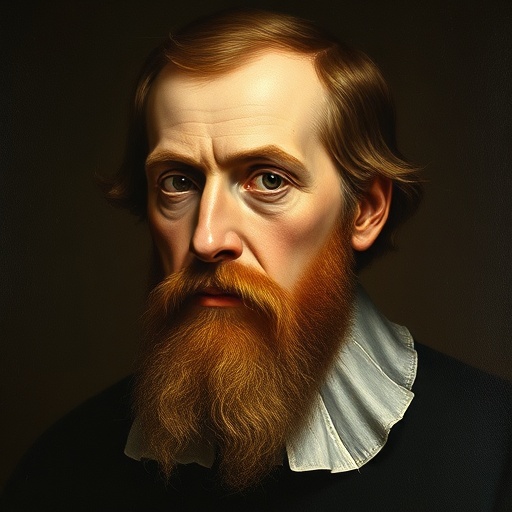
John Calvin — "The reprobate are like hardened clay, which, the more it is baked, the harder it…"
The reprobate are like hardened clay, which, the more it is baked, the harder it becomes.
The reprobate are like hardened clay, which, the more it is baked, the harder it becomes.
Click any product to generate a realistic preview. Up to 3 at a time.
* Initial load can take up to 90 seconds — revising the preview in another color is nearly instant.
"All who are truly godly desire to live a holy life."
"God will not suffer his truth to be obscured, but will always raise up some to maintain it."
"The elect are vessels of mercy, and the reprobate are vessels of wrath."
"We must live as if we were always in the presence of God."
"For the mind of man is so entirely alienated from the righteousness of God that it can neither conceive, desire, nor design anything but what is vicious, perverted, impure, and iniquitous."
French theologian whose Institutes of the Christian Religion (1536) systematized Protestant Reformed doctrine, including predestination. Closely associated with Martin Luther (Reformation founder, Calvin's predecessor). For an intellectual contrast, see Jacobus Arminius, Dutch Reformed theologian (1560-1609) — Arminius's rejection of strict double-predestination founded Arminianism — the theological tradition modern Methodism, most evangelicalism, and Pentecostalism descend from. The Calvinist-Arminian debate has divided Protestantism for 400 years.
Found in 1 providers: grok
1 source checked
This metaphor compares people God has not chosen for salvation — the reprobate — to clay hardening in a kiln. Exposure to heat makes clay permanently rigid; similarly, exposure to divine truth hardens unbelievers deeper into sin rather than converting them. Without God's intervening grace, the human heart doesn't remain neutral — it grows increasingly resistant. Calvin argues their damnation isn't unjust: their own nature ensures every encounter with God's word drives them further from it.
Calvin built his entire theological system around double predestination — God elects some for salvation and others for eternal damnation before birth, based solely on divine will. Leading Geneva's Protestant theocracy from 1541, he faced constant challenges to this doctrine as heartless. The clay metaphor defended it systematically: reprobates aren't condemned arbitrarily but harden by their own sinful nature. This mirrors Calvin's personality — methodical, relentless, uncompromising — and his belief that God's sovereign will admits no exceptions.
The 16th-century Reformation exploded Europe's unified Christian framework. Calvin wrote amid religious wars, mass executions of heretics, and fierce Protestant-Catholic conflict over salvation doctrine. Predestination became a theological flashpoint — Catholics called it unjust, fellow Protestants like Arminius later objected. Clay-working was ubiquitous in 1500s daily life, making the kiln metaphor immediately legible. Calvin published his Institutes of the Christian Religion in 1536, systematizing Reformed theology as princes chose Protestant or Catholic identity for entire nations.
AI-generated insights based on extensive research and information for context. Factual errors? Email [email protected].
Your cart is empty