What it means
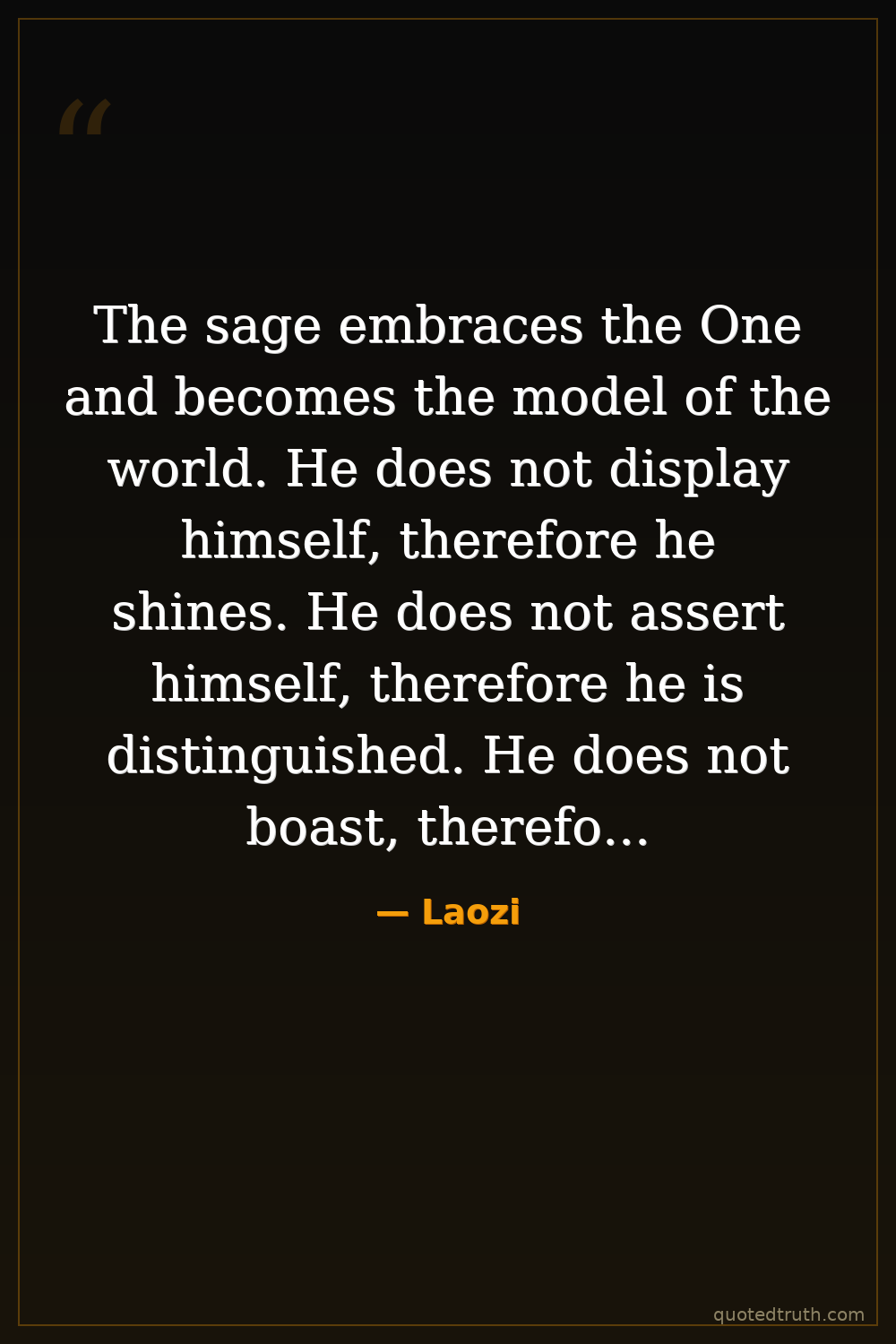
True influence comes from restraint, not self-promotion. When you stop showing off, people actually notice your worth. When you stop forcing your views, others respect your judgment. When you refuse to brag, credit flows to you naturally. When you avoid competing, you become unbeatable because no one has anything to push against. Quiet integrity outperforms loud ambition every time.
Relevance to Laozi
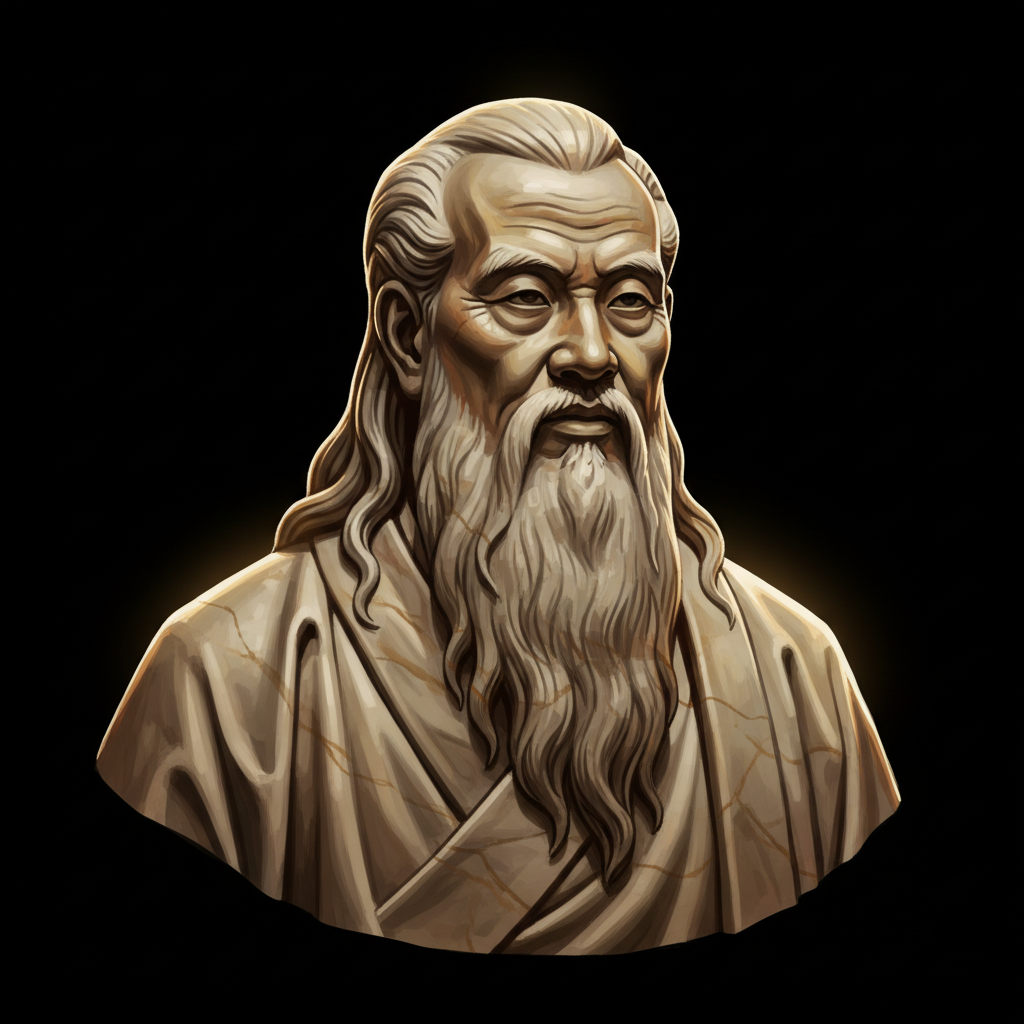
Laozi reportedly served as a quiet archivist in the Zhou court before withdrawing from public life entirely, choosing anonymity over recognition. His legendary departure through the western pass, writing the Tao Te Ching only when pressed, embodies this exact principle. He practiced non-contention by refusing the political maneuvering surrounding him, letting his ideas spread through withdrawal rather than advocacy.
The era
During the late Zhou dynasty's Warring States period, rival philosophers and strategists aggressively competed for court influence, advising rulers on conquest and statecraft. Confucians pushed ritual hierarchy; Legalists demanded harsh control. Against this backdrop of constant self-promotion and political scheming, Laozi's praise of invisibility and non-striving was radical counter-programming, offering exhausted aristocrats and officials an alternative to the era's cutthroat ambition.
AI-generated insights based on extensive research and information for context. Factual errors? Email [email protected].