What it means
Nature operates through mechanisms that defy human aesthetic preferences. What repels us can serve vital ecological functions. The same decay that disgusts humans signals food and reproduction to insects. Beauty and repulsion are human judgments imposed on a natural world indifferent to our sensibilities, where every adaptation, however foul-smelling, exists because it works.
Relevance to Carl Linnaeus
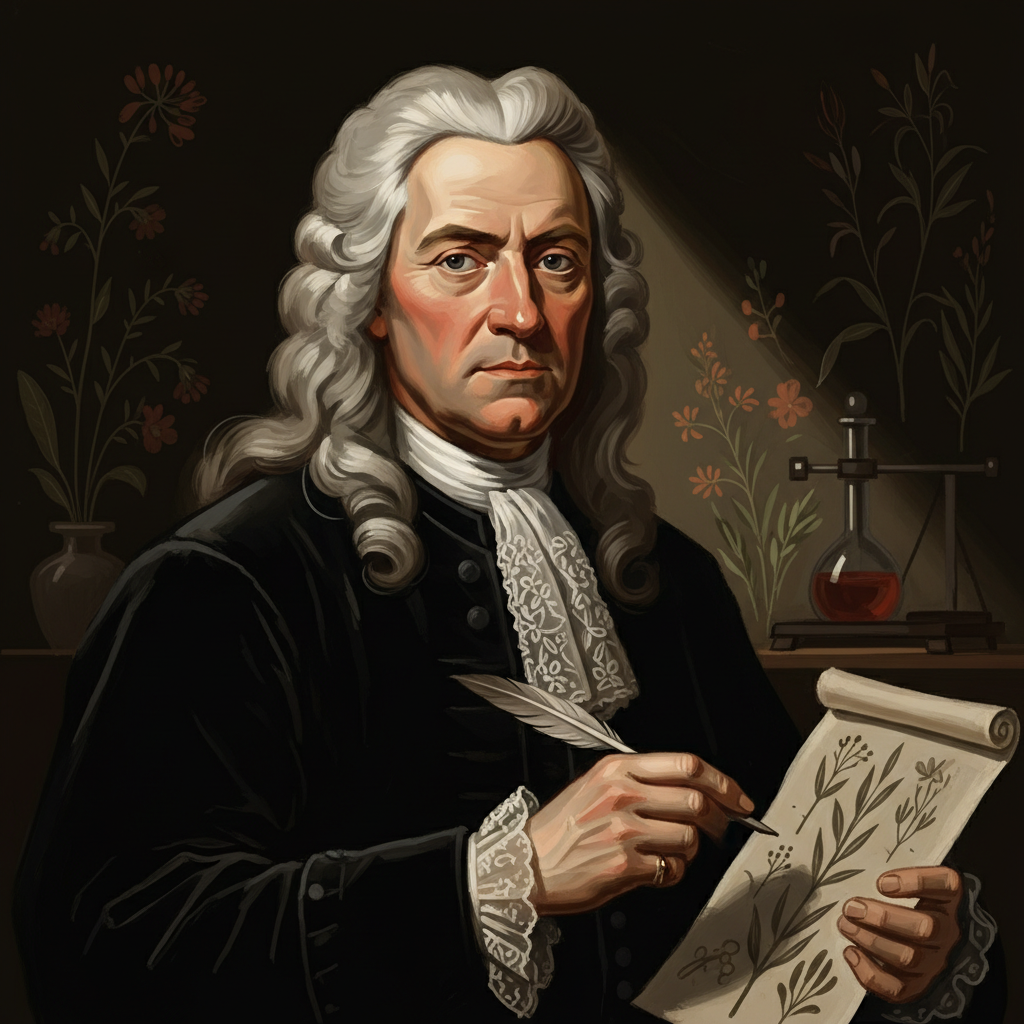
Linnaeus spent his life systematically cataloguing all living things, encountering organisms that challenged conventional notions of divine beauty in creation. His binomial nomenclature forced him to classify the grotesque alongside the sublime without hierarchy. Naming Amorphophallus titanum and similar plants required confronting that God's creation included stench and decay as legitimate biological strategies, not moral failures.
The era
The 18th century Enlightenment drove naturalists to reconcile scientific observation with religious doctrine holding nature as divinely ordered and beautiful. Linnaeus worked during a period when European scholars still expected creation to reflect God's perfection. Discovering that pollination could depend on mimicking putrefaction challenged comfortable assumptions, forcing thinkers to separate natural function from human moral and aesthetic frameworks.
AI-generated insights based on extensive research and information for context. Factual errors? Email [email protected].