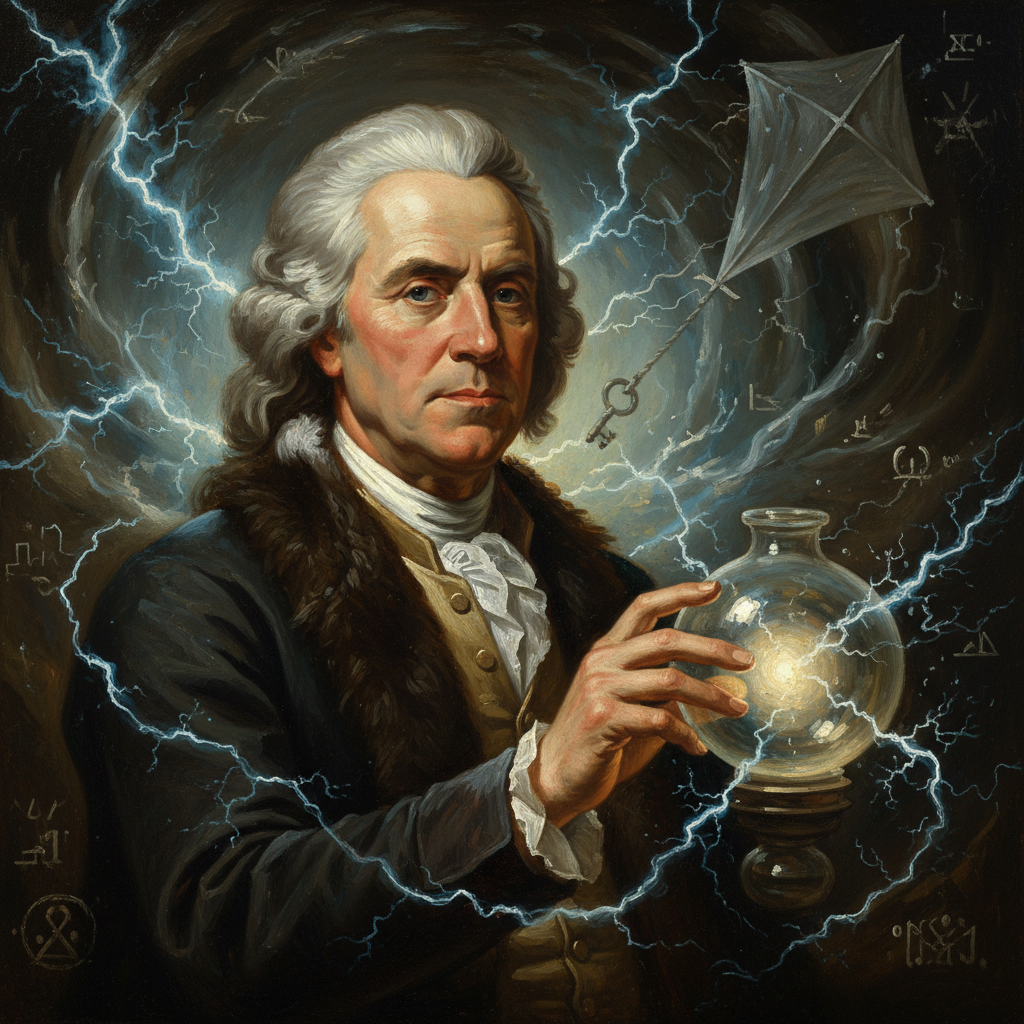
Benjamin Franklin — "The way to wealth, if you desire it, is as plain as the way to market. It depend…"
The way to wealth, if you desire it, is as plain as the way to market. It depends chiefly on two words, industry and frugality.
The way to wealth, if you desire it, is as plain as the way to market. It depends chiefly on two words, industry and frugality.
Click any product to generate a realistic preview. Up to 3 at a time.
* Initial load can take up to 90 seconds — revising the preview in another color is nearly instant.
"Never leave that till tomorrow which you can do today."
"A false friend and a shadow attend only while the sun shines."
"Shrewdness can turn one penny into two, but wisdom can turn a horse into a boy."
"Either write something worth reading or do something worth writing."
"Save a penny every year and you shall die a millionaire."
Polymath Founding Father, diplomat, and Poor Richard's Almanack author who helped draft the Declaration of Independence and the Constitution. Closely associated with John Adams (fellow Founder, Massachusetts statesman) and Thomas Jefferson (fellow Declaration drafter). For an intellectual contrast, see Thomas Hutchinson, last royal governor of colonial Massachusetts — Franklin leaked Hutchinson's loyalist correspondence to Boston in 1772 to inflame revolutionary sentiment — Hutchinson represented the colonial-aristocrat crown-loyalty that Franklin's revolution was organized to dismantle.
Found in 1 providers: grok
1 source checked
Building wealth isn't mysterious or reserved for the privileged — it's achievable through two consistent habits: hard work and saving. Industry means sustained, disciplined effort; frugality means spending less than you earn and avoiding waste. The market analogy makes it concrete: just as everyone knows how to reach the local market, everyone has access to the same proven path toward financial security.
Franklin embodied this maxim. Born the 15th of 17 children to a Boston candlemaker, he taught himself through voracious reading and built Philadelphia's most successful printing business through relentless effort and careful spending — retiring financially independent at 42. He published Poor Richard's Almanack for 26 years specifically to spread this practical wisdom to tradesmen and farmers, making him both author and living proof of the principle.
Colonial America had no accessible banks or credit markets, and inherited wealth largely determined one's station in life. Economic thought centered on mercantilism, treating wealth as a fixed national resource rather than something individuals could grow. With literacy rising and almanacs serving as the era's primary mass media, Franklin's message was radical: financial improvement was behavioral, available to any hardworking artisan, farmer, or tradesman regardless of birth.
AI-generated insights based on extensive research and information for context. Factual errors? Email [email protected].
Your cart is empty