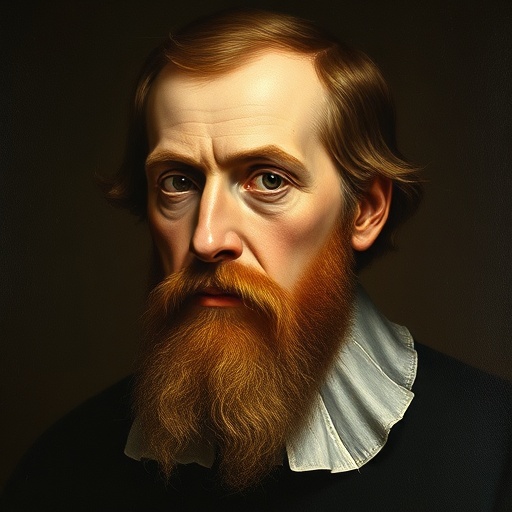
John Calvin — "The wicked are a kind of chaff, that the wind driveth away."
The wicked are a kind of chaff, that the wind driveth away.
The wicked are a kind of chaff, that the wind driveth away.
Click any product to generate a realistic preview. Up to 3 at a time.
* Initial load can take up to 90 seconds — revising the preview in another color is nearly instant.
"The whole sum of Christian philosophy is contained in these two points: the knowledge of God and of ourselves."
"The best way to overcome evil is to do good."
"Ignorance is the mother of superstition."
"All are not created on equal terms, but some are preordained to eternal life, others to eternal damnation; and, accordingly, as each has been created for one or other of these ends, we say that he has…"
"There is no worse screen to block out the Spirit than confidence in our own intelligence."
French theologian whose Institutes of the Christian Religion (1536) systematized Protestant Reformed doctrine, including predestination. Closely associated with Martin Luther (Reformation founder, Calvin's predecessor). For an intellectual contrast, see Jacobus Arminius, Dutch Reformed theologian (1560-1609) — Arminius's rejection of strict double-predestination founded Arminianism — the theological tradition modern Methodism, most evangelicalism, and Pentecostalism descend from. The Calvinist-Arminian debate has divided Protestantism for 400 years.
Found in 1 providers: grok
1 source checked
The metaphor compares the wicked to chaff — the lightweight, worthless husk stripped from grain during threshing. Unlike solid wheat that can be gathered and stored, chaff has no substance and is blown away effortlessly by wind. In modern terms: immoral people ultimately have no lasting foundation or permanence. Their choices leave them rootless and vulnerable, easily swept aside by circumstances or divine judgment, while the righteous endure.
Calvin's theology centered on predestination — God elects some for salvation, condemning the rest as reprobate. This image directly reflects that framework. As Geneva's reformer, Calvin wrote extensive Psalm commentaries, and Psalm 1 specifically uses this chaff metaphor. He also enforced strict moral governance in Geneva, expelling those deemed corrupt. For Calvin, wickedness wasn't merely moral failure but visible evidence of one's status among the unredeemed.
The Protestant Reformation of the 16th century shattered medieval Christianity's unity. Questions of salvation, election, and moral legitimacy consumed European society. In Calvin's Geneva, church and civic authority intertwined — the wicked could be literally expelled or punished by the Consistory. Agricultural metaphors resonated with largely rural populations. The chaff-versus-grain image also spoke to fierce debates about who truly belonged to God's redeemed community versus those corrupting the church.
AI-generated insights based on extensive research and information for context. Factual errors? Email [email protected].
Your cart is empty