What it means
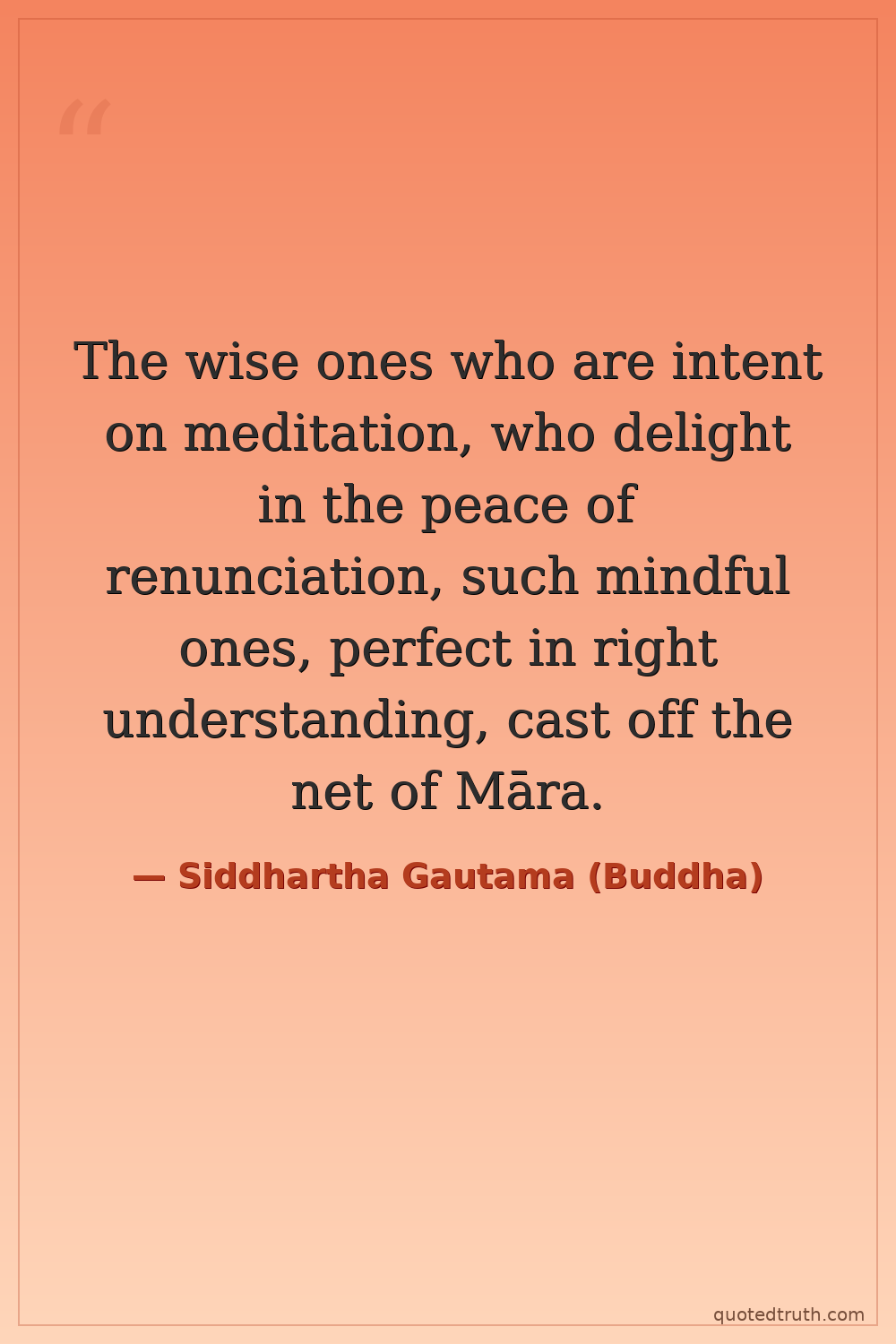
People who seriously practice meditation and find joy in letting go of worldly attachments develop sharp awareness and clear thinking. With this mental discipline, they escape the traps of temptation, illusion, and distraction that normally keep people stuck. The quote says sustained mental training plus simple living equals freedom from the forces that pull minds into suffering, craving, and confused reactions to daily life.
Relevance to Siddhartha Gautama (Buddha)
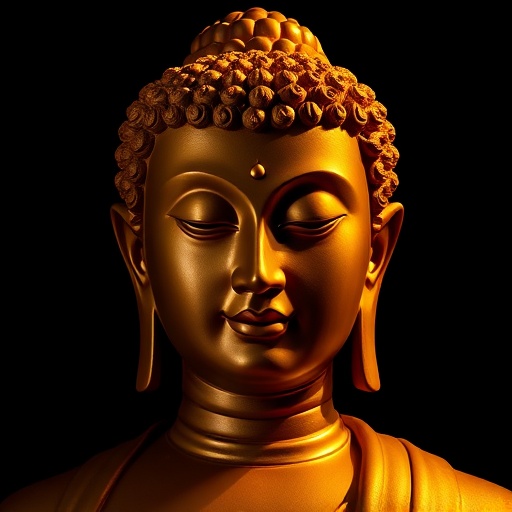
Buddha left his royal palace at 29 to pursue renunciation, spent six years as a wandering ascetic, and achieved enlightenment through meditation under the Bodhi tree, famously resisting Māra's temptations during that night. Mindfulness, right understanding, and liberation from Māra sit at the core of his Eightfold Path teaching. This verse from the Dhammapada reflects his own lived path from prince to awakened teacher guiding monastic disciples.
The era
In 5th-6th century BCE northern India, the Shramana movement was challenging Vedic Brahmin ritual authority, and wandering ascetics like Mahavira and Buddha offered alternative paths to liberation. Urbanizing kingdoms along the Ganges created social disruption that drew spiritual seekers. Meditation practices were being systematized across competing traditions, and renunciation of caste and household life was a radical, growing response to Vedic sacrificial religion and the emerging question of how to escape rebirth.
AI-generated insights based on extensive research and information for context. Factual errors? Email [email protected].