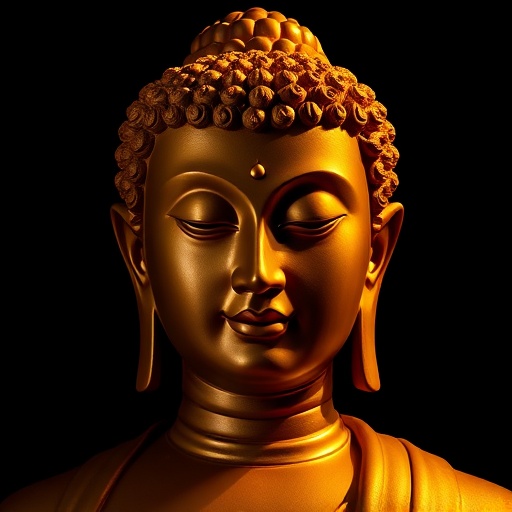
Siddhartha Gautama (Buddha) — "If you light a lamp for someone else, it will also brighten your own path."
If you light a lamp for someone else, it will also brighten your own path.
If you light a lamp for someone else, it will also brighten your own path.
Click any product to generate a realistic preview. Up to 3 at a time.
* Initial load can take up to 90 seconds — revising the preview in another color is nearly instant.
"To keep the body in good health is a duty... otherwise we shall not be able to keep our mind strong and clear."
"It is during our darkest moments that we must focus to see the light."
"The virtues, like the Muses, are always seen in groups. A good principle was never found solitary in any breast."
"If you meet the Buddha on the road, kill him."
"To enjoy good health, to bring true happiness to one's family, to bring peace to all, one must first discipline and control one's own mind. If a man can control his mind he can find the way to Enlight…"
Attributed, often cited in various Buddhist texts and teachings.
Date: c. 5th century BCE
WisdomFound in 1 providers: grok
1 source checked
Helping another person improves your own life too. When you offer guidance, kindness, or support to someone navigating difficulty, the benefit flows back to you. The act of giving light—clarity, compassion, or practical aid—does not diminish what you have. Instead, it illuminates your own way forward, revealing purpose, connection, and understanding that selfish isolation cannot provide. Generosity is self-sustaining, not self-depleting.
The Buddha taught that compassion (karuna) and loving-kindness (metta) are central to awakening. After his enlightenment under the Bodhi tree, he spent 45 years wandering northern India teaching others, believing liberation was not a private possession but something meant to be shared. This lamp metaphor mirrors his core conviction that helping beings escape suffering is inseparable from one's own spiritual progress along the Eightfold Path.
In 5th-century BCE India, the rigid Vedic caste system restricted spiritual knowledge to Brahmin priests who guarded sacred teachings. The Buddha radically democratized wisdom, teaching openly to farmers, outcastes, merchants, and kings alike in the vernacular Magadhi rather than elite Sanskrit. This was a turbulent era of urbanization, new kingdoms, and competing shramana movements questioning tradition, making the idea of freely sharing enlightenment with others genuinely revolutionary.
AI-generated insights based on extensive research and information for context. Factual errors? Email [email protected].
Your cart is empty