What it means
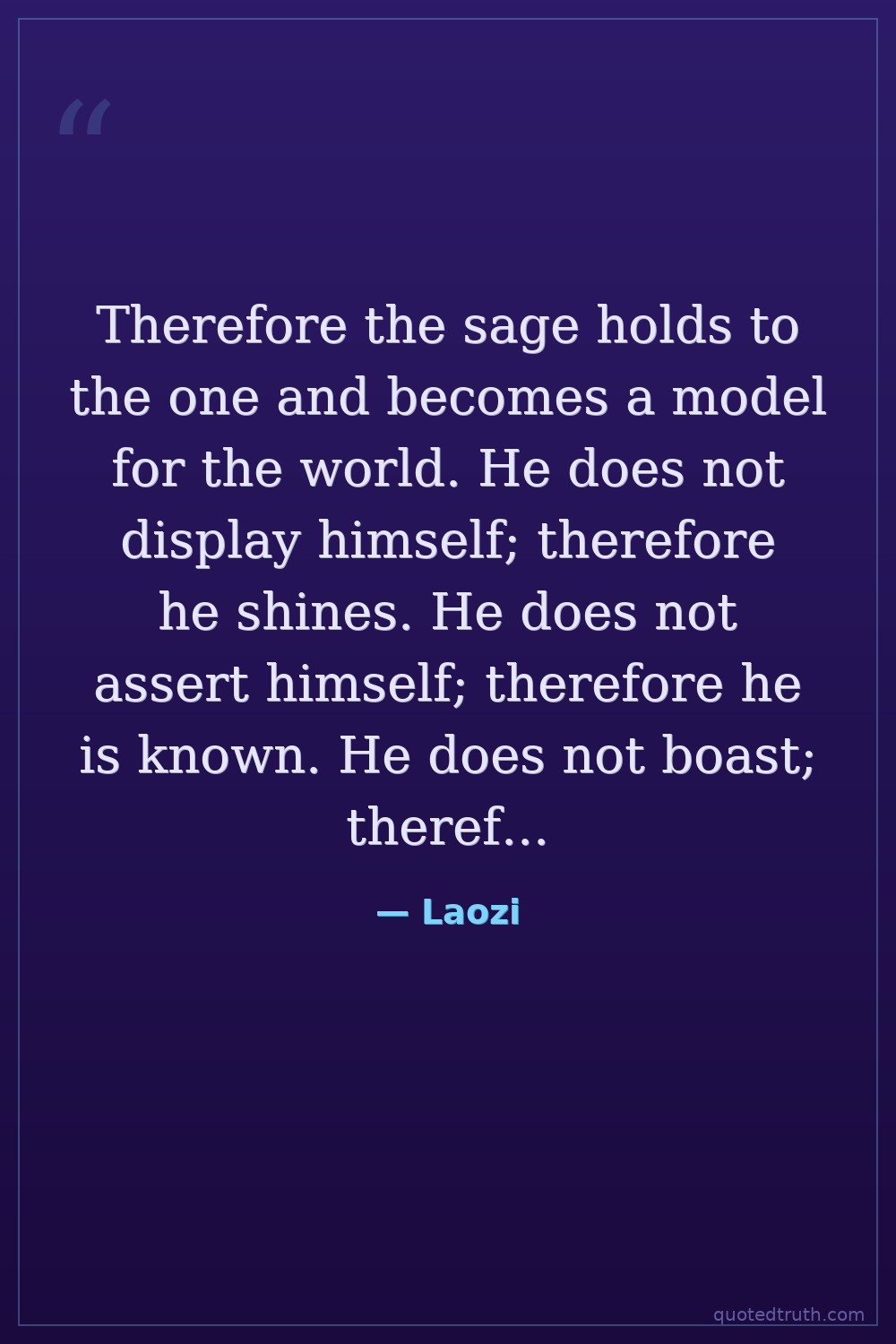
True influence comes from restraint, not self-promotion. By staying grounded in a single guiding principle and refusing to show off, push agendas, brag, or fight for position, a person earns genuine recognition, credit, and respect. Paradoxically, stepping back makes you stand out; releasing the need to win removes anyone's ability to defeat you. Quiet integrity outperforms loud striving because it gives others nothing to resist.
Relevance to Laozi
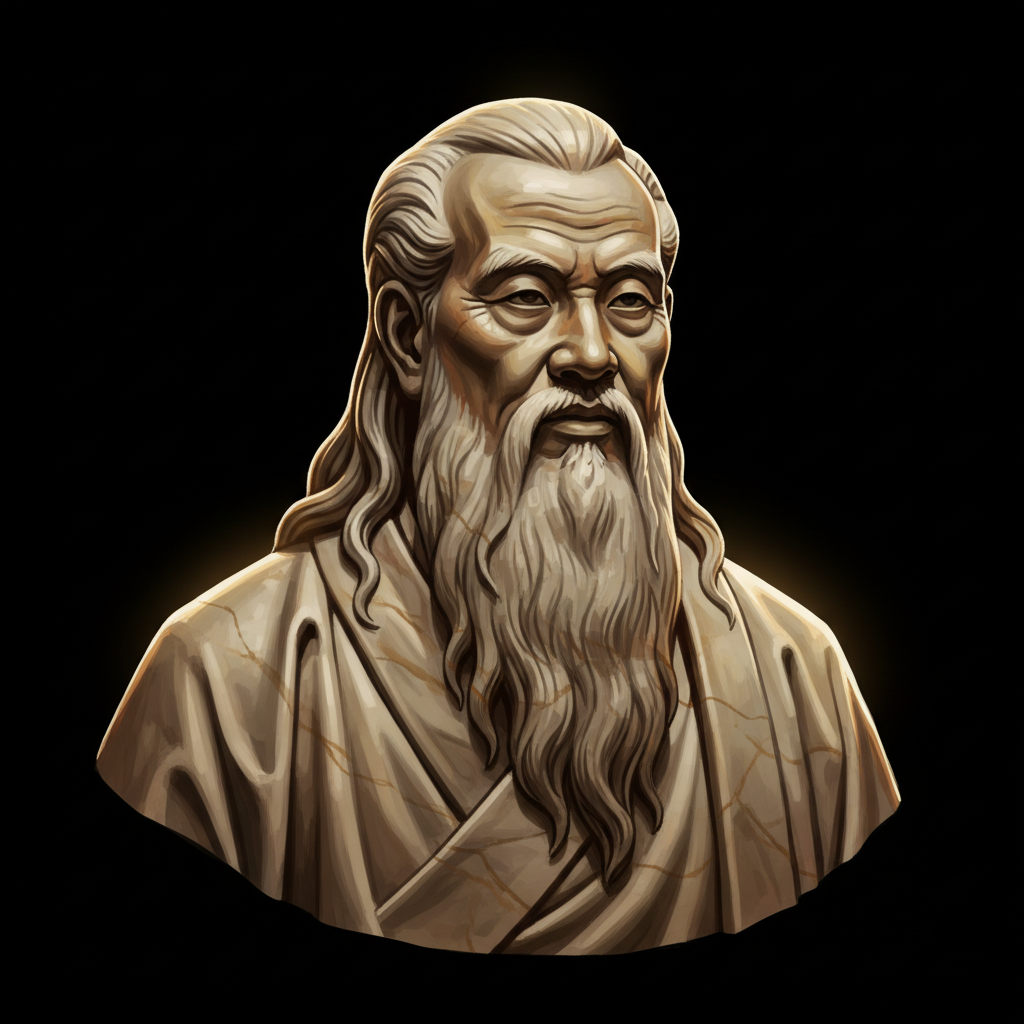
Laozi, traditionally a reclusive archivist at the Zhou royal court, reportedly left society disillusioned with political posturing and careerism. This saying mirrors his documented withdrawal and his core teaching of wu wei, effortless non-action. As the founder of Taoism, he consistently taught that the wise yield rather than compete, valuing humility, simplicity, and hiddenness over reputation, titles, or the self-assertion expected of court officials and scholars of his time.
The era
Laozi lived during the late Zhou dynasty (roughly 6th century BCE), an era sliding toward the Warring States period when rival lords, ambitious ministers, and itinerant scholars competed aggressively for influence, land, and prestige. Confucian ethics of active public service dominated debate. Against this backdrop of relentless striving and self-promotion, Laozi's praise of the non-contending sage was a radical counter-cultural rebuke, offering retreat and humility as alternatives to the era's political chaos.
AI-generated insights based on extensive research and information for context. Factual errors? Email [email protected].