What it means
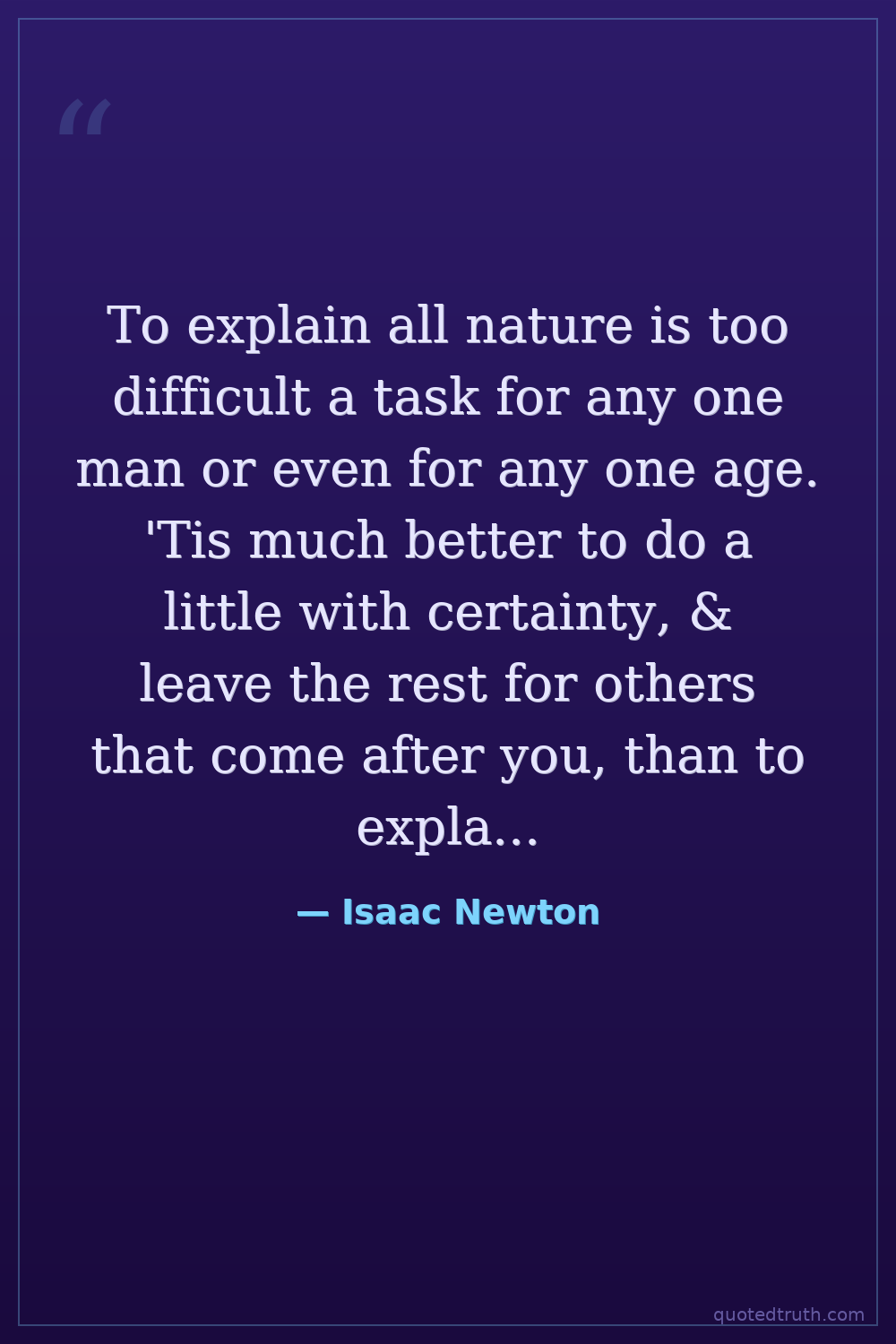
Science advances through careful, verifiable steps—not bold guesses. It's better to establish a few things with certainty and pass the unfinished work to future generations than to construct sweeping explanations that rest on shaky ground. Intellectual humility is a feature, not a weakness. One person, one era, cannot know everything. Progress is cumulative, built by many hands across time.
Relevance to Isaac Newton
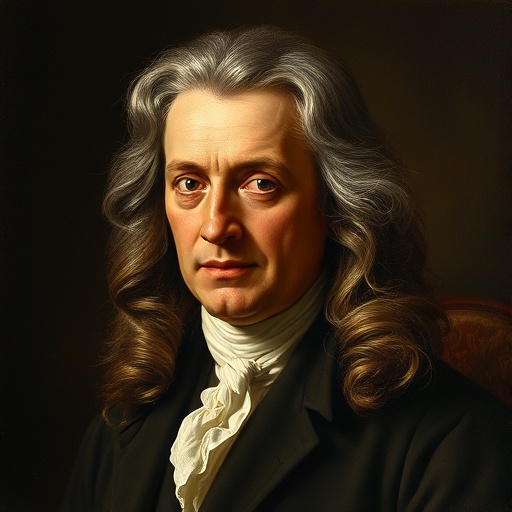
Newton embodied this philosophy—his famous declaration "hypotheses non fingo" (I feign no hypotheses) meant he described gravity's measurable effects mathematically without speculating about its underlying mechanism. He spent decades refining narrow problems in optics, motion, and calculus before publishing, and even then withheld much work for years. His Principia demonstrated laws without claiming to explain why gravity exists—certainty over speculation, exactly as he preached.
The era
The 17th century saw natural philosophers racing to explain all of creation—Descartes built elaborate vortex theories, Leibniz proposed metaphysical systems. Grand speculative frameworks were fashionable. Newton's era also witnessed the rise of the Royal Society, whose motto "Nullius in verba" rejected authority in favor of empirical evidence. Against this backdrop of ambitious system-building, Newton's call for careful, piecemeal certainty was a deliberate and disciplined counterculture.
AI-generated insights based on extensive research and information for context. Factual errors? Email [email protected].