What it means
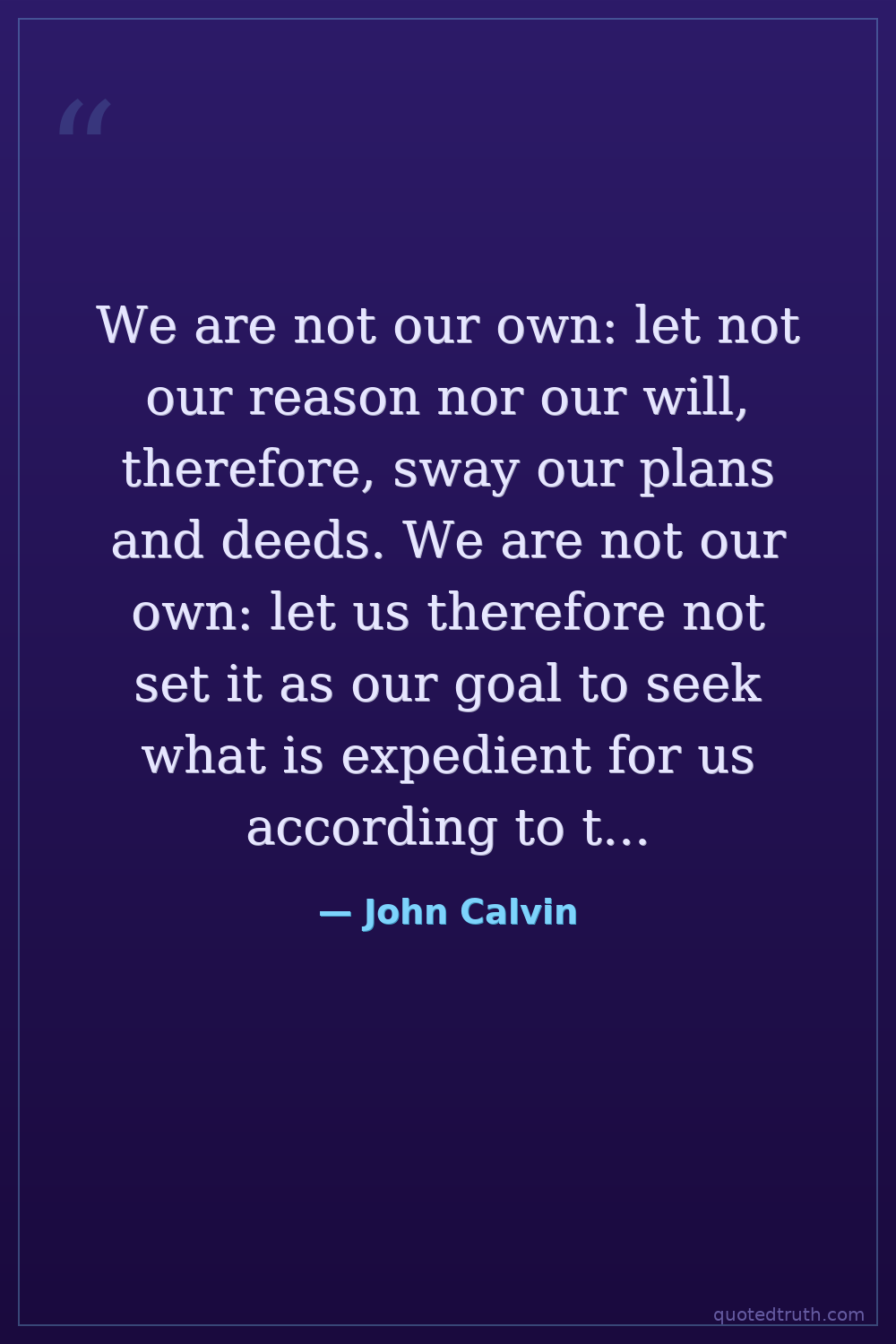
Stop treating yourself as the center of your own universe. Your thinking and your desires shouldn't be the compass guiding your choices. Don't chase what feels personally comfortable or physically advantageous. Real wisdom means surrendering self-interest as the primary motive and recognizing that your life belongs to something larger than your own appetites and ambitions.
Relevance to John Calvin
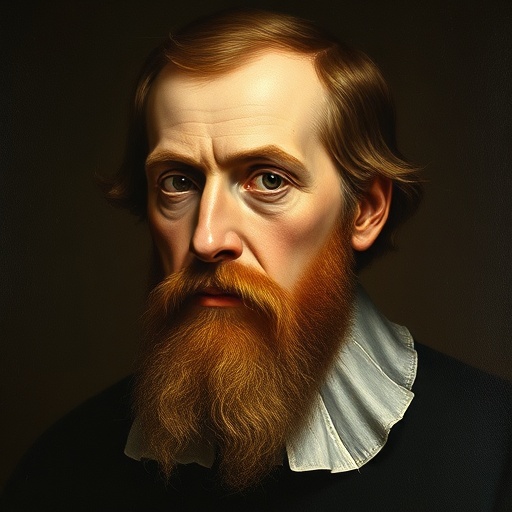
Calvin built his entire theology around God's absolute sovereignty and human unworthiness. He famously disciplined Geneva with strict moral codes, subordinating personal freedom to divine will. His Institutes of the Christian Religion systematically argued against human self-sufficiency. He personally sacrificed comfort, enduring exile and relentless controversy, embodying his belief that self-denial was the foundation of genuine Christian life.
The era
The Protestant Reformation shattered medieval Catholicism's institutional authority, leaving Europeans asking: who guides moral life now? Humanism was elevating human reason and individual dignity simultaneously. Calvin's answer pushed back hard against both Catholic ritualism and humanist self-confidence. In an era of religious wars, political instability, and theological fragmentation, his radical theocentric vision offered a counter-narrative to emerging individualism.
AI-generated insights based on extensive research and information for context. Factual errors? Email [email protected].