What it means
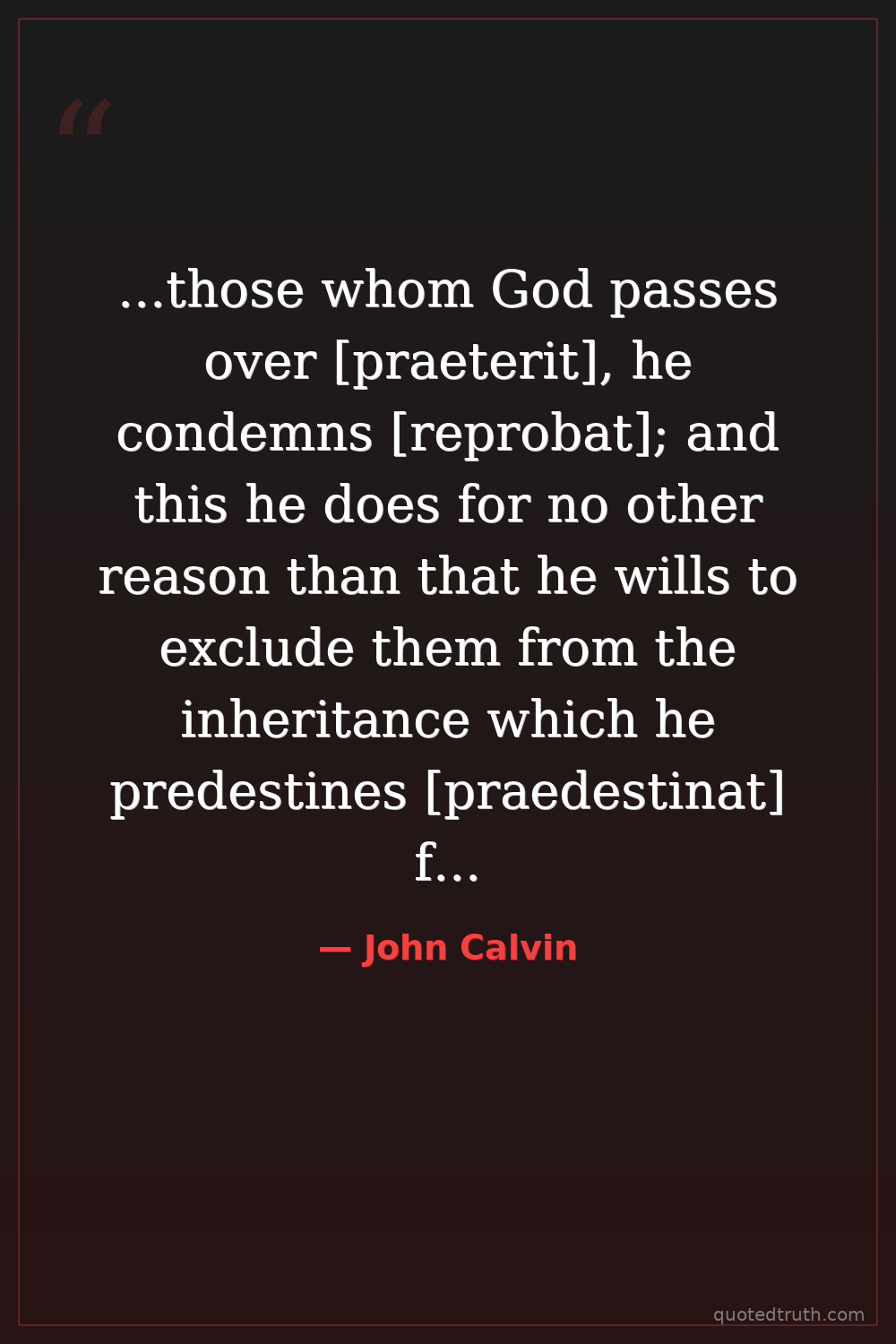
God does not merely allow some to perish — he deliberately passes over them, condemning them by the same sovereign will that saves the elect. This is Calvin's double predestination: both salvation and damnation are active divine choices, not reactions to human behavior or merit. Those excluded from God's inheritance are condemned for no reason beyond God's will to exclude them.
Relevance to John Calvin
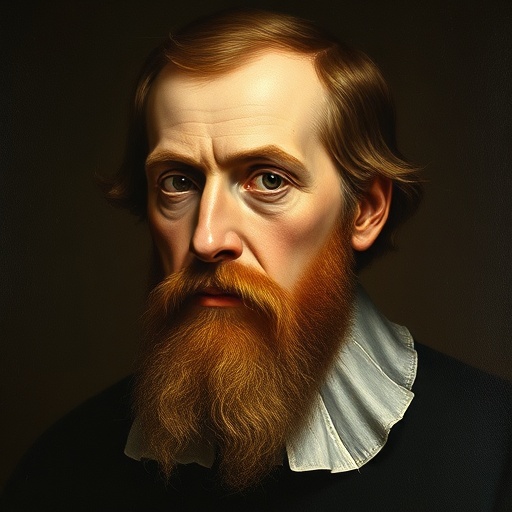
Calvin systematized Reformed theology in Geneva, where he held near-theocratic authority. His Institutes of the Christian Religion codified predestination as central to Protestant faith. He faced fierce opposition — even from fellow Protestants like Melanchthon — for this uncompromising position. Calvin believed softening double predestination was intellectual dishonesty: God's absolute sovereignty demanded acknowledging that divine rejection is as deliberate as divine election.
The era
The 16th-century Reformation shattered medieval Christianity's unified sacramental path to salvation. Luther's break with Rome opened fierce debates about grace, free will, and who controls salvation. Calvin wrote as the Council of Trent (1545–1563) was hardening Catholic doctrine on free will and merit. His radical predestinarianism staked out Reformed theology's distinctive ground against both Rome's sacramentalism and Lutheranism's more moderate view of election.
AI-generated insights based on extensive research and information for context. Factual errors? Email [email protected].