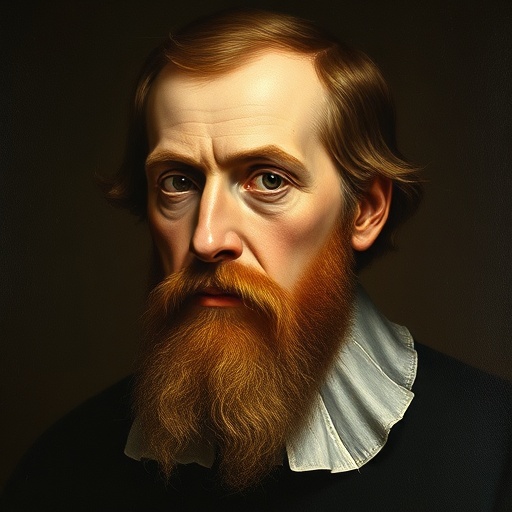
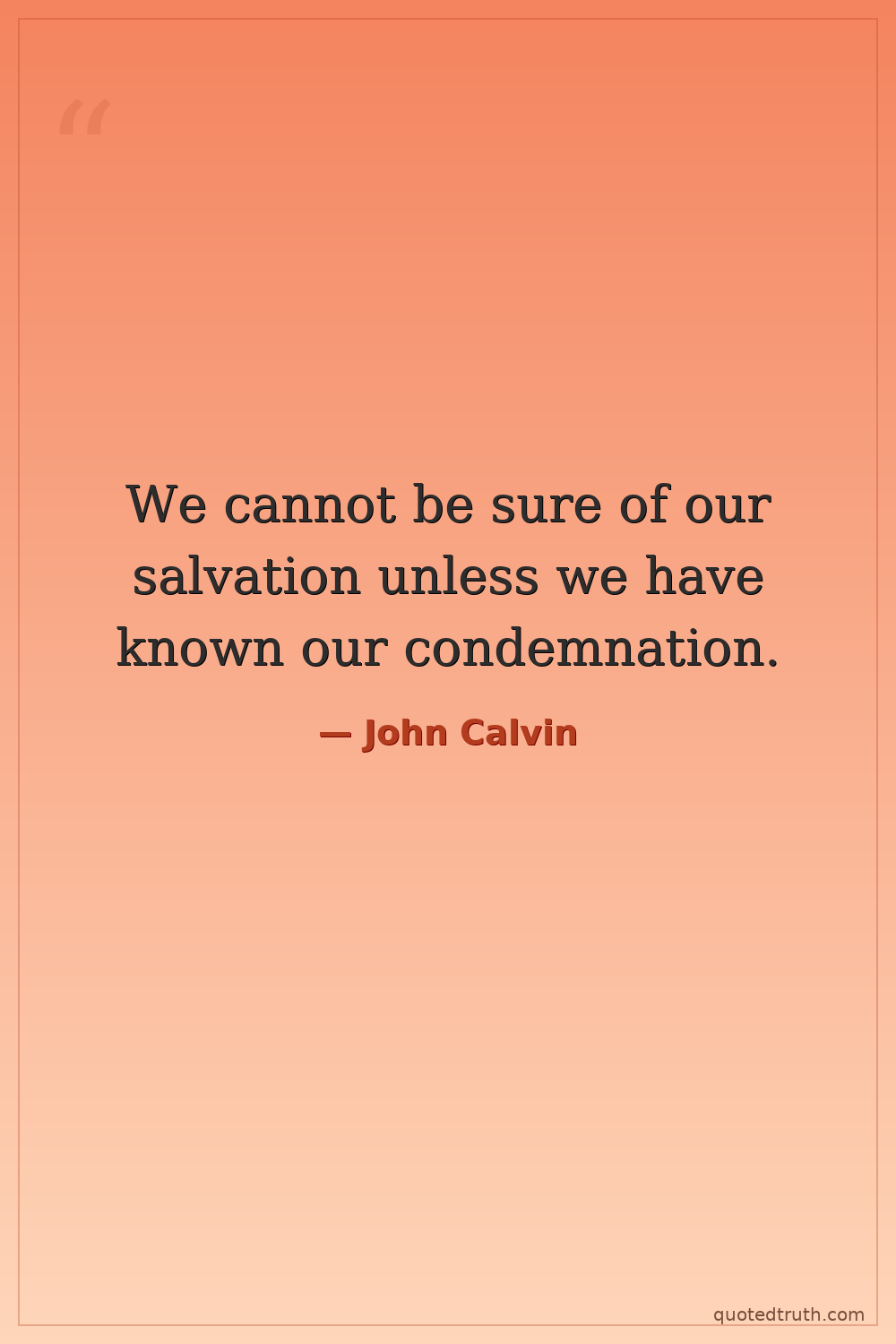
John Calvin — "We cannot be sure of our salvation unless we have known our condemnation."
We cannot be sure of our salvation unless we have known our condemnation.
We cannot be sure of our salvation unless we have known our condemnation.
Click any product to generate a realistic preview. Up to 3 at a time.
* Initial load can take up to 90 seconds — revising the preview in another color is nearly instant.
"The wicked are a kind of chaff, that the wind driveth away."
"Man's chief end is to glorify God and to enjoy him forever."
"God's justice or righteousness is manifest as the reprobate receive the eternal punishment they deserve."
"The gospel is the power of God unto salvation."
"The more we know God, the more we humble ourselves."
French theologian whose Institutes of the Christian Religion (1536) systematized Protestant Reformed doctrine, including predestination. Closely associated with Martin Luther (Reformation founder, Calvin's predecessor). For an intellectual contrast, see Jacobus Arminius, Dutch Reformed theologian (1560-1609) — Arminius's rejection of strict double-predestination founded Arminianism — the theological tradition modern Methodism, most evangelicalism, and Pentecostalism descend from. The Calvinist-Arminian debate has divided Protestantism for 400 years.
Found in 1 providers: grok
1 source checked
Genuine certainty about being saved requires first honestly confronting your own guilt and moral failure. Without recognizing how deeply broken and deserving of judgment you truly are, any sense of salvation remains shallow or presumptuous. Only when you fully grasp the weight of your condemnation — your actual spiritual condition without grace — can assurance of salvation feel real and certain rather than merely assumed or inherited from cultural habit.
Calvin's doctrine of Total Depravity held that sin corrupts every human faculty, leaving all people wholly deserving condemnation. His Institutes of the Christian Religion systematically argued authentic faith begins with self-examination revealing one's wretchedness. As Geneva's spiritual authority, he required rigorous self-examination before communion. His predestination theology demanded believers scrutinize whether they showed signs of election, making confrontation with potential condemnation foundational to any genuine assurance of being among the redeemed.
The Protestant Reformation shattered medieval Catholicism's sacramental assurance system, where indulgences and priestly absolution offered external certainty. Reformers like Calvin rejected these as fraudulent shortcuts. In an era when eternal damnation felt viscerally real and theological disputes were literally life-or-death — Calvin witnessed heretics burned and endured exile himself — the question of knowing salvation versus condemnation was not abstract philosophy but urgent existential reckoning reshaping communities, legal systems, and governments across sixteenth-century Europe.
AI-generated insights based on extensive research and information for context. Factual errors? Email [email protected].
Your cart is empty