What it means
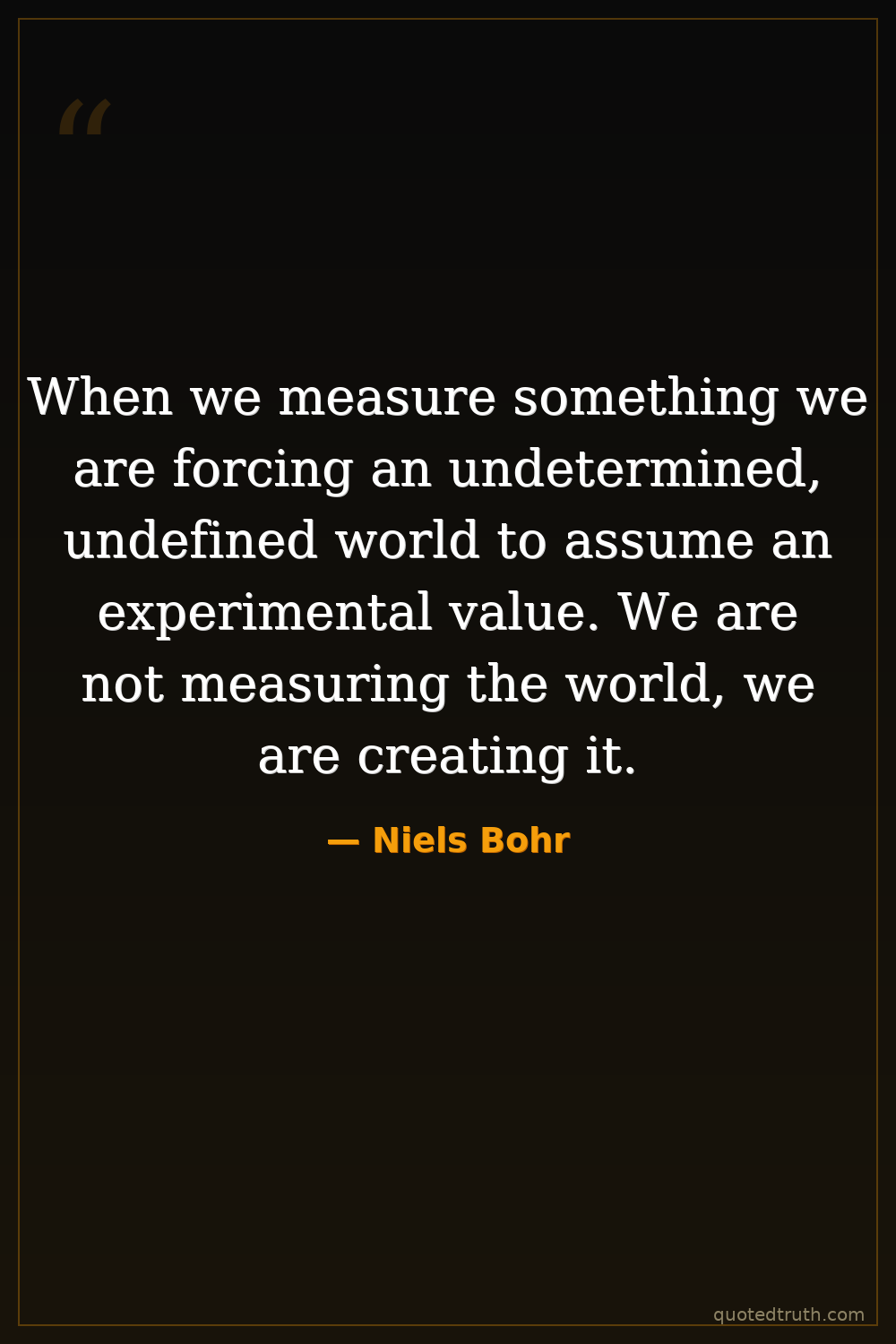
Reality at the quantum level has no fixed properties until observed. Before measurement, particles exist in superposition—genuinely undetermined, not merely unknown. The act of measuring collapses that ambiguity into a definite value. We don't discover a pre-existing answer; the question and its answer arise together through the experimental interaction. The observer and the observed are inseparable participants in creating what we call physical fact.
Relevance to Niels Bohr
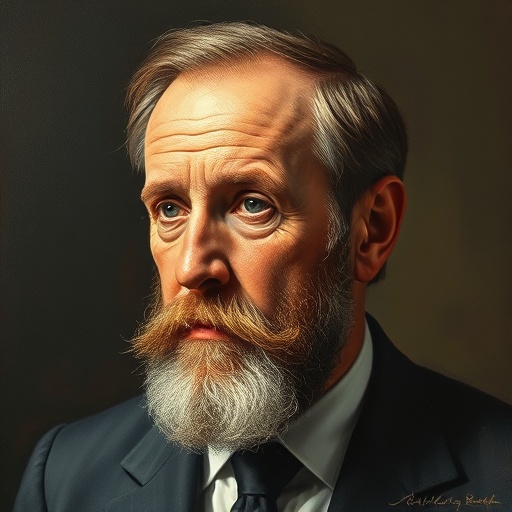
Bohr founded quantum mechanics' Copenhagen interpretation, which placed measurement and observation at the center of physics. He debated Einstein fiercely over whether quantum indeterminacy was fundamental or a gap in knowledge—Bohr insisted it was fundamental. His complementarity principle held that observation necessarily disturbs what is observed. This quote is essentially Bohr's worldview condensed: physics describes our interactions with nature, not nature independent of us.
The era
The 1920s–1930s saw quantum mechanics overturn classical determinism. Einstein's relativity had already shaken certainty, but quantum indeterminacy went further—nature itself seemed probabilistic. This unsettled physicists and philosophers alike, feeding debates about causality, free will, and the nature of reality. Bohr's Copenhagen interpretation shaped how generations of scientists understood the limits of objective knowledge amid rapid atomic and nuclear research advancing toward weaponization.
AI-generated insights based on extensive research and information for context. Factual errors? Email [email protected].