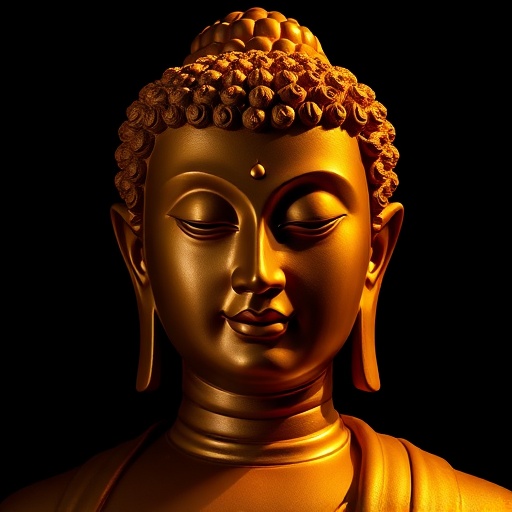
Siddhartha Gautama (Buddha) — "Give, even if you only have a little."
Give, even if you only have a little.
Give, even if you only have a little.
Click any product to generate a realistic preview. Up to 3 at a time.
* Initial load can take up to 90 seconds — revising the preview in another color is nearly instant.
"There is nothing more dreadful than the habit of doubt. Doubt separates people. It is a poison that disintegrates friendships and breaks up pleasant relations."
"One day, in the morning, having put on his undergarment and taken his outer robe and bowl, the Blessed One entered Sāvatthī for alms."
"Wear your ego like a loose garment."
"Believe nothing, no matter where you read it, or who said it, no matter if I have said it, unless it agrees with your own reason and your own common sense."
"Let him not despise what he has received, nor should he envy others. He who envies others does not obtain peace of mind."
Attributed, often cited in various Buddhist texts and teachings.
Date: c. 5th century BCE
WisdomFound in 1 providers: grok
1 source checked
Generosity is not reserved for the wealthy. Even when your own resources are limited, sharing what little you have matters. The act of giving carries value regardless of the amount, because it reflects openness, care, and willingness to put another's need alongside your own. Waiting until you have abundance to be generous misses the point; the habit and spirit of giving are what count, not the size of the gift.
Siddhartha abandoned royal wealth to live as a wandering ascetic, surviving on alms placed in his bowl by villagers, many of whom were poor themselves. He taught dana (generosity) as the first of the perfections leading to awakening, and saw clinging to possessions as a root of suffering. His community depended on small daily offerings, making this teaching a lived reality rather than abstract ethics.
In 5th-6th century BCE northern India, the Ganges plain was urbanizing, producing new merchant wealth alongside entrenched caste hierarchies that often excluded the poor from religious merit. Brahmanical rituals demanded costly sacrifices only elites could afford. The Buddha's shramana movement, alongside Jainism, rejected this, teaching that moral action and generosity, regardless of scale, generated spiritual worth. This democratized virtue, letting farmers and laborers participate fully in the path.
AI-generated insights based on extensive research and information for context. Factual errors? Email [email protected].
Your cart is empty