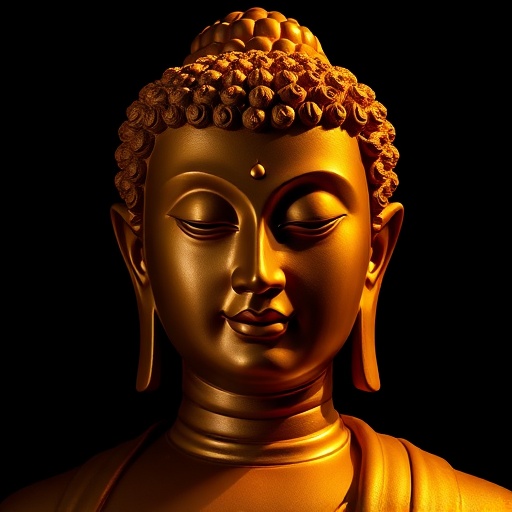
Siddhartha Gautama (Buddha) — "I never see what has been done; I only see what remains to be done."
I never see what has been done; I only see what remains to be done.
I never see what has been done; I only see what remains to be done.
Click any product to generate a realistic preview. Up to 3 at a time.
* Initial load can take up to 90 seconds — revising the preview in another color is nearly instant.
"To conquer oneself is a greater task than conquering others."
"A jug fills drop by drop."
"The gift of truth excels all other gifts."
"Should a seeker not find a friend, wiser or better than himself, let him rather walk alone; there is no fellowship with fools."
"It is in the nature of things that joy arises in a person free from remorse."
Found in 1 providers: gemini
1 source checked
This saying captures a mindset of perpetual forward motion. Rather than dwelling on past achievements or resting on completed work, the speaker keeps attention fixed on unfinished tasks and remaining goals. It expresses a refusal to be satisfied, a drive that measures life by what still needs doing rather than what has already been accomplished. The orientation is relentlessly future-facing, treating progress as ongoing rather than a destination.
This reflects the Buddha's spiritual urgency after his enlightenment. Rather than retiring into personal liberation, Siddhartha spent forty-five years walking northern India teaching the Dharma, convinced countless beings still suffered. His path demanded continuous practice; even arhats were told vigilance never ends. The quote mirrors his final reported words urging disciples to strive diligently, and his view that complacency with partial progress was itself an obstacle on the path to awakening.
In the 5th–6th century BCE, the Ganges plain was undergoing the Second Urbanization with competing shramana movements, Vedic priesthoods, and sixteen warring mahajanapadas. Ascetics wandered challenging Brahmanical ritualism, and teachers like Mahavira and the Ajivikas offered rival liberation paths. In this restless marketplace of ideas, a doctrine emphasizing continuous effort over inherited status or completed rites resonated strongly, fitting the era's questioning spirit and the Buddha's mission to spread teachings before his tradition could consolidate.
AI-generated insights based on extensive research and information for context. Factual errors? Email [email protected].
Your cart is empty