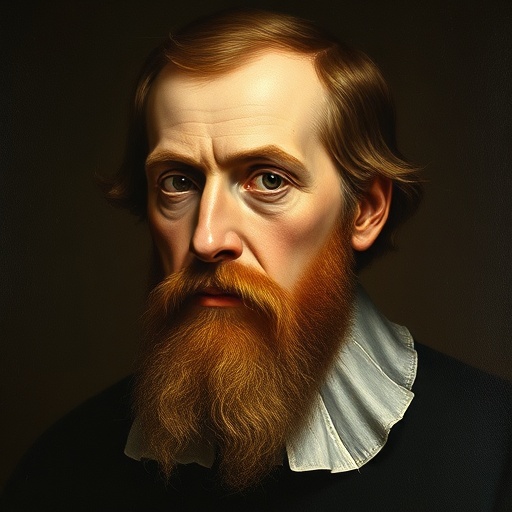
John Calvin — "Man's nature, so to speak, is a perpetual factory of idols."
Man's nature, so to speak, is a perpetual factory of idols.
Man's nature, so to speak, is a perpetual factory of idols.
Click any product to generate a realistic preview. Up to 3 at a time.
* Initial load can take up to 90 seconds — revising the preview in another color is nearly instant.
"The reprobate are not able to repent, because God does not give them the grace of repentance."
"The perdition of the wicked is a manifestation of God's justice."
"Faith is a firm and certain knowledge of God's benevolence toward us."
"For the will is so overwhelmed by wickedness and so pervaded by vice and corruption that it cannot in any way escape to honorable exertion or devote itself to righteousness."
"The eternal counsel of God is the cause of election and reprobation."
French theologian whose Institutes of the Christian Religion (1536) systematized Protestant Reformed doctrine, including predestination. Closely associated with Martin Luther (Reformation founder, Calvin's predecessor). For an intellectual contrast, see Jacobus Arminius, Dutch Reformed theologian (1560-1609) — Arminius's rejection of strict double-predestination founded Arminianism — the theological tradition modern Methodism, most evangelicalism, and Pentecostalism descend from. The Calvinist-Arminian debate has divided Protestantism for 400 years.
Another translation of the 'idol forge' quote from the Institutes.
Date: 1536
Nature & WorldFound in 2 providers: deepseek,grok
2 sources checked
Human beings are wired, at the deepest level, to constantly create substitutes for genuine devotion — wealth, status, pleasure, ideology, or literal objects. The word 'factory' captures how systematic and relentless this is: not occasional lapses but a continuous production line of false priorities. Calvin argues this isn't learned behavior but an inherent defect of human nature itself, endlessly generating things to worship in place of what truly deserves it.
Calvin's entire theology pivoted on total depravity — the conviction that sin corrupts every human faculty. He spent decades in Geneva dismantling what he called Catholic idolatry: stripping churches of images, relics, and saints' veneration. His Institutes of the Christian Religion built a systematic case for God's absolute sovereignty against human self-exaltation. Calvin saw himself fighting this factory directly — legislating against moral laxity, enforcing iconoclasm in worship, and rejecting any theology that credited human will with spiritual initiative.
The Protestant Reformation split Europe's religious unity in the 1500s, with Lutherans, Reformed churches, and Catholics in bitter conflict. Iconoclasm — the physical destruction of religious images — swept Protestant regions as reformers accused the Church of idolatry through saints, relics, and elaborate ritual. Calvin wrote during the Council of Trent's attempt to reassert Catholic authority, while religious wars loomed. The printing press had made theological debate public, forcing ordinary believers to confront questions about where true worship ended and idolatry began.
AI-generated insights based on extensive research and information for context. Factual errors? Email [email protected].
Your cart is empty