Benjamin Franklin — "He that is good for making excuses is seldom good for anything else."
He that is good for making excuses is seldom good for anything else.
He that is good for making excuses is seldom good for anything else.
Click any product to generate a realistic preview. Up to 3 at a time.
* Initial load can take up to 90 seconds — revising the preview in another color is nearly instant.
"One today is worth two tomorrows."
"When you incline to have new clothes, look first well over the old ones, and see if you cannot shift with them another year, either by scouring, mending, or even patching if necessary. Remember, a pat…"
"God heals, and the doctor takes the fees."
"Without freedom of thought there can be no such thing as wisdom; and no such thing as public liberty, without freedom of speech."
"If a man empties his purse into his head, no man can take it away from him. An investment in knowledge always pays the best interest."
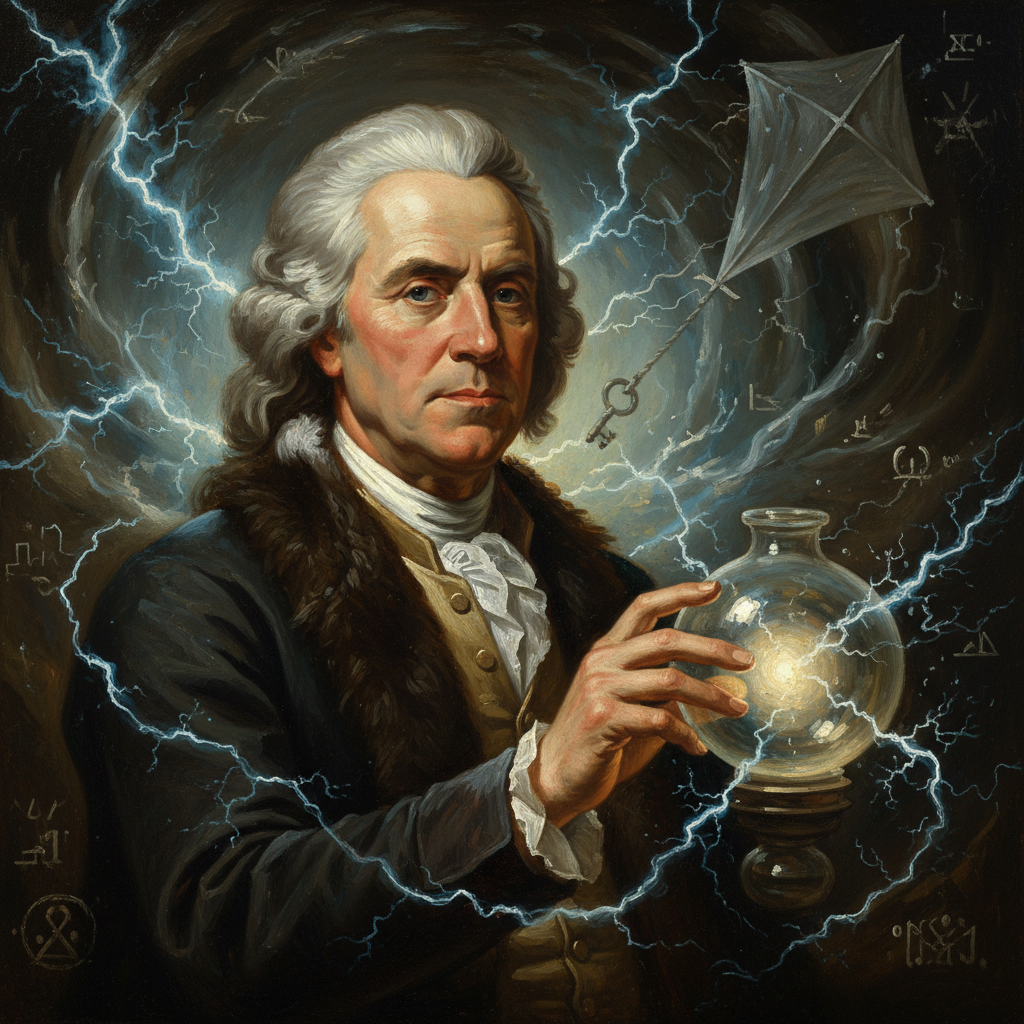
Polymath Founding Father, diplomat, and Poor Richard's Almanack author who helped draft the Declaration of Independence and the Constitution. Closely associated with John Adams (fellow Founder, Massachusetts statesman) and Thomas Jefferson (fellow Declaration drafter). For an intellectual contrast, see Thomas Hutchinson, last royal governor of colonial Massachusetts — Franklin leaked Hutchinson's loyalist correspondence to Boston in 1772 to inflame revolutionary sentiment — Hutchinson represented the colonial-aristocrat crown-loyalty that Franklin's revolution was organized to dismantle.
Found in 1 providers: deepseek
1 source checked
People who habitually justify failure or inaction rarely accomplish anything meaningful. Excuses become a substitute for effort — a mental escape hatch that blocks genuine work. Someone skilled at rationalization spends their energy explaining why things cannot be done rather than doing them. The saying ties character directly to productivity: a person's usefulness can be judged by whether they reach first for a solution or a justification when obstacles appear.
Franklin rose from a Boston candlemaker's ninth son to printer, scientist, inventor, and diplomat through relentless self-discipline. He retired his printing business at 42, then pursued electricity, civic projects, and statecraft with equal drive. His Poor Richard's Almanack is packed with accountability maxims, and he kept a private journal tracking thirteen personal virtues. A man who built everything through action, Franklin was constitutionally impatient with the self-deception he skewered here.
Colonial America offered no institutional safety nets — a tradesman or farmer who made excuses simply went hungry or went broke. The Protestant work ethic, inherited from Puritan New England, framed idleness and self-justification as moral failures, not personality quirks. Simultaneously, Enlightenment thinking emphasized rational agency: individuals were believed to control outcomes through effort and reason. Excuses were therefore both a practical liability and a philosophical embarrassment in Franklin's world.
AI-generated insights based on extensive research and information for context. Factual errors? Email [email protected].
Your cart is empty