What it means
When someone treats you badly out of ignorance or malice, respond with kindness and compassion rather than retaliation. The worse their behavior, the more goodness you should extend toward them. This flips the instinct to match harm with harm; instead, you meet cruelty with steady, unconditional care, refusing to let another person's actions dictate your character or pull you into the same cycle of harm.
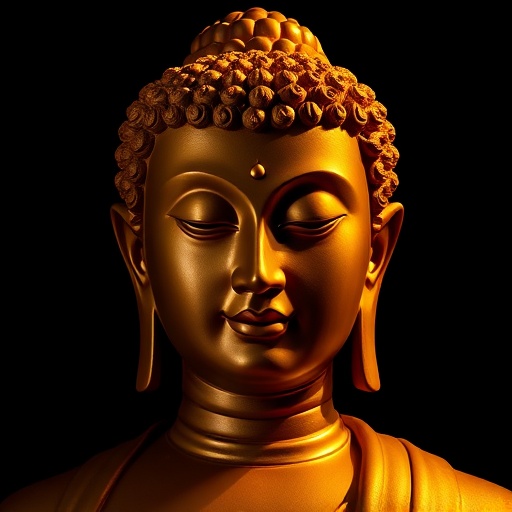
Relevance to Siddhartha Gautama (Buddha)
This reflects the Buddha's central teaching of metta, or loving-kindness, one of the four sublime states he urged disciples to cultivate. After renouncing his princely life to seek liberation from suffering, he built a path grounded in non-harm and compassion toward all beings. He famously tamed the murderous bandit Angulimala through patience rather than force, and instructed monks to radiate goodwill even toward those who attacked them.
The era
In the 5th-6th century BCE Ganges plain, rival ascetic schools, Brahmin priests, and kings competed violently for spiritual authority and territory. Rigid caste hierarchies enforced social revenge and ritual retaliation, and warrior codes prized honor through retribution. The Buddha's insistence on nonviolent response was radical in a culture steeped in animal sacrifice, blood feuds, and caste-based punishment, offering householders and outcasts alike a path out of these escalating cycles.
AI-generated insights based on extensive research and information for context. Factual errors? Email [email protected].